



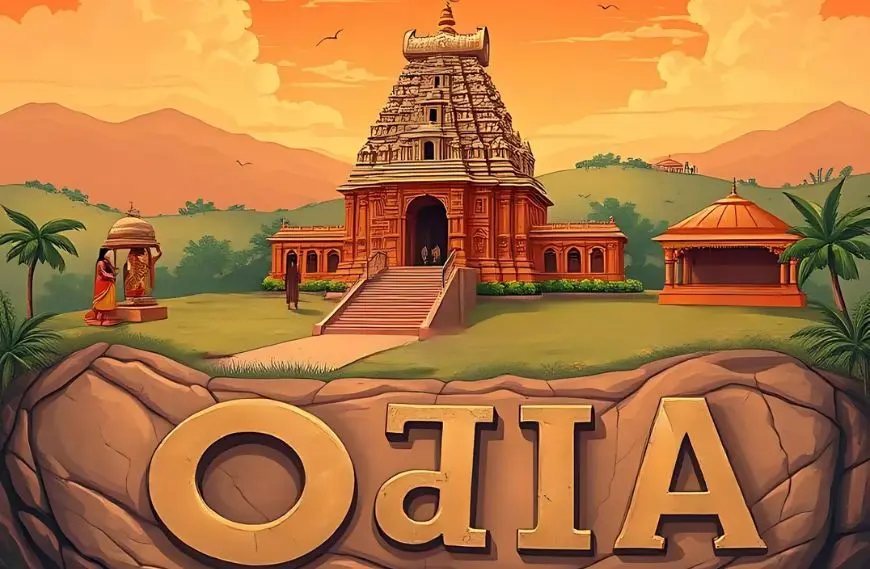
Odia, the official language of Odisha, holds deep historical and cultural significance. With over 35 million native speakers, Odia is one of India’s oldest and most linguistically rich languages, boasting a heritage that spans more than 2,500 years. Recognised as a Classical Language of India, Odia’s literary tradition intertwines ancient scripts, poetry, and folklore, marking it as a cornerstone of India’s diverse linguistic heritage.
Origins and Historical Context
Belonging to the Indo-Aryan language family, Odia evolved from Prakrit and Sanskrit. The earliest known Odia inscriptions date back to the 10th century CE, and by the 14th century, the language had developed a distinct literary tradition. Unlike many Indian languages that experienced significant external influences, Odia retained much of its original structure, maintaining a strong connection with Sanskrit.
During the medieval period, poets like Sarala Das, who authored the Odia Mahabharata, played a crucial role in shaping the language’s literary identity. The Bhakti movement further enriched Odia literature, with saint-poets like Jagannath Dasa bringing devotional themes into mainstream writing. The language continued to evolve through the colonial period, facing challenges but also gaining formal recognition.
Script and Linguistic Structure
Odia is written in the Odia script, a descendant of the Brahmi script. The script is unique due to its rounded letters, influenced by the traditional palm-leaf writing method. Grammatically, Odia follows a Subject-Object-Verb (SOV) structure, similar to other Indo-Aryan languages. It has a rich set of phonetic sounds, preserving many classical Sanskrit phonemes while incorporating unique local variations.
Literature and Cultural Influence
Odia literature is a rich collection of poetry, folklore, and classical texts. The 19th and 20th centuries marked a golden era for modern Odia literature. Writers like Fakir Mohan Senapati, considered the father of modern Odia fiction, introduced realism in storytelling, while poets such as Sachi Routray and Sitakant Mahapatra explored contemporary themes.
Beyond literature, Odia has influenced performing arts, especially through Odissi music and dance, which use the language to narrate mythological and historical stories. The iconic Jagannath Rath Yatra in Puri further exemplifies Odia’s deep connection to religious and cultural traditions.
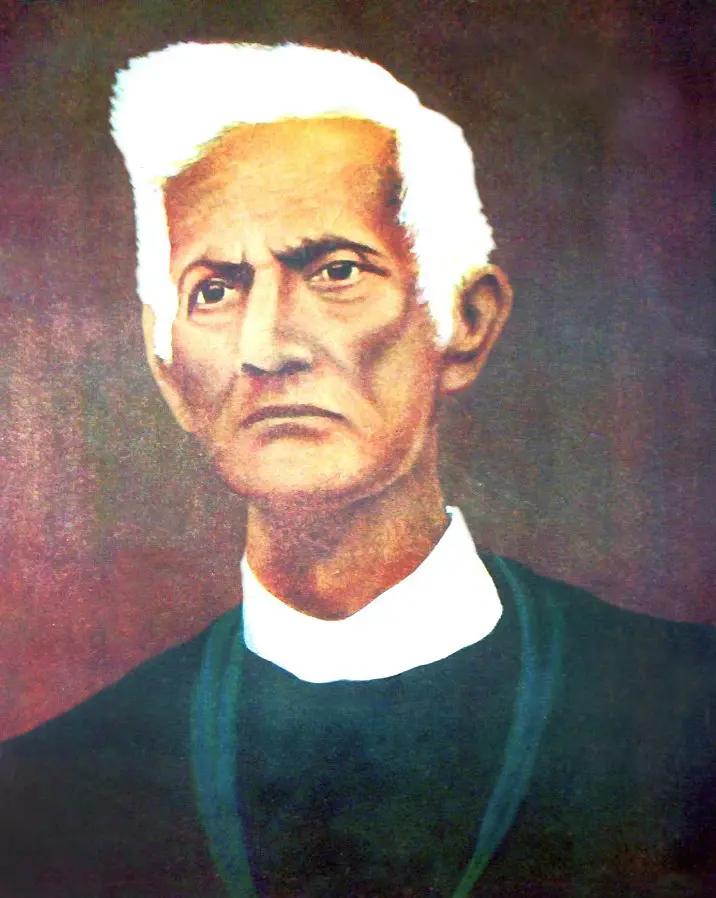
Father of Odia Nationalism and Modern Odia Literature
Modern Relevance and Challenges
Despite its classical status, Odia faces challenges in the digital era. While it thrives in literature and traditional media, the language struggles with digital representation and global reach. Efforts are underway to integrate Odia into online platforms, ensuring that future generations remain connected to their linguistic heritage.
Odia stands as a testament to India’s rich linguistic and cultural diversity. From ancient scriptures to modern literature, the language has maintained its identity while adapting to contemporary changes. As Odisha continues to grow as a cultural and economic hub, preserving and promoting Odia remains crucial for maintaining its historical legacy.
