



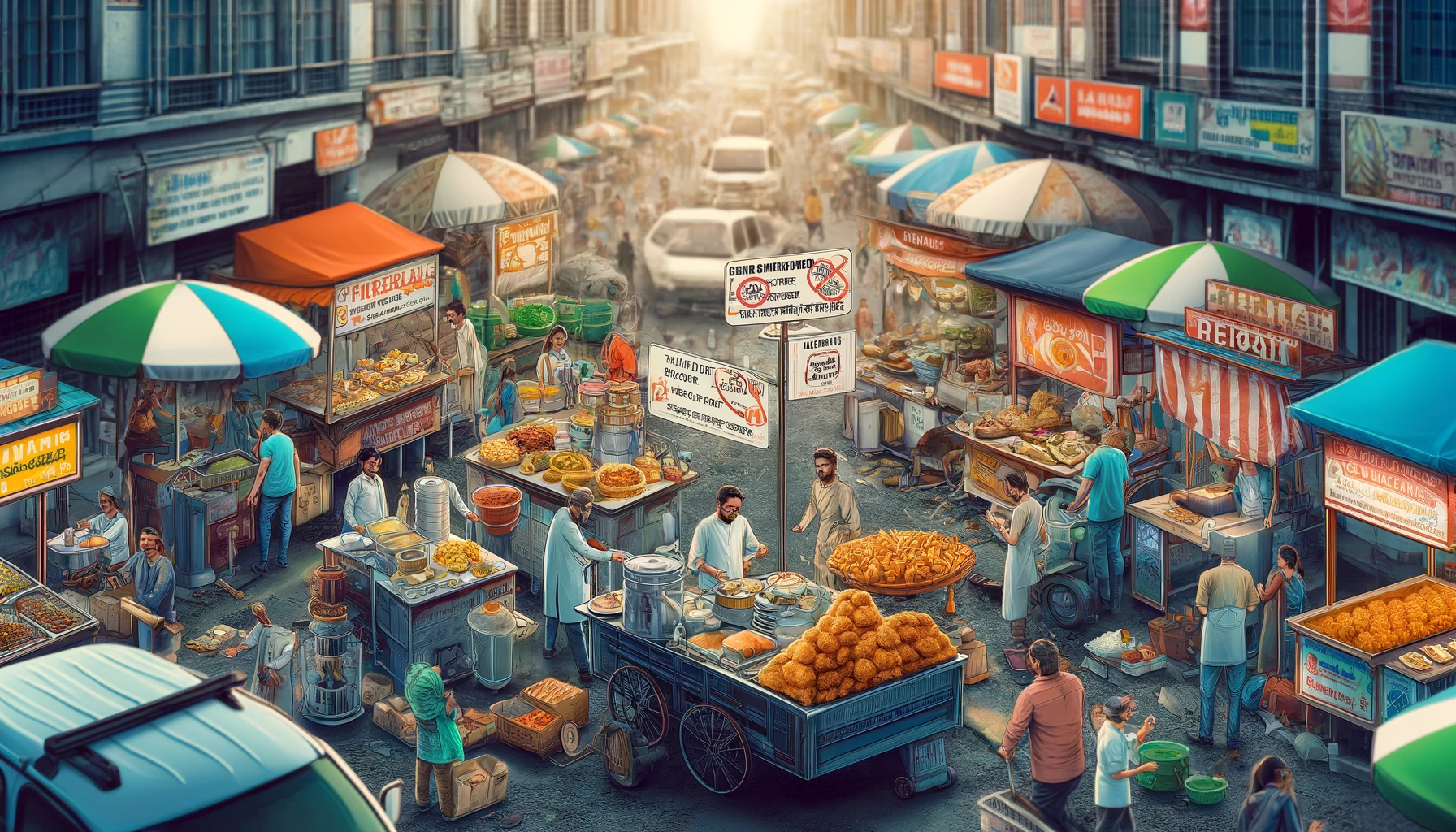
Unhygienic Practices Exposed—Is Your Street Food Safe to Eat?
The recent food poisoning outbreak linked to a momo factory in Punjab has sent shockwaves across the nation, raising urgent questions about food safety in India. Authorities shut down the facility after uncovering appalling hygiene violations and contaminated food products. Dozens fell ill after consuming the momos, exposing glaring gaps in food quality checks and enforcement. This incident is not just a one-off—it’s a symptom of a much larger problem plaguing India’s food industry.
A Growing Crisis: The State of Food Safety in India
This Punjab incident is just the tip of the iceberg. Across the country, countless street vendors and small eateries operate with little to no oversight. While India’s vibrant street food culture is celebrated, the lack of transparency around hygiene standards is alarming. From reused cooking oil to questionable ingredients, consumers are often left in the dark about what they’re really eating. Popular snacks like vada pav and samosas are frequently fried in oil that’s used repeatedly, posing serious health risks over time.
Government Policies: Are They Enough?
The Food Safety and Standards Authority of India (FSSAI) is tasked with ensuring food safety, but enforcement is patchy at best. In unregulated markets, violations often go unchecked. Experts argue that without regular inspections, harsher penalties, and better consumer awareness, such incidents will continue to recur. The government must step up its efforts to crack down on unhygienic practices and prioritise public health.
The Fast Food Invasion: A Threat to Indian Culinary Heritage
The rise of fast food like momos and Chinese bhel sold by street vendors is another worrying trend. Traditional Indian cuisine, rooted in Ayurveda and Sanatan Dharma, has always emphasised balance and nutrition. Our ancestors championed Satvik food for its physical and mental benefits. Instead of blindly adopting Western fast food trends, we should celebrate and promote India’s rich culinary heritage. Encouraging vendors to serve local, wholesome foods could be a step towards preserving our traditions and improving public health.
What Can Consumers Do?
While systemic change is essential, consumers also have a role to play. Here are a few simple steps to stay safe:
- Look for Cleanliness: Choose stalls that visibly maintain hygiene.
- Avoid Risky Practices: Steer clear of vendors reusing oil or handling food carelessly.
- Speak Up: Report unhygienic practices to local authorities.
Until stricter policies are enforced, personal vigilance is your best defence against unsafe food.
Building a Healthier India: Back to Our Roots
To create a stronger, healthier nation, we must reconnect with our culinary roots. Educating the younger generation about the benefits of Satvik and homemade food is crucial. By prioritising traditional, nutritious meals over processed street food, we can reduce health risks and foster a culture of mindful eating. Let’s take pride in our heritage and make choices that nourish both body and soul.
The Way Forward
The Punjab momo factory scandal is a stark reminder of the urgent need for better food safety standards. It’s time for the government, vendors, and consumers to work together to ensure that the food we eat is safe, healthy, and reflective of our rich traditions. A shift towards cleaner practices and traditional foods isn’t just a choice – it’s a necessity for a healthier, self-sufficient India.
Your health is in your hands. Choose wisely.
