



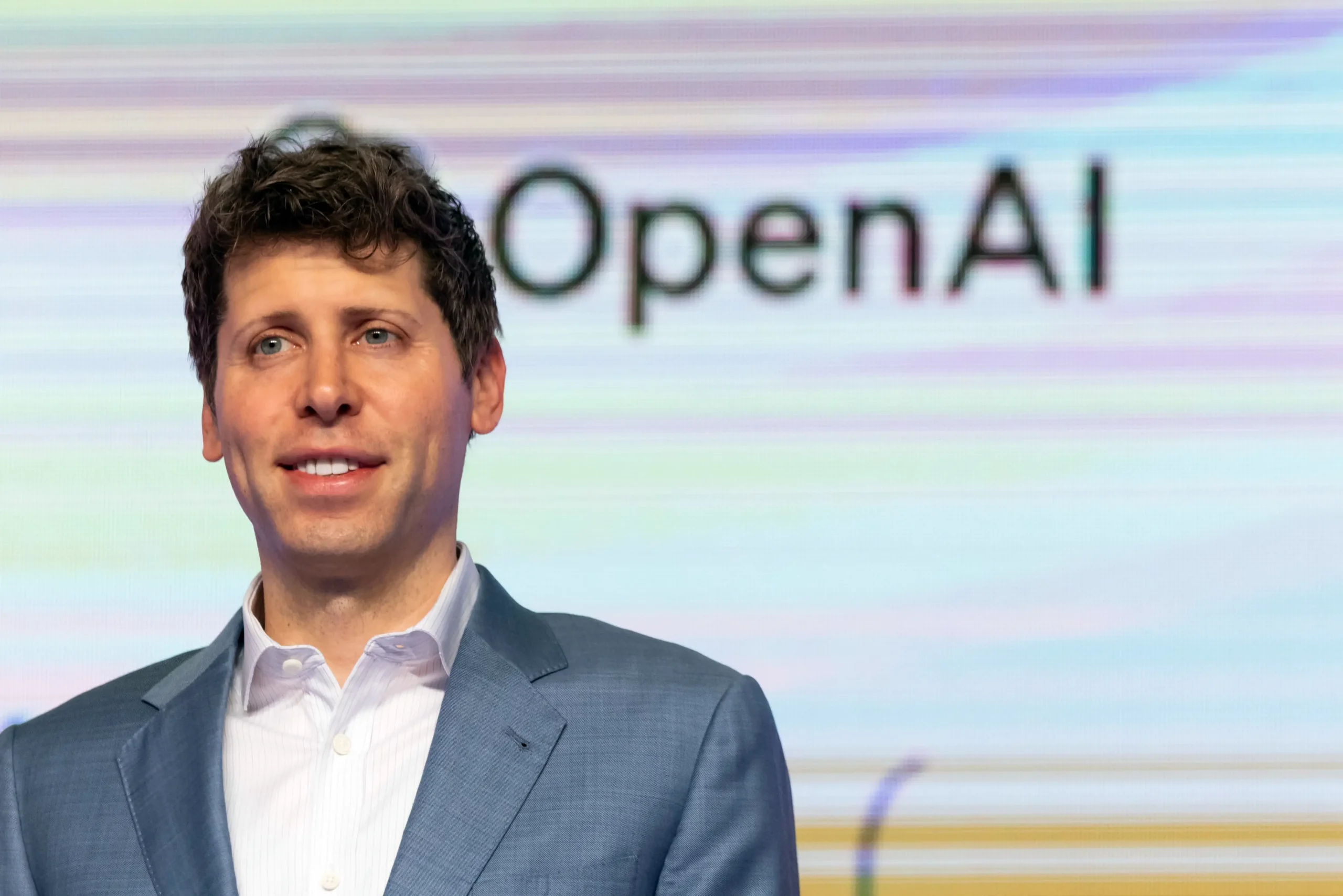
Artificial Intelligence (AI) is rapidly transforming the software development landscape, with OpenAI CEO Sam Altman revealing that AI is now handling over 50% of coding tasks in companies. Speaking at a recent event, Altman urged students and professionals to adapt to this shift and focus on mastering AI tools to stay relevant in the industry.
Altman emphasized that AI-powered coding tools, such as OpenAI’s ChatGPT and GitHub Copilot, are automating significant portions of programming work. “AI is already doing more than half of the coding in many companies,” he said. “This number will only increase in the future.” He advised students to rethink their career paths and ensure they are learning AI-driven coding methods rather than solely relying on traditional programming skills.
His statements come at a time when AI’s role in software engineering is expanding rapidly. Other tech leaders, including Anthropic CEO Dario Amodei, predict that AI could generate up to 90% of code in the next six months. OpenAI’s Chief Product Officer Kevin Weil also expects AI-driven coding to surpass human capabilities by the end of the year.
The increasing reliance on AI for coding raises concerns about job security for software developers. However, Altman reassured that AI would not entirely replace programmers but would change their roles. He believes developers should focus on problem-solving, system design, and AI integration rather than just writing code.
He also stressed the importance of adaptability, resilience, and continuous learning in the AI era. “The key is to work alongside AI, not compete with it,” he said. He encouraged professionals to develop skills that complement AI, such as critical thinking and creativity, to remain competitive in the job market.
As AI continues to evolve, the tech industry is witnessing a major transformation. While some fear job displacement, experts suggest that those who embrace AI-driven workflows and enhance their skill sets will have a significant advantage in the future.
Altman’s message serves as a wake-up call for aspiring and experienced developers alike. The shift towards AI-assisted programming is inevitable, and those who proactively adapt will be better positioned for success in an increasingly automated world.
