




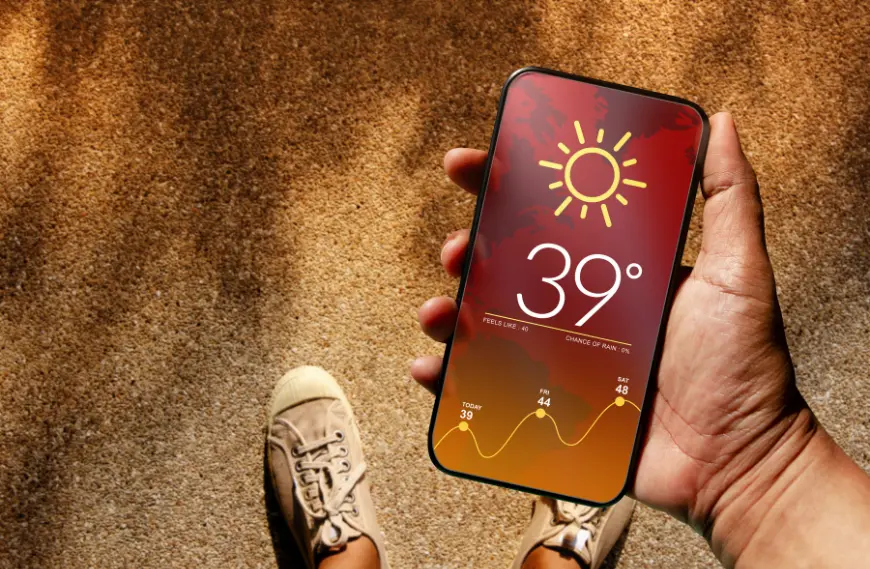
India is set to experience an unusually hot summer from April to June. The India Meteorological Department (IMD) has predicted a rise in both temperatures and heatwave days. Several states will face extreme conditions, with central, eastern, and northwestern regions being the most affected.
According to IMD, heatwave days may double in many states compared to previous years. Rajasthan, Gujarat, Maharashtra, Madhya Pradesh, and Uttar Pradesh will see prolonged periods of high temperatures. Delhi is also expected to witness extreme heat, with temperatures possibly touching 38°C in the coming weeks.
What IMD forecasts
IMD reports that temperatures in most parts of the country will be above normal. Southern and northeastern regions will also experience hotter-than-usual days, though heatwaves will be less intense there.
The department has warned that rising temperatures may lead to health hazards, increased electricity consumption, and possible water shortages. Officials have urged people to take necessary precautions to avoid heat-related illnesses.
Why this year’s heatwave is a concern
Experts believe climate change is playing a role in rising temperatures. The number of heatwave days has increased in recent years due to global warming. Urbanisation and deforestation have also worsened the situation, making cities hotter.
IMD’s predictions align with global weather patterns indicating an overall rise in temperatures. El Niño conditions have also contributed to warming trends, leading to prolonged heatwaves.
Delhi, Mumbai, and other cities to witness rising mercury
Delhi will see temperatures nearing 38°C by mid-April. Mumbai, which generally experiences moderate summers, may also record higher-than-usual temperatures. Other metro cities like Bengaluru, Kolkata, and Chennai will see above-average temperatures as well.
In central and western India, dry conditions will make heatwaves more severe. Cities in Rajasthan, Gujarat, and Maharashtra may record temperatures exceeding 42-45°C at peak summer. Authorities are closely monitoring the situation and may issue further advisories.
Precautionary measures advised
Health experts recommend people avoid going outdoors during peak hours. Staying hydrated, wearing light clothing, and using cooling methods can help prevent heatstroke. The government is also preparing for possible power surges due to increased use of air conditioning.
IMD will continue to monitor temperature trends and issue warnings when necessary. Authorities advise people to follow heat advisories and take necessary precautions.
