




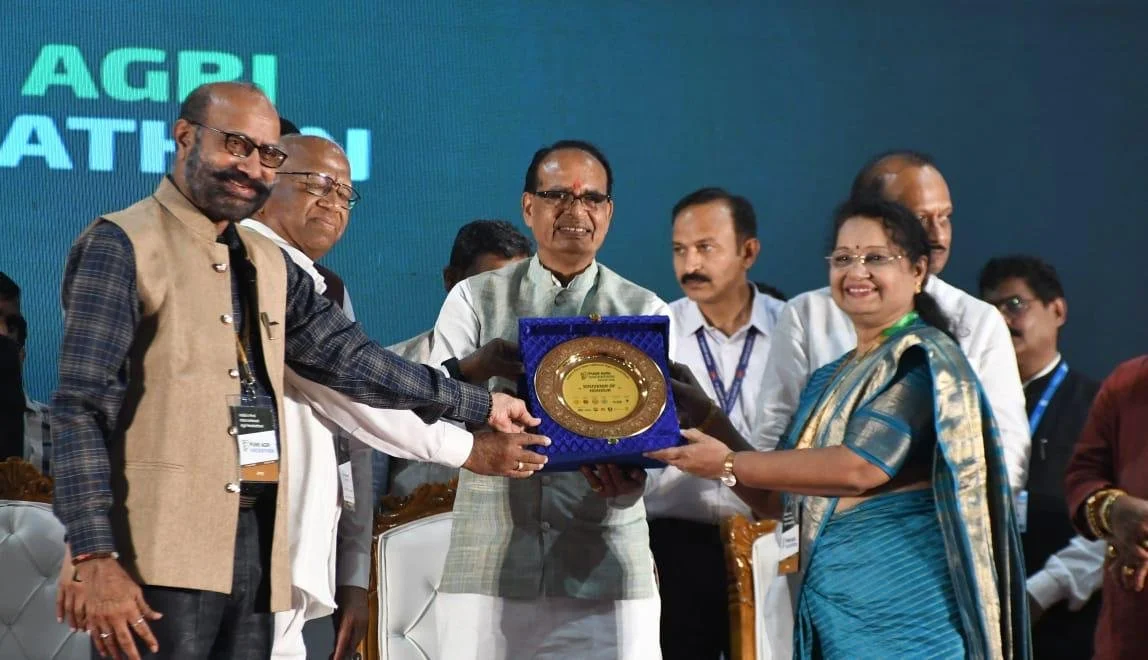
India’s farming scene just got a bold new upgrade. A massive agri hackathon and the launch of the Clean Plant Programme signal a tech-savvy, disease-free future for horticulture. Hosted in Pune, this event drew innovators, scientists, and farmers into one green mission: grow better, smarter, and cleaner.
Hackathon Sparks a Farming Revolution
In early June, Pune became the innovation capital for agriculture. Young minds pitched tools, sensors, and startup ideas to solve rural challenges. From crop monitoring drones to AI-driven pest alerts, the field saw action—and ideas worth planting.
The hackathon wasn’t just a contest. It was a platform to launch the Clean Plant Programme under the PM’s Agriculture Modernisation Plan. The aim? Eradicate plant-borne diseases by ensuring only certified, healthy saplings reach the soil.
Clean Plant Programme: What’s It About?
Sick plants lead to sick profits. India’s horticulture suffers huge losses from viruses and pests spread through infected saplings. The Clean Plant plan fixes this at the root. Nine large-scale nurseries will be established across India. Three of them—in Pune, Nagpur, and Solapur—will serve Maharashtra’s grape, orange, and pomegranate growers. These certified hubs will supply up to 80 million disease-free plants per year. The goal: reduce infection rates, raise crop yields, and boost exports.
Farmers Meet Scientists in the Fields
A groundbreaking “Lab to Land” mission was also announced. It deploys over 16,000 agri-scientists to directly support farmers. These experts will assist with seed choices, soil management, and climate-resilient practices.
This is a game-changer. Farmers often lack real-time help. With scientists on the ground, knowledge will flow where it’s needed most—into the hands of those who grow our food.
Youth in Agriculture: Not Just a Buzzword
The hackathon highlighted something exciting: youth are returning to the soil. With the right support, rural startups are ready to thrive. India’s massive agri economy offers space for app developers, IoT engineers, and green-tech entrepreneurs.
This shift could transform villages into innovation zones. It also sends a clear message—farming is no longer a fallback career; it’s a future-forward industry.
Maharashtra Takes the Lead
With its strong base in fruits and pulses, Maharashtra is leading this agri-upgrade. The new nurseries will reinforce its status as India’s horticulture hub. Better plants mean better produce—and better prices for farmers.
If the Clean Plant model works here, it could expand nationwide. And that could help India realise its dream of becoming the global food hub of the future.
Challenges Remain, But Hope Is Growing
Of course, no scheme is perfect. Ensuring quality control, reaching remote villages, and training nursery workers remain hurdles. But with strong coordination between tech teams, governments, and local communities, these challenges can be met.
This isn’t just about saplings. It’s about seeding trust, science, and success into India’s agricultural landscape.
