



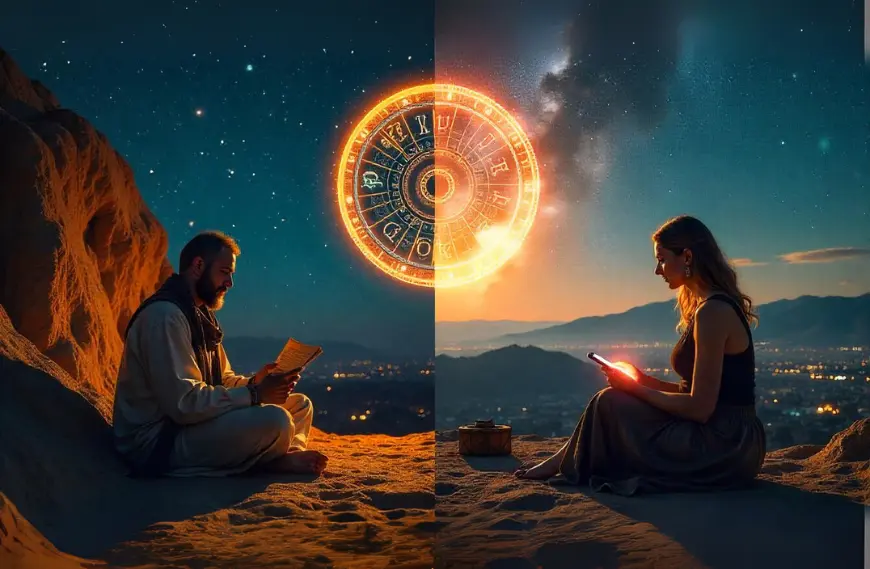
Ancient Origins to Modern Apps: How Astrology Captivates Across Cultures
Astrology’s roots stretch to ancient Babylon, 2000 BCE. Priests charted stars, linking them to fate. A 2023 History of Science study traced its spread. From Greece to China, zodiacs took hold. Each culture wove unique systems, yet patterns emerged. Sun signs, like Leo or Virgo, claim to shape traits. Today, 30% of people read horoscopes, per a 2024 Pew survey. This global allure captivates, binding humanity to skies.
Science, Psychology, and Skepticism: Does the Zodiac Truly Define Us?
Psychology tests astrology’s bold promises rigorously. A 2023 Journal of Personality study found weak links. Birth dates don’t predict traits like extraversion reliably. Yet, the Barnum effect explains its pull. Vague descriptions, like “you’re intuitive,” feel personal. People embrace zodiac identities, from Tokyo’s Libra fans to Rome’s Scorpios. This human quirk fascinates, showing belief’s power. Astrology thrives on our need for meaning.
Neuroscience offers clues to astrology’s appeal. A 2022 Nature Neuroscience study tied pattern-seeking to brains. Humans see order in chaos, like stars forming signs. This instinct drove ancient sky-watchers. Today, it fuels apps like Co-Star, used globally. AI, advanced by 2025, crafts precise natal charts. Imagine algorithms predicting your mood via Venus. This tech blends science with cosmic allure. It excites, merging data with destiny.
Culturally, astrology shapes global traditions vividly. Vedic charts guide marriages in South Asia. Chinese zodiacs mark lunar festivals joyfully. A 2023 Cultural Anthropology study noted its rituals. Horoscopes inspire art, from poems to films. By 2070, AI might tailor zodiac advice universally. Imagine a global festival of star signs. This cultural thread weaves humanity’s cosmic dreams. It resonates across every starry night.
Sceptics challenge astrology’s scientific flaws. A 2024 Skeptical Inquirer study debunked predictions. Planetary alignments don’t influence behaviour measurably. Yet, believers counter with personal tales. A Gemini’s wit or Taurus’ calm feels true. This tension drives global debates. From cafés in Paris to markets in Cairo, opinions clash. Astrology’s charm lies in its mystery. It invites wonder, not just proof.
Emotions, Identity, and the Digital Future of Star Signs
Emotionally, astrology offers solace and identity. A 2022 Psychology Today study linked it to self-discovery. Reading “you’re resilient” lifts spirits in tough times. Zodiac communities, online by 2025, bond millions. From heartbreak to hope, stars guide. This universal need touches hearts worldwide. Imagine a stranger’s horoscope sparking a smile. Astrology becomes a global emotional anchor.
The future envisions astrology’s digital evolution. By 2100, neural tech could link minds to stars. A 2025 Nature Communications study foresaw brain-star interfaces. Imagine feeling Mars’ fiery drive in your thoughts. Global zodiac apps might unite cultures. This vision blends science with ancient lore. It invites dreamers to gaze upward always.
Philosophically, astrology questions free will’s bounds. Are we shaped by stars or choices? A 2023 Philosophy Today study probed this. Cultures, from Stoics to Sufis, ponder cosmic roles. Astrology’s appeal lies in this eternal query. It urges humanity to seek meaning beyond. This universal musing captivates curious souls. Stars become mirrors of our deepest selves.
Astrology weaves celestial tales into human lives. Its science may falter, yet its magic endures. From ancient skies to digital screens, it guides. By 2100, stars might speak clearer truths. Pause and read your sign tonight. Its whisper echoes humanity’s cosmic quest.
Also Read: Unlocking the Mind: What Alchemy Teaches About Inner Transformation
