




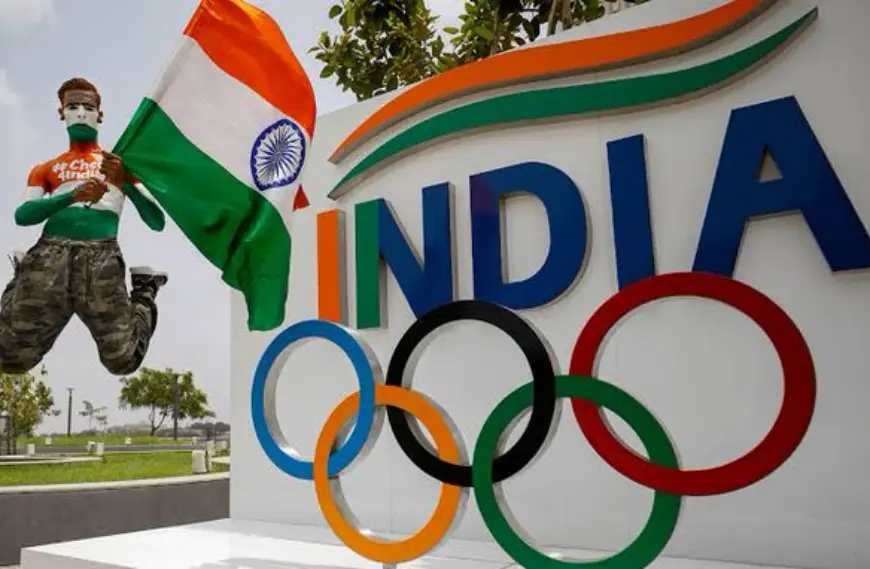
India stands at the cusp of a sporting revolution. The nation’s audacious bid to host the 2036 Olympic Games, spearheaded by Prime Minister Narendra Modi and backed by the National Sports Policy (NSP) 2025, is more than a dream—it’s a clarion call for transformation. Announced on 1 July 2025, the NSP aims to catapult India into the top five global sporting nations by 2047, with Ahmedabad’s Sardar Vallabhbhai Patel Stadium as the proposed heart of the 2036 Games. Yet, a recent pause in the International Olympic Committee’s (IOC) host selection process, led by new president Kirsty Coventry, has cast a shadow of uncertainty. This is a story of ambition, resilience, and the power of sport to unite a nation.
A Historic Ambition
India’s Olympic journey began humbly. In 1928, the men’s hockey team won gold in Amsterdam, marking the nation’s first Olympic triumph. Decades later, athletes like Neeraj Chopra and PV Sindhu have rekindled that fire, securing seven medals at Paris 2024. The 2036 bid, formally launched with a Letter of Intent in October 2023, builds on this legacy. PM Modi’s vision, articulated at the IOC’s 2023 Mumbai session, sees the Olympics as a catalyst for national pride and global stature.
Delhi Chief Minister Rekha Gupta, at the Olympic Day Run on 23 June 2025, declared, “Delhi and India are fully prepared to host the 2036 Olympics”. Ahmedabad, with its world-class stadium, is the frontrunner, though Delhi and Bhubaneswar are also contenders. The NSP 2025, or Khelo Bharat Niti, is the backbone of this bid, aiming to overhaul sports governance, boost infrastructure, and nurture talent.
The National Sports Policy 2025
Approved on 1 July 2025, the NSP 2025 replaces the 2001 framework. It’s a strategic roadmap. Key pillars include grassroots development, technology integration, and global competitiveness. The policy expands Khelo India, a programme that has identified 3,000 young athletes since 2018. It plans 1,000 new sports centres by 2030, focusing on tier-2 and tier-3 cities. AI-driven analytics, inspired by Wimbledon’s 2025 tech upgrades, will enhance coaching.
The policy promotes inclusivity. It supports women’s sports and para-athletes, inspired by India’s Paralympic success in 2024. Financial aid, including scholarships and corporate sponsorships, aims to ease athletes’ burdens. Union Minister Ashwini Vaishnaw noted consultations with 40 companies keen to adopt Olympic sports. The policy also links sports to tourism, envisioning India as a global sports hub.
Challenges on the Horizon
The IOC’s pause, announced on 26 June 2025, is a setback. Kirsty Coventry’s review of the host selection process, aiming for transparency and Global South inclusion, delays India’s bid. Competitors like Qatar, Indonesia, and Turkey are in the race, with the IOC noting “double-digit” interest. A decision, expected by 2026, may now stretch further.
Infrastructure remains a hurdle. While Gujarat boasts modern facilities, rural areas lack training centres. Funding inconsistencies and bureaucratic delays have plagued past policies (X post: @IndiaSportsCritic). Public sentiment on X is mixed. Users like @SportsIndiaFan cheer the bid, saying, “India’s time has come!” Others, like @Realist2025, argue, “Fix grassroots first, then dream big.”
Economic concerns loom. Hosting the Olympics could cost ₹1 lakh crore, straining budgets. Yet, the government sees long-term gains: tourism, jobs, and global branding. The 2030 Commonwealth Games, also targeted by India, could serve as a trial run.
A Cultural and Economic Catalyst
The Olympics could transform India. Economically, it promises a tourism boom. The 2010 Commonwealth Games in Delhi generated ₹20,000 crore in revenue. A 2036 Olympics could dwarf that, creating 50,000 jobs and boosting sectors like hospitality. Culturally, it would unite India’s diverse communities. The Olympic Day Run, with thousands participating, showed public enthusiasm.
The bid also reflects India’s global rise. Modi’s leadership, coupled with IOA president PT Usha’s advocacy, positions India as a serious contender. Nita Ambani’s role as an IOC member adds diplomatic weight. The Games could showcase India’s heritage, from yoga to classical dance, on a global stage.
Lessons from the Past
India’s hosting history offers lessons. The 1982 Asian Games and 2010 Commonwealth Games faced corruption allegations and delays. The NSP 2025 addresses this with a robust governance framework. Public-private partnerships will fund infrastructure, reducing taxpayer burden. Transparency is key to winning public trust, as X user @SportyIndian notes: “No more scams, please. Make 2036 a pride moment.”
Globally, Olympic hosts like Tokyo 2020 faced cost overruns. India must balance ambition with fiscal prudence. The IOC’s pause offers time to refine the bid, ensuring sustainability and inclusivity.
A Vision for India’s Youth
The bid is about more than medals. It’s about inspiring India’s 600 million youth. Khelo India has already transformed lives, like that of wrestler Aman Sehrawat, a Paris 2024 bronze medallist. The policy’s focus on schools and rural talent could unearth more stars. As PT Usha said, “Every child should dream of an Olympic podium”.
The Olympics could also address social issues. Sports can channel youth energy, reducing unemployment and unrest. The policy’s inclusivity ensures tribal and marginalised communities benefit, aligning with Modi’s vision of “Sabka Saath, Sabka Vikas” (Business Standard).
Looking Ahead
India’s 2036 bid is a bold statement. Despite the IOC’s pause, the nation’s resolve is unwavering. The NSP 2025 lays a strong foundation, blending tradition with innovation. Ahmedabad’s stadium, with its 1.32 lakh capacity, stands ready. The journey is long, but as X user @OlympicDreamer puts it, “India’s ready to shine in 2036.” For Deshwale readers, this is a story of hope, ambition, and a nation daring to dream big.
