



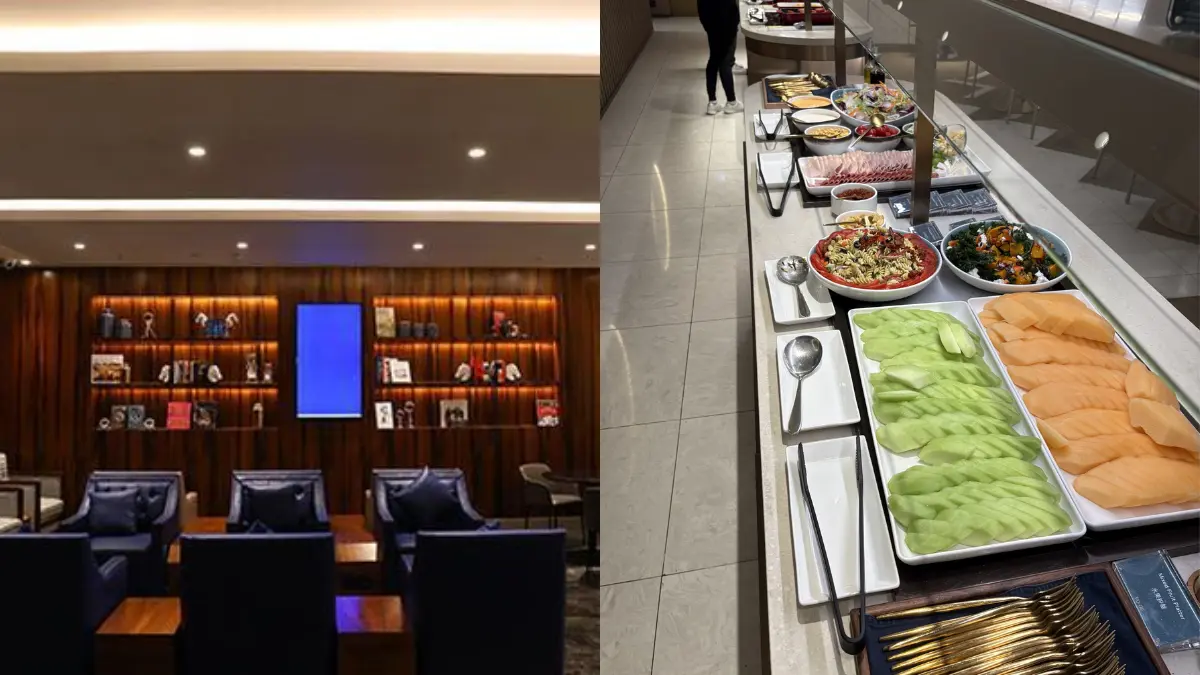
- Complimentary lounge access stems from bulk-purchase agreements with lounge networks.
- Banks offset costs via annual fees, interest income and interchange fees.
- Visit limits often tie to quarterly spends or annual membership charges.
- Aggregators such as Priority Pass and Dreamfolks ensure global lounge coverage.
- Digital validations and API integrations deliver seamless access for cardholders.
Free airport lounges signal refined comfort and calm for weary travellers. These exclusive spaces shelter guests from terminal crowds and chaotic queues. Banks and finance firms recognised this demand early. They crafted credit card programmes to reward loyal customers. Such offerings elevate travel experiences into memorable journeys.
Airlines once reserved lounges solely for first-class and business-class passengers. Their opulent clubrooms defined premium travel in the twentieth century. Credit card issuers observed this model’s allure. They negotiated with lounge operators to secure wholesale access rates. This approach democratised lounge privileges for a wider audience.
Card networks like Visa and Mastercard bulk-purchase lounge passes at discounted rates. They then license these passes to issuing banks and fintech firms. Aggregators such as Priority Pass and Dreamfolks stitch together global lounge portfolios. This layered partnership model underpins most modern lounge access schemes.
Issuers structure complimentary visits through clear-cut spending thresholds or annual fees. Entry counts often reset quarterly or annually to manage usage economically. No-fee cards may grant two to four free visits per year. Premium cards priced at over ten thousand rupees often unlock unlimited entries.
Banks recoup lounge access costs by embedding charges in annual fees. They also rely on interest earnings from revolving credit balances. Interchange fees paid by merchants further subsidise loyalty perks. This revenue mix ensures the programme remains financially sustainable long term.
Data analytics play a decisive role in refining lounge offerings. Banks track usage patterns meticulously to optimise cost structures. High-frequency visitors might trigger fee adjustments in subsequent card renewal cycles. This responsive strategy maintains profitability while retaining valuable patrons.
API integrations between bank platforms and lounge aggregators enable swift validations. Digital passes replace cumbersome paper vouchers, ensuring frictionless airport entry. Real-time approvals on mobile apps now allow travellers to breeze past reception desks. Technology thus enhances both convenience and security.
Regulators have mandated clear disclosures of card benefits and associated fees. Banks now present lounge access terms prominently in marketing materials. Such transparency prevents customer grievances and fosters trust. Clarity also empowers consumers to select cards matching their travel habits.
Peak-season crowding in popular lounges prompted spend-based unlock conditions. These criteria ensure fair access and discourage misuse. Guest policies too receive periodic updates to balance exclusivity with inclusivity. Evolving guidelines keep lounge environments comfortable and manageable for all guests.
Indian travellers prize these lounge privileges for domestic and international journeys alike. Extended layovers and flight delays often sap energy unjustly. Access to quiet zones, complimentary refreshments and business facilities restores both calm and productivity. This value proposition resonates deeply with frequent flyers.
Beyond lounge entry, many cards bundle travel insurance and concierge services. Such comprehensive packages elevate overall travel safety and convenience. From flight bookings to hotel reservations, the concierge assists with myriad tasks. This integrated service model justifies premium annual fees convincingly.
Loyalty programmes and airline tie-ups further enrich these credit card offerings. Reward points accrued on everyday spends may offset annual costs. Redemption options include flight upgrades, shopping vouchers and future lounge passes. Strategic partnerships thus amplify perceived card value.
Customer surveys reveal that complimentary lounge access remains a top-ranked perk. Travellers often choose one card over another based on this feature alone. Banks pore over feedback to refine benefits, tweaking visit quotas or partner lists accordingly. Such agility sustains competitive advantage.
As Mahatma Gandhi observed, “The future depends on what we do today.” This maxim holds true for banks pioneering travel-centric credit cards. Proactive innovation today shapes tomorrow’s differentiated offerings, ensuring cards stay relevant in shifting markets.
Emerging trends point to virtual lounge experiences and digital concierge bots. Virtual reality previews of lounge ambiences may soon feature on banking apps. Such cutting-edge services will appeal to tech-savvy premium customers seeking immersive prospects.
Collaborations between banks and coworking space operators are also on the rise. Dedicated workstations at airports mirror co-working environments, blending comfort with business functionality. These hybrid hubs cater especially to road warriors and remote professionals.
Reciprocal agreements among global lounge networks extend travellers’ access horizons. Cardholders can enjoy partner lounges across continents without additional charges. This expansive coverage cements the appeal of bank-sponsored lounge privileges for international flyers.
Ultimately, free lounge access represents far more than luxury. It signifies travel efficiency, status and thoughtful brand engagement. Banks and finance firms continue to refine offerings, driven by customer data and evolving aviation dynamics. As innovations emerge, discerning travellers will relish ever-greater convenience.
