



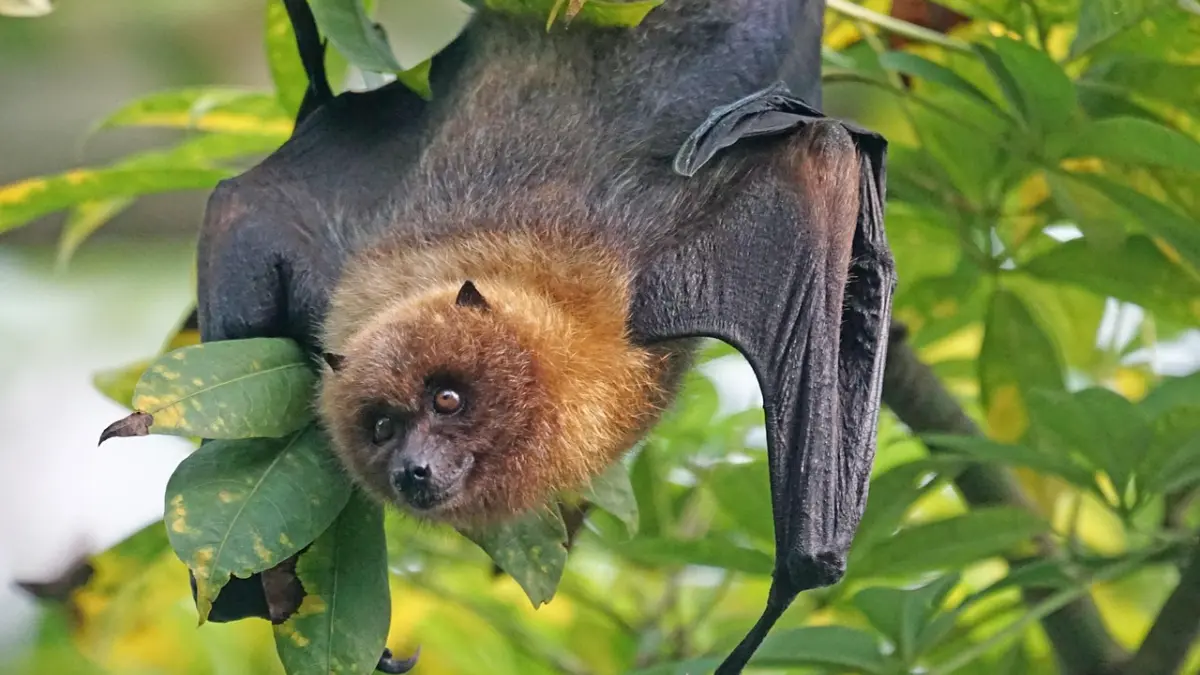
When the sun sets, a hidden army quietly takes to the skies. Bats, often misunderstood, are among the most vital players in our planet’s ecological balance. These remarkable mammals make up one-fifth of all mammal species on Earth, with more than 1,400 species spread across every continent except Antarctica.
Far from being scary or dangerous, bats serve as essential ecological allies, contributing every night as pollinators, seed dispersers, and natural pest controllers.
Nature’s Insect Controllers
Every evening, small bats such as the little brown bat (Myotis lucifugus) consume thousands of insects. Their diet includes mosquitoes, moths, beetles, and other crop pests. In fact, bats in North America alone save farmers an estimated $3.7 billion each year by naturally reducing the need for pesticides.
Thanks to their nocturnal pest control, crops like corn, cotton, and soybeans flourish with fewer chemicals. Without bats, pest populations would likely surge. This would harm food production, increase farming costs, and lead to more pesticide use, which could further damage ecosystems.
Pollinators of Tropical Worlds
In tropical and subtropical regions, fruit bats, also known as flying foxes, play a different but equally crucial role. They help pollinate or disperse seeds for over 500 plant species. These include well-known fruits such as bananas, mangoes, guavas, avocados, and even agaves used in making tequila.
As they fly from tree to tree, these bats transfer pollen and drop seeds far from the parent plant. This not only boosts genetic diversity but also ensures the survival and expansion of forests. In many regions across Africa, Asia, and the Pacific, entire ecosystems depend on the nightly efforts of fruit bats.
As one scientist puts it, “If you like tequila, thank a bat.”
Seed Dispersers in Rainforests
Beyond pollination, bats play another critical role in tropical forests. Many species feed on fruit and later drop the seeds in flight. This widespread seed dispersal helps regenerate cleared land and maintain diverse rainforest habitats.
In fact, research suggests that up to 95% of new tree growth in some tropical clearings comes from seeds dispersed by bats. Their mobility allows them to carry seeds across large distances, something few animals can achieve.
Ecological Indicators
Because bats are highly sensitive to environmental changes, they act as bioindicators of ecosystem health. Sudden declines in their populations often signal broader environmental problems. These may include habitat destruction, pollution, or the overuse of pesticides.
When bat numbers drop, it’s often a sign that something is wrong with the environment we all share. In this way, bats provide not only services but also warnings.
Cultural Connections and Misconceptions
Despite their many benefits, bats remain clouded in myth and fear. Popular culture frequently links them to darkness, evil, or disease. While it is true that some bats can carry viruses such as rabies or coronaviruses, actual transmission to humans is extremely rare.
Sadly, fear-driven actions like cave vandalism or habitat destruction put entire bat populations at risk. Yet in many cultures, bats are seen quite differently. In Chinese tradition, for instance, five bats together symbolise the “five blessings”: health, wealth, longevity, virtue, and peace. In other societies, bats are associated with rebirth or protection.
Understanding bats better helps us value them not just scientifically, but also culturally.
Bats in Crisis: White-Nose Syndrome
Since 2006, North American bats have faced a devastating threat: white-nose syndrome, a fungal disease that spreads in cold, damp caves. It affects bats during hibernation, weakening their immune systems and often leading to starvation or death.
The disease has already killed millions of bats, with some species losing more than 90% of their populations. Efforts to fight it include closing infected caves to humans, supporting bat research, and conserving safe habitats. Even so, many bat species remain critically endangered.
How You Can Help Bats
Thankfully, there are simple ways to support these gentle creatures:
- Plant night-blooming flowers to feed nectar-loving bats.
- Install bat houses to give them safe spaces to roost.
- Support cave conservation groups that protect bat habitats.
- Limit pesticide use, which kills the insects bats rely on for food.
As bat ecologist Dr Merlin Tuttle says: “Bats are gentle, essential creatures. Saving them means saving ourselves.”
Bats may be silent, but their role in our world is loud and clear. From farms to forests, they serve as quiet stewards of balance, reminding us that even the smallest wingbeats can shape entire ecosystems.
