




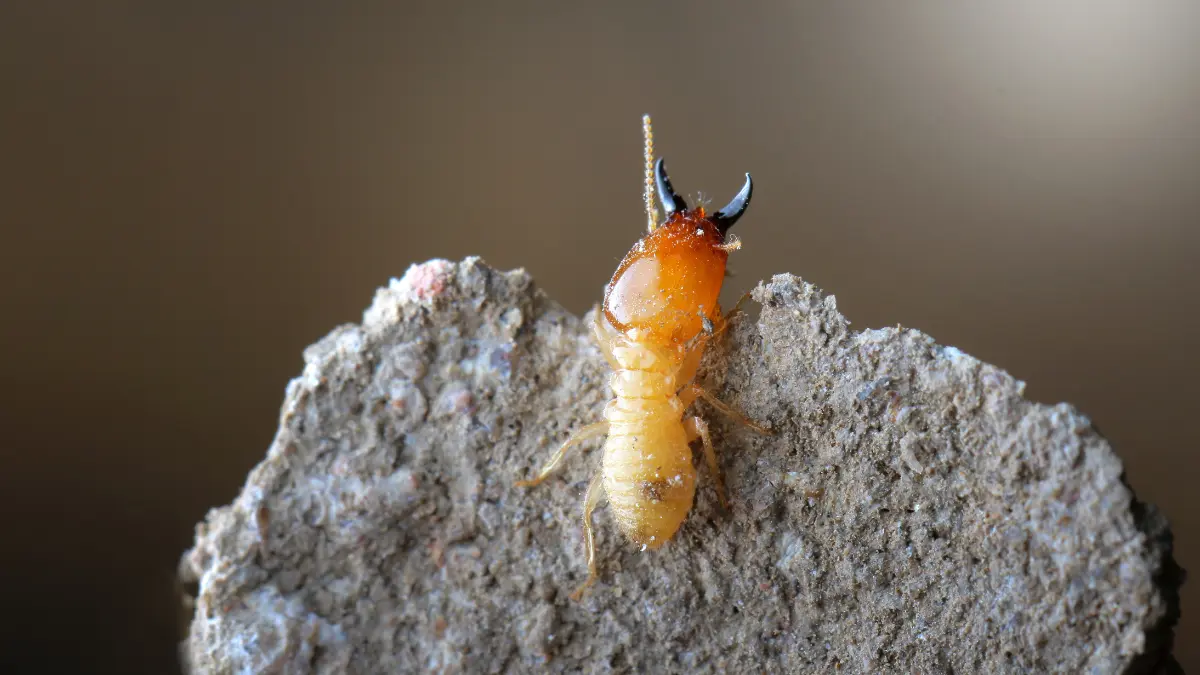
Often seen as pests, termites are actually ecological giants. With over 3,000 species, these insects live in vast colonies and build striking natural structures. Yet, their true value lies in recycling nutrients and shaping soils, vital for healthy ecosystems worldwide.
Natural Builders with Skill
In savannahs of Africa, Australia, and South America, termites create towering mounds. Species like Macrotermes bellicosus build structures up to 9 metres high. Each mound houses millions of termites with intricate tunnel networks. Their smart design regulates heat and humidity naturally.
Interestingly, architects now study these mounds. The Eastgate Centre in Zimbabwe is cooled using techniques inspired by termite engineering.
Masters of Decomposition
Termites excel at breaking down wood, grass, and plant litter. Their gut microbes help digest cellulose, unlocking nutrients plants need.
In tropical forests, they recycle nearly one-third of dead plant material, enriching soil and clearing dry debris. This lowers wildfire risks and boosts vegetation growth.
Their work also:
- Aerates soils through tunnelling.
- Mixes minerals and organic matter.
- Creates habitats for fungi, microbes, and tiny animals.
Shaping Entire Landscapes
By digging constantly, termites improve water flow and raise soil levels. Their mounds become biodiversity hubs for ants, birds, and reptiles. In savannahs, elephants and warthogs break into these mounds for minerals.
This digging helps control how grasslands and forests spread, keeping ecosystems in balance.
Impact on Climate
Termites produce methane during digestion. However, bacteria in their mounds absorb much of it, reducing emissions. They also store large amounts of carbon in soil, aiding long-term climate regulation.
Deep Cultural Links
In several cultures, termite mounds symbolise fertility or ancestral spirits. Their mineral-rich soil is used in medicine and pottery in some communities.
Rethinking Termites
While termites damage buildings in cities, their natural role is vital. Smarter pest control and eco-friendly construction can reduce conflicts without harming them.
Termites are nature’s quiet gardeners, ensuring forests, grasslands, and soils stay alive and thriving. Without them, life in the tropics would look very different.
