



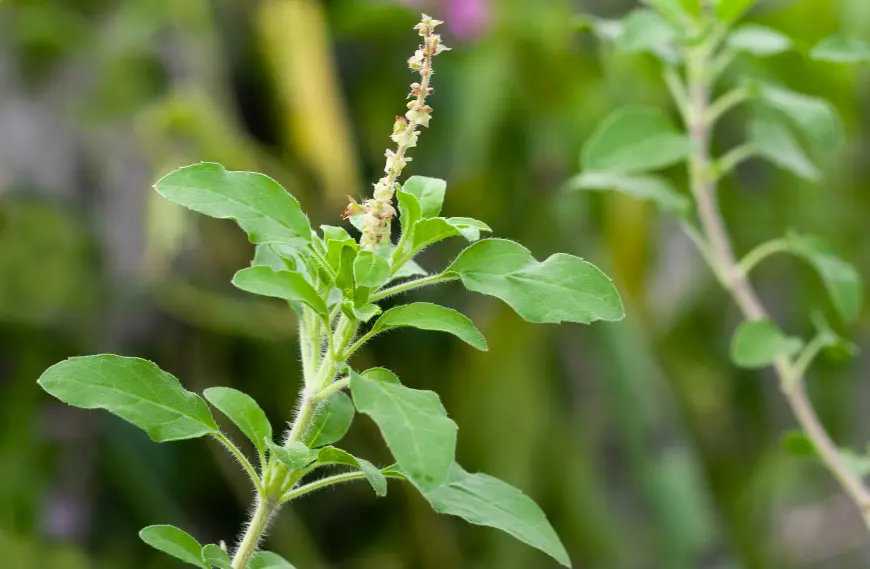
Tulsi Ocimum sanctum, known as Holy Basil, combines ancient Ayurvedic wisdom with modern clinical evidence. It acts as a potent adaptogen, reducing stress, inflammation, and oxidative damage. Tulsi improves heart health, blood sugar regulation, and immune defence against bacteria, viruses, and fungi. It detoxifies the liver, supports kidney function, and promotes mental clarity and sleep. Clinical trials report safe, favourable outcomes with daily dosages of 300 mg to 2 g extract. Tulsi’s versatile benefits make it a timeless herbal treasure.
Tulsi, revered in India as “The Queen of Herbs,” has long served as a household tonic and spiritual guardian. Ancient Ayurvedic texts hail it as an elixir of life. Modern science now confirms many of its claimed benefits with robust clinical evidence. Daily consumption of Tulsi leaves or extract offers remarkable protection against physical, chemical, metabolic, and psychological stress. It acts as a potent adaptogen, helping the body maintain balance under adversity.
Tulsi shows powerful anti-inflammatory and antioxidant actions. Its rich eugenol and linoleic acid content inhibit inflammatory pathways comparable to ibuprofen and aspirin. By boosting enzymes like superoxide dismutase and catalase, Tulsi mops up damaging free radicals, protecting cells and organs from toxin-induced injury. Laboratory studies reveal enhanced glutathione levels and reduced DNA damage after Tulsi administration, offering radioprotective and chemopreventive effects.
Cardiovascular health improves with Tulsi. Its vitamin C and eugenol reduce blood cholesterol and protect the heart from oxidative stress. Clinical trials found lowered blood pressure and improved lipid profiles in patients with metabolic syndrome after four weeks of Tulsi extract supplementation. Regular intake also helps normalise blood glucose and insulin sensitivity, reducing risk factors for type 2 diabetes and atherosclerosis.
Tulsi’s broad-spectrum antimicrobial activity addresses bacterial, viral, and fungal threats. It effectively combats Streptococcus mutans, the culprit behind tooth decay, and rivals commercial mouthwashes in clinical trials. Tulsi boosts immune responses, enhancing resistance to infections like urinary tract infections, skin wounds, and mosquito-borne diseases in experimental models. Its application as a natural mouthwash, water purifier, and hand sanitizer underscores its versatile protective role.
Mental health benefits are equally impressive. Tulsi leaf extracts increase stress resilience, improving endurance and reducing ulcers in animal models. Human studies report reduced anxiety, better sleep quality, and enhanced memory after Tulsi supplementation. Its anxiolytic and anti-depressant properties make it a valued ally against modern psychological stress.
Tulsi aids detoxification by inducing liver enzymes such as cytochrome P450, enhancing toxin clearance. It protects the liver from industrial pollutants and heavy metals, preserving organ function. Its diuretic and uric acid-lowering effects help dissolve kidney stones and support renal health.
Skin and eye health receive special care from Tulsi. Topical applications treat acne and skin infections, thanks to its antibacterial and anti-inflammatory compounds. Tulsi’s soothing action prevents eye-related infections and reduces ocular inflammation, preserving vision.
Pregnant women and children should consult healthcare providers before using concentrated extracts, though culinary use of fresh leaves remains safe for most. Standardised doses in clinical trials range from 300 mg to 2 g of dried leaf extract per day. No serious adverse effects were reported across 24 human studies with Tulsi as a single herb intervention.
