



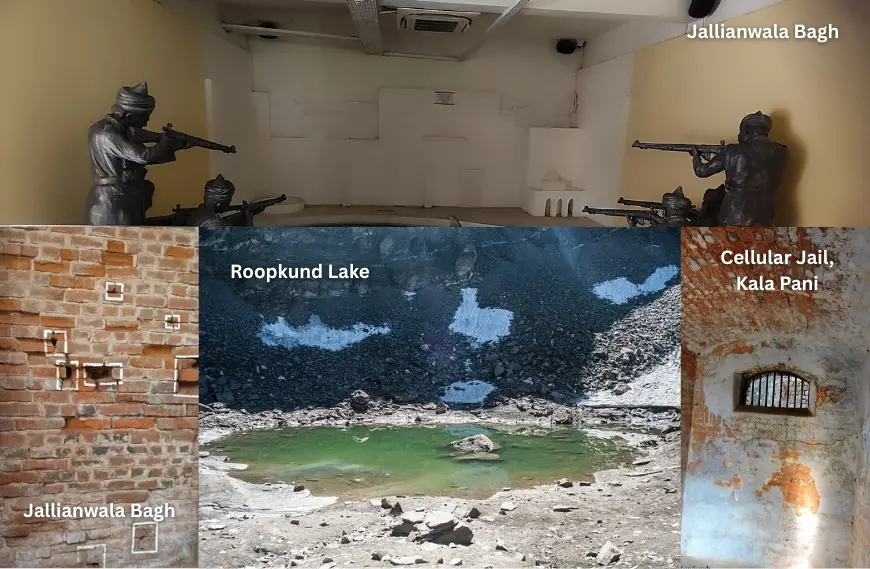
Imagine, you are standing in the quiet courtyard of Jallianwala Bagh, Amritsar, where bullet-scarred walls tell a chilling story of the 1919 massacre. This is not a sunny beach getaway or a cheerful city tour. It’s dark tourism, a journey to places touched by death, tragedy, or suffering. Known as thanatourism or grief tourism, it pulls curious souls to spots like India’s haunting Cellular Jail or the eerie Roopkund Lake, where skeletons rest in icy silence. From the somber Bhopal Gas Tragedy site to the abandoned village of Kuldhara, dark tourism is quietly growing in India. Why do I, or anyone, seek out these heavy places? What makes us chase history’s darkest moments?
Why the name ‘Dark Tourism’?
The term ‘dark tourism’ was coined in 1996 by scholars John Lennon and Malcolm Foley. It captures the essence of visiting sites tied to grim historical events. The ‘dark’ label reflects the heavy, unsettling nature of these places, think battlefields, prisons, or disaster zones. Unlike sunny vacation spots, these destinations confront visitors with mortality and human suffering. Other names like thanatourism, rooted in the Greek word for death, highlight the focus on mortality. The name sets it apart, signaling a journey into history’s somber corners.
Why do people visit?
Curiosity drives many to dark tourism sites. People want to understand history’s darkest moments, from wars to natural disasters. For some, it’s about paying respects, like visiting Jallianwala Bagh to honor lives lost in 1919. Others seek an adrenaline rush, drawn to the eerie allure of Kuldhara, Rajasthan’s abandoned village. Dark tourism offers a break from routine, blending education with a touch of thrill. It’s not just gawking, it’s connecting with the past in a raw, unfiltered way.
The psychology of curiosity
Why are we drawn to death? Psychologists say it’s human nature to explore the unknown. Dark tourism taps into our curiosity about mortality and resilience. Visiting the Bhopal Gas Tragedy memorial stirs empathy and reflection. It’s a safe way to confront fears about death without risk. This fascination is not new, crowds once flocked to public executions. Today, Mumbai’s 2008 attack sites pull visitors closer to history’s raw edges. It’s less about morbidity and more about understanding humanity’s triumphs and tragedies.
The ethics of voyeurism
Dark tourism walks a fine line. Is it respectful learning or voyeuristic gawking? Critics argue that turning tragedy into tourism can trivialize suffering. Selfie-snapping at Auschwitz has sparked outrage, and in India, Wayanad’s recent landslide site drew crowds, prompting police warnings. Ethical dark tourism requires sensitivity, understanding the weight of these places, not treating them as photo ops. Responsible travelers follow local guidelines and approach with humility, ensuring visits honor rather than exploit.
How locals feel about ‘Dark Destinations’
Local communities often have mixed feelings. Near Cellular Jail, locals take pride in sharing their history, with the site now a museum of India’s freedom struggle. But in Kuldhara, some resent outsiders poking around their ancestral lands, tied to curse legends. When tourists flooded Wayanad’s disaster zone, locals felt frustrated. They want respect, not sensationalism. Engaging locals as guides can bridge the gap, giving them a voice in how their history is shared.
Economic boost from dark tourism
Dark tourism can be a lifeline for local economies. Jallianwala Bagh draws thousands, boosting Amritsar’s hotels, eateries, and guides. In remote areas like Roopkund Lake, trekkers hire porters and stay in guesthouses, injecting cash into isolated communities. But the influx must be managed. Overcrowding or insensitive tourism can strain resources and alienate locals. When done right, dark tourism creates jobs and preserves sites, turning tragedy into sustainable economic growth.
Education and remembrance
Dark tourism is not just about thrills, it’s a powerful tool for learning. The Partition Museum in Amritsar brings history textbooks to life, showing the cost of conflict. Cellular Jail’s light-and-sound show vividly recounts freedom fighters’ struggles. These sites teach resilience and human rights. By visiting, travelers honor the past and carry lessons forward, ensuring tragedies are not forgotten in a world that often moves on too quickly.
India’s hidden dark tourism trail
India’s rich history offers a unique dark tourism trail. From colonial oppression to natural mysteries, its sites tell haunting stories. Less commercialised than global hotspots like Chernobyl, India’s destinations are equally compelling, blending history, mystery, and cultural depth. They draw travelers seeking more than postcard views, though raising awareness without sensationalising is key.
Dark tourism sites in India
- Cellular Jail, Andaman and Nicobar Islands: Known as Kala Pani, this colonial prison held freedom fighters in brutal conditions. Now a museum, it offers a sobering look at India’s independence struggle.
- Jallianwala Bagh, Amritsar: The 1919 massacre site, with bullet-marked walls, is a stark reminder of colonial violence.
- Roopkund Lake, Uttarakhand: Dubbed Skeleton Lake, this high-altitude site holds centuries-old remains, possibly from a hailstorm, attracting trekkers.
- Kuldhara Village, Rajasthan: Abandoned in the 19th century, this ghost village, steeped in curse legends, draws curious explorers.
- Bhopal Gas Tragedy Site, Madhya Pradesh: The 1984 disaster killed thousands. Its site and museum highlight corporate negligence and resilience.
- Mumbai 2008 Attack Sites: Landmarks like the Taj Mahal Palace Hotel, scarred by terrorism, attract reflective visitors.
A journey beyond the ordinary
Dark tourism is not for everyone, but its pull is undeniable. It’s a chance to face history head-on, to feel the weight of human struggle, and to learn from it. In India, sites like Cellular Jail and Jallianwala Bagh offer windows into the nation’s past, blending education with emotion. Yet, it’s a balancing act, respecting these places while embracing their economic and educational potential. For those who tread thoughtfully, dark tourism offers a profound, unforgettable journey into humanity’s shadows.
Also Read: Life in Bihar’s Pakistan Tola: A Village Left Out of India’s Growth Story
