



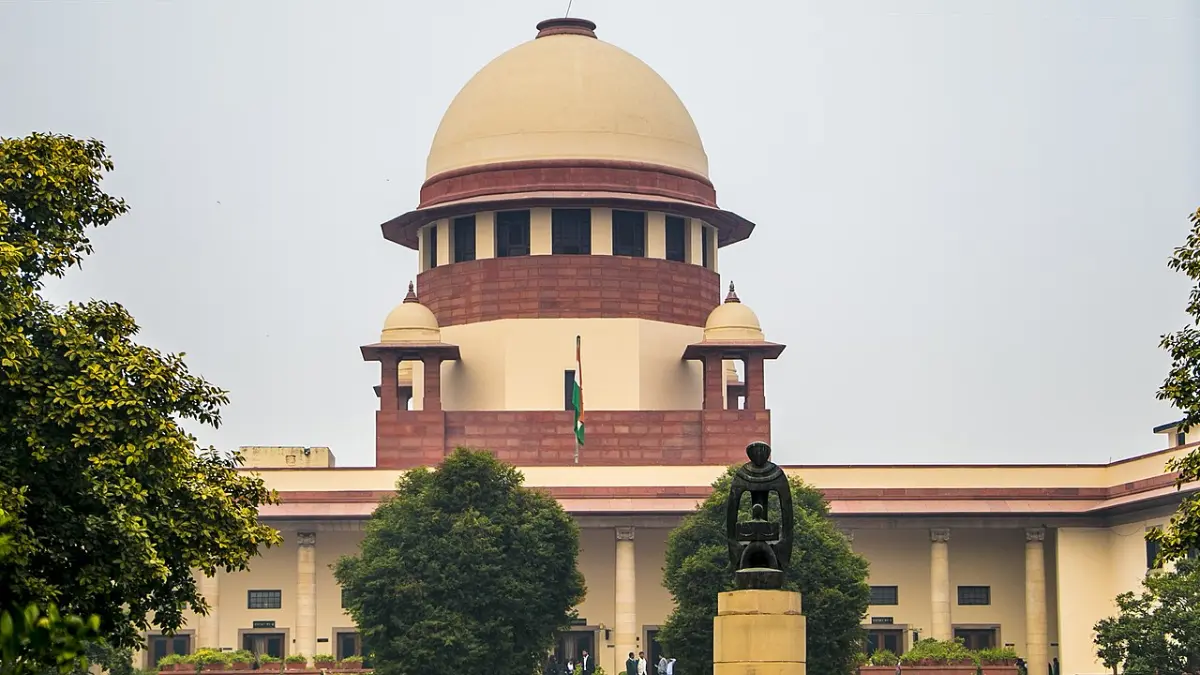
The Supreme Court has opened an important debate on the future of cadets who acquire disabilities during training in the defence academies. The Court has asked whether these young men and women can be given a second chance to serve in the armed forces once they recover after treatment.
This question goes beyond individual cases. It touches upon fairness, inclusion, and the duty of the state towards those who sacrifice their youth for the defence of the nation.
The Issue at Hand
Cadets enter military academies after rigorous selection. However, some of them develop medical conditions or suffer injuries during training. Once declared unfit, they are usually discharged. This leaves them with shattered dreams and limited options, as many had dedicated their formative years exclusively to pursuing a military career.
The Court has pointed out that such cases should not be seen only through a medical lens. Instead, they must also be viewed as a matter of social justice.
Social Justice for Young Aspirants
The judges have underlined that cadets do not join training institutions casually. Their entry is the result of hard work, discipline, and passion. When they lose the chance to serve due to disability, they face not just physical challenges but also emotional and financial setbacks.
The Court has asked whether a system can be designed where such cadets are not abandoned. Could they be rehabilitated, reassigned to less physically demanding roles, or allowed to rejoin once they are medically fit again?
A Call for Policy Clarity
The government has been asked to study and present a detailed response on the matter. The Court has also explored whether cadets declared disabled could be covered under the Ex-Servicemen Contributory Health Scheme (ECHS), which currently supports retired defence personnel and their families.
If this happens, it could provide vital healthcare access to young cadets who are left without institutional support after discharge.
A Step Towards Reform
This development may mark the beginning of a larger reform in how the armed forces treat cadets with disabilities. It could ensure that they are not left behind after years of dedication and training.
The issue is not about lowering standards for military service but about recognising the rights and dignity of those who step forward to defend the nation.
The Supreme Court’s questions have highlighted an uncomfortable reality. Cadets who fall behind due to disability are often forgotten. Yet, their service, however short, deserves respect and protection.
The coming months will decide whether India takes a step towards a more humane and inclusive defence policy. For many young cadets, the answer could mean hope, dignity, and a future worth striving for.
