




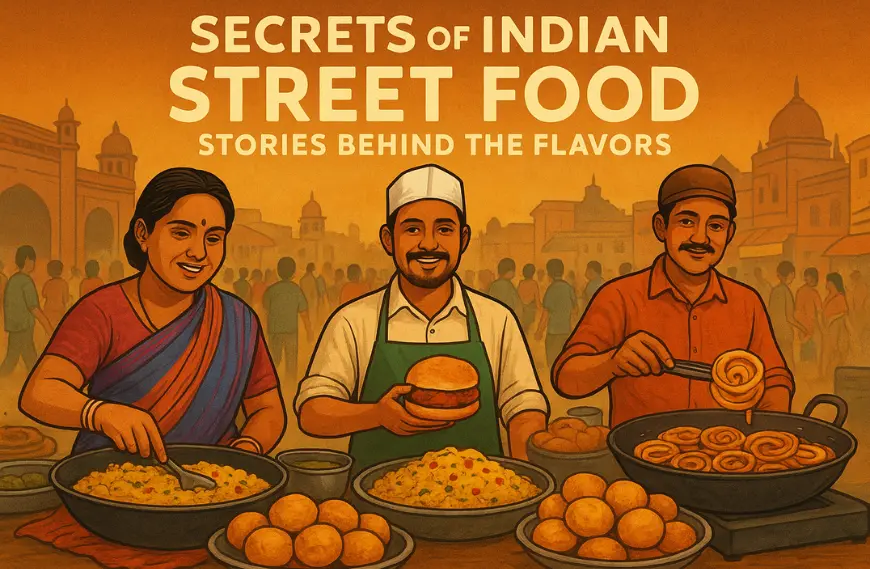
India’s streets are alive with colors, sounds, and aromas. But beyond the hustle and bustle lies one of the country’s most beloved treasures: street food. From the spicy chaat of Delhi to the sweet jalebis of Kolkata, these dishes are more than just snacks; they are stories, traditions, and livelihoods woven into the fabric of Indian life.
More Than Just Food: A Cultural Journey
Every street food dish tells a tale. In Mumbai,vada pav isn’t just a potato fritter in bread; it’s a symbol of the city’s working-class resilience, a quick meal that fueled generations of laborers and office-goers. In Kolkata, puchkas (pani puri) stand on crowded corners, carrying a legacy of Bengali creativity in tangy, spicy, and sweet flavors. Street food is a lens into regional history, reflecting local ingredients, climate, and culinary innovations passed down through generations.
The People Behind the Stall
It’s easy to walk past a busy food stall without noticing the story behind it. Yet, the vendors are often families running these businesses for decades. Many start before sunrise, preparing fresh ingredients, grinding spices, and perfecting recipes honed over years. Take the famous Paranthe Wali Gali in Delhi, where vendors have been serving crisp, stuffed parathas for over a century. These are not just meals, they are heritage on a plate.
Innovation Meets Tradition
Street food in India is a blend of tradition and experimentation. Vendors constantly tweak recipes, introduce fusion items, and adjust flavors to suit changing tastes. In cities like Bangalore and Pune, you’ll find street-side fusion dishes mixing continental and Indian flavors, showing how food evolves while staying rooted in local culture.
Modern Twist: Social Media and Food Innovation
In recent years, food bloggers, Instagram influencers, and YouTube creators have brought Indian street food into the spotlight, celebrating not just taste but the stories behind the dishes. Street food stalls that once served only locals are now gaining nationwide attention. Vendors are embracing this trend by introducing fusion dishes, such as Indo-continental snacks, vegan alternatives, and health-conscious versions of classic recipes. This modern twist allows traditional flavors to evolve while attracting a younger, global audience.
A Living Legacy
Street food is also a social connector. It brings people together families, office-goers, students, and tourists forming a shared experience of taste, texture, and memory. Eating from a street vendor isn’t just about hunger; it’s about belonging, celebrating the ordinary joys of life.
Next time you bite into a spicy samosa or sip a steaming cup of masala chai at a bustling stall, remember: it’s not just food, it’s history, labor, love, and creativity served fresh. Indian street food is a testament to the country’s diversity, resilience, and the unsung heroes who keep the flavors alive.
