



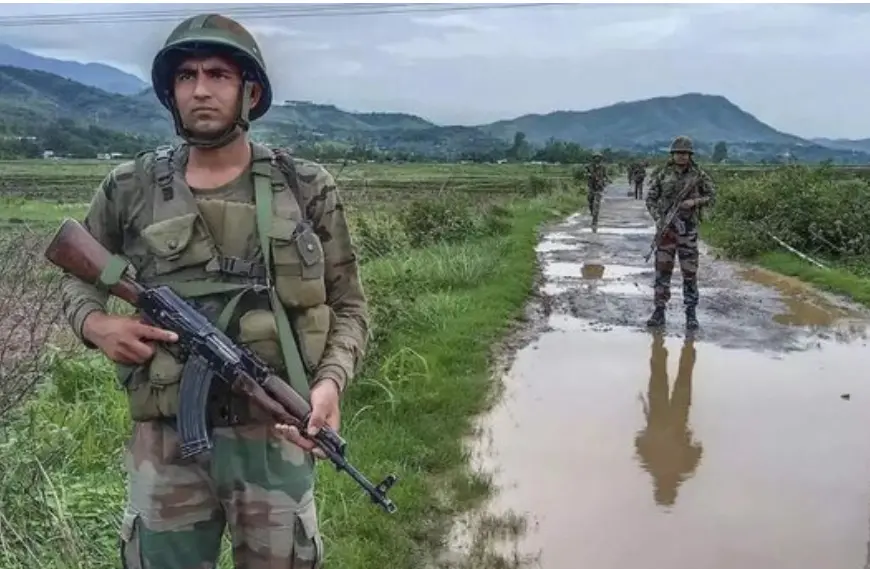
The Government of India, the Manipur state government, and Kuki-Zo groups have signed a fresh Suspension of Operations (SoO) agreement, signalling a renewed commitment to peace after months of ethnic unrest. This pact, which builds on negotiations since the conflict began on May 3, 2023, marks a significant step in restoring normalcy across the state. One of the most notable outcomes is the reopening of National Highway-2 (NH-2), a vital supply route that had remained blocked during the violence. The Kuki-Zo Council has agreed to allow free passage of commuters and essential goods, easing the severe hardships faced particularly by Meitei residents who had been cut off from the valley districts.
A central pillar of the agreement is the reinforcement of Manipur’s territorial integrity, with all parties committing to uphold the state’s unity and prevent any further ethnic division. In addition, the pact requires militant groups to relocate seven designated camps away from conflict-prone areas, while all weapons will be secured in Central Reserve Police Force (CRPF) or Border Security Force (BSF) facilities. These measures are designed to reduce tensions, limit the scope of clashes, and bring greater accountability. To further strengthen enforcement, the agreement introduces stricter monitoring mechanisms, including physical verification of cadres by security forces to identify and remove foreign nationals. Any violations could lead to the review or cancellation of the pact. Oversight will be handled by a newly created Joint Monitoring Group (JMG).
Importantly, the renewal of the SoO pact also restores a platform for political dialogue within India’s constitutional framework. The ceasefire provides the necessary space for meaningful discussions on long-term solutions to the ethnic divide. Since May 2023, when violence first erupted between Meitei and Kuki-Zo communities, Manipur has witnessed deep fractures, with more than 250 lives lost, over 60,000 people displaced, and critical infrastructure including NH-2 crippled, creating a humanitarian crisis. Against this backdrop, the renewed agreement is a constructive step toward rebuilding trust, re-establishing peace, and enabling sustained dialogue for the future.
