




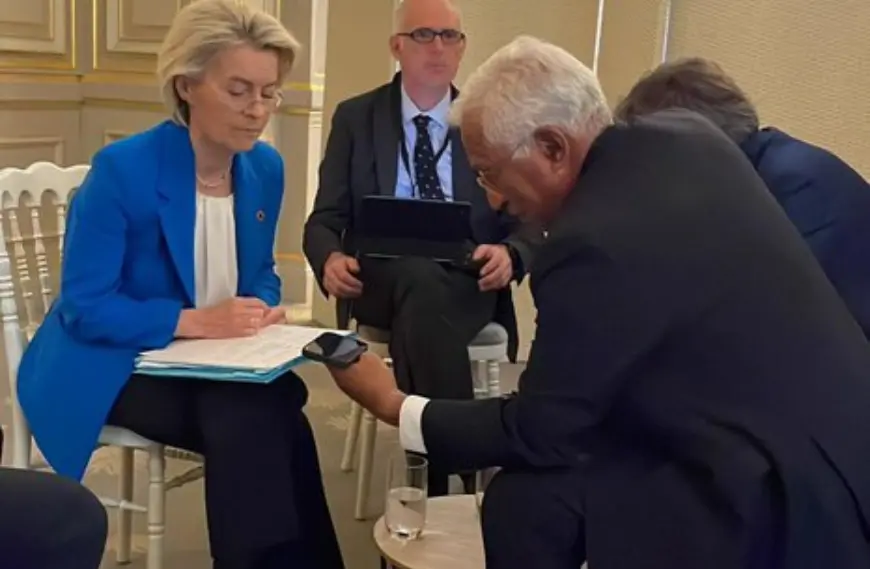
On September 4, 2025, Indian Prime Minister Narendra Modi and European Commission President Ursula von der Leyen had a phone call that showed their strong commitment to working together. This wasn’t their first talk; they also spoke in February 2025, proving that their regular conversations are key to moving important issues forward. From working toward peace in Ukraine to boosting trade, their call highlighted how leaders stay connected to solve big problems.
A Channel for Peace and Cooperation
The phone call was more than just a chat. It was a chance for two major leaders to discuss serious global issues. Von der Leyen praised India’s talks with Ukraine’s President Volodymyr Zelenskyy, saying India has a big role in helping end Russia’s war in Ukraine. She called the war a global problem that affects safety and economies worldwide. By talking directly, Modi and von der Leyen showed they trust each other to work on solutions.
Strengthening Trade Ties
The leaders also talked about the India-EU Free Trade Agreement (FTA), which they want to finalize by the end of 2025. This deal would make it easier for India and the EU to trade goods, protect investments, and respect special products like Indian spices or European cheeses. Their February call had already set this goal, and this new conversation pushed it further. It shows how their ongoing talks keep the momentum going.
Planning for the Future
Modi and von der Leyen also discussed a big meeting planned for 2026, called the EU-India Summit. They want to create a joint plan to make their partnership even stronger. This isn’t just about trade it’s about working together on bigger issues like global security and growth. Their regular calls prove they’re serious about making this happen.
These leader-to-leader talks show how important personal connections are in global politics. Modi and von der Leyen’s calls are building a stronger bridge between India and the EU. Whether it’s about peace in Ukraine or better trade deals, their direct communication keeps things moving. For political commentators and media, this ongoing dialogue is a sign of how top leaders shape the world’s future, one phone call at a time.
