




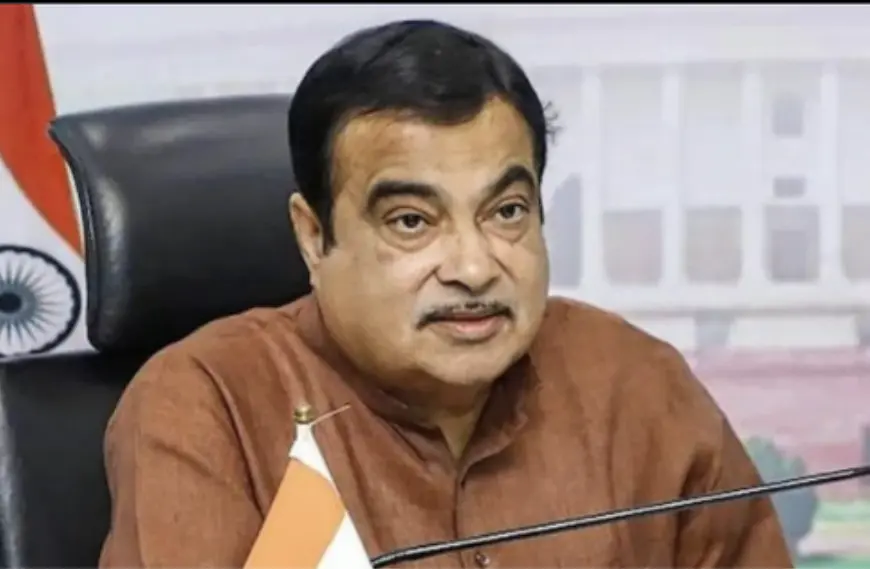
Union Minister for Road Transport and Highways, Nitin Gadkari, has strongly defended the nationwide rollout of E20 fuel, dismissing recent criticisms as a politically motivated campaign orchestrated by the powerful petrol lobby. Speaking at the 65th annual convention of the Society of Indian Automobile Manufacturers (SIAM) in New Delhi, Gadkari addressed concerns raised on social media regarding the impact of E20 fuel on vehicle performance.
E20 fuel, a blend of 20% ethanol and 80% petrol, was introduced to reduce India’s dependence on fossil fuels, lower carbon emissions, and promote the use of domestically produced ethanol. While the government has emphasized the environmental and economic benefits of this initiative, some vehicle owners and industry experts have expressed apprehensions about potential issues such as reduced fuel efficiency and engine compatibility, particularly in older vehicles.
Gadkari, however, refuted these concerns, attributing them to a coordinated misinformation campaign. He emphasized that the rollout of E20 fuel had received approval from relevant authorities, including the Supreme Court, which dismissed a public interest litigation challenging the implementation of the ethanol-blending program. Additionally, organizations like the Automotive Research Association of India (ARAI) and the Society of Indian Automobile Manufacturers (SIAM) have not reported any significant issues related to the use of E20 fuel.
The minister further highlighted the economic rationale behind the adoption of E20 fuel, noting that India imports approximately ₹22 lakh crore worth of fossil fuels annually. By promoting the use of ethanol, the government aims to reduce this expenditure and redirect the savings into the domestic economy. He also pointed out that the increased demand for ethanol has benefited farmers, particularly in states like Uttar Pradesh and Bihar, where maize cultivation has seen significant growth.
In response to the criticism, Gadkari challenged detractors to provide concrete evidence of any vehicle damage caused by E20 fuel. He asserted that the government’s commitment to cleaner fuels and sustainable energy alternatives remains unwavering, despite the opposition from certain vested interests.
Gadkari’s remarks underscore the government’s determination to advance its ethanol-blending program and promote the use of cleaner, domestically produced fuels. While acknowledging the concerns of vehicle owners, the minister maintains that the benefits of E20 fuel far outweigh the potential drawbacks, and the ongoing campaign against its implementation is largely driven by political and industrial forces resistant to change.
