




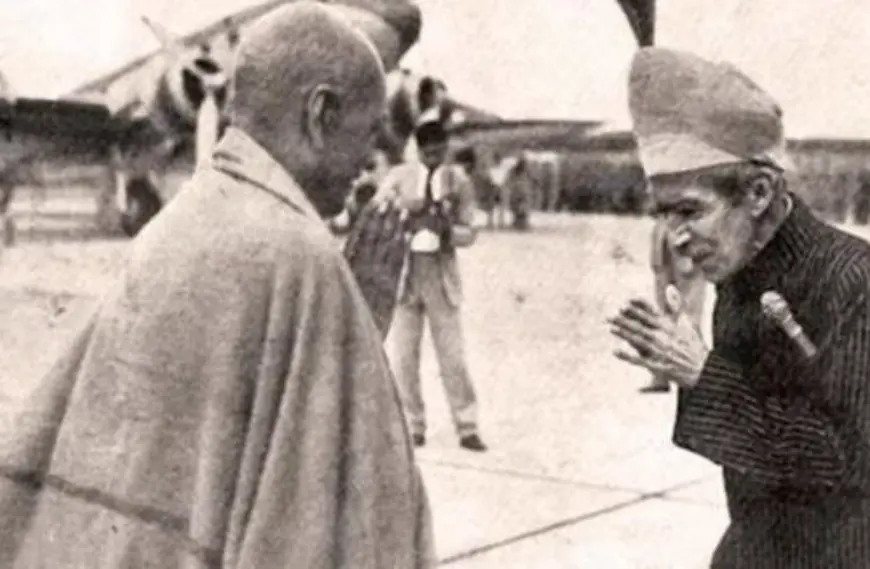
Every year on September 17, India commemorates Hyderabad Liberation Day, a pivotal moment in the nation’s post-independence history. This day marks the integration of the princely state of Hyderabad into the Indian Union, ending the Nizam’s autocratic rule and unifying the region with the newly independent country. It symbolizes courage, unity, and the triumph of democracy over feudal oppression.
Historical background
After India gained independence in 1947, princely states were given the choice to join India, Pakistan, or remain independent. The Nizam of Hyderabad, Mir Osman Ali Khan, one of the richest rulers in the world at that time, opted for independence. This decision created political instability in a region known for its cultural diversity and social complexity.
The Nizam’s stance faced increasing resistance from within the state. The Telangana Rebellion, a peasant uprising against feudal landlords, challenged the existing social order, while the Razakars, a paramilitary militia loyal to the Nizam, used violent methods to suppress dissent. These conditions necessitated decisive action from the Indian government to integrate Hyderabad peacefully.
Operation polo: The police action
To restore law and order and bring Hyderabad into the Indian Union, the Indian government launched Operation Polo in September 1948, known as a “police action.” The Indian Army acted swiftly to neutralize the Razakars and ensure the surrender of the Nizam.
The operation lasted for five days, culminating in the Nizam’s surrender on September 17, 1948. This event marked the end of autocratic rule and the establishment of democratic governance in Hyderabad. While the operation was largely successful with minimal civilian casualties, the period also saw social and political unrest as the transition took place.
Significance of Hyderabad liberation day
Integration of Hyderabad into India – Hyderabad Liberation Day symbolizes the unification of the state with India, reinforcing the nation’s territorial integrity and strengthening the Indian Union.
End of Feudal Rule – The day marks the end of centuries of Nizam’s autocracy and feudal oppression. It paved the way for democratic governance, providing citizens with political representation for the first time.
Tribute to Martyrs – The day honors countless individuals, from peasants to Indian Army personnel, who played crucial roles in Hyderabad’s liberation. Their courage and sacrifices are remembered as part of India’s struggle for unity.
Legacy of Leadership – Visionaries like Sardar Vallabhbhai Patel and military leaders ensured a smooth integration. Their strategic and diplomatic efforts are studied as examples of conflict resolution in post-independence India.
Cultural and regional impact
Hyderabad Liberation Day also had a lasting effect on the culture, politics, and society of the region. The erstwhile Hyderabad State included present-day Telangana, parts of Maharashtra, and Karnataka. Its integration reshaped political boundaries and governance structures, ensuring equitable development.
The region’s rich culture continued to flourish within the Indian Union. This included its language, cuisine, architecture, and art. Hyderabad’s unique heritage blended with India’s democratic framework, preserving history while fostering modern governance.
Contemporary observance
In recent years, the Government of India officially recognized September 17 as Hyderabad Liberation Day through a gazette notification. The day is marked by ceremonies, tributes, and educational programs across Telangana, Maharashtra, and Karnataka.
Union Home Minister Amit Shah recently paid tribute to the martyrs, highlighting the hardships faced under the Nizam and the Razakars’ oppressive rule. Schools, colleges, and media platforms also host discussions, exhibitions, and social campaigns to educate citizens about the day’s historical and cultural significance.
Additional insights and lesser-known facts
Role of Local Volunteers – Beyond the army, local volunteers, activists, and political workers played a subtle yet significant role in facilitating Hyderabad’s integration.
Economic Integration – Hyderabad’s integration also meant the merging of its economic systems with India, which helped in establishing stable governance and trade networks.
Impact on Women and Minorities – The liberation provided marginalized communities, including women and lower-caste citizens, opportunities for representation and empowerment for the first time in the region’s history.
Educational Reforms – Post-liberation, reforms were introduced in schools and colleges, ensuring wider access to modern education and breaking the previous feudal monopoly on learning.
Key figures behind Hyderabad’s integration
The integration of Hyderabad into India was not the result of a single decision but a coordinated effort by multiple leaders and strategists. Sardar Vallabhbhai Patel, India’s first Deputy Prime Minister and Home Minister, played a pivotal role by ensuring diplomatic and military readiness to bring Hyderabad into the Union. Military leaders like Major General J.N. Chaudhuri led the ground operations with precision during Operation Polo, ensuring minimal civilian casualties while neutralizing the Razakars.
Local freedom fighters and political activists also contributed significantly, working at the grassroots level to mobilize public opinion in favor of integration. Their combined efforts ensured Hyderabad’s transition into a democratic framework.
Stories of local heroes and martyrs
While the army executed the military operation, many ordinary citizens contributed to Hyderabad’s liberation in quieter, yet equally courageous ways. Local volunteers helped protect communities from the Razakars’ violent reprisals. Some young students and activists organized relief efforts, guided civilians to safety, and collected intelligence to aid the army’s strategic planning.
These unsung heroes, whose names are rarely documented in official records, embody the bravery and resilience of the people who yearned for democratic governance and justice.
Lessons for modern India
Hyderabad Liberation Day offers enduring lessons for contemporary India. It demonstrates the importance of unity and diplomacy, showing how diverse groups with differing interests can be integrated into a common national vision.
The day also reflects the power of strategic leadership and resilience, reminding citizens and policymakers alike that democracy and governance require careful planning, empathy, and courage. Finally, it underscores the role of ordinary citizens in shaping history, teaching modern India that nation-building is a collective responsibility.
How the day is celebrated today
Today, Hyderabad Liberation Day is commemorated with a mix of official ceremonies, public tributes, and cultural programs. Across Telangana, Maharashtra, and Karnataka, government officials and military representatives pay homage to the martyrs who made the liberation possible.
Educational institutions organize essay competitions, debates, and exhibitions to raise awareness among students about the historical significance of the day. Social media campaigns also play a major role, with citizens sharing stories, images, and videos reflecting on the bravery of heroes and the importance of democratic integration.
These celebrations not only honor history but also connect younger generations with the legacy of Hyderabad’s journey to freedom.
Legacy and reflection
Hyderabad Liberation Day is a reminder of India’s resilience and unity. It celebrates the collective effort of citizens and leaders to uphold democracy, justice, and equality. The day also encourages reflection on the challenges of nation-building, the importance of leadership, and the responsibility of citizens in safeguarding democratic values.
It is more than a historical commemoration; it is a symbol of freedom, integration, and the spirit of modern India. As India observes this day, it pays tribute to the sacrifices of martyrs, honors visionary leaders, and celebrates the journey towards unity and democracy.
Hyderabad Liberation Day exemplifies the triumph of democracy over feudal autocracy and highlights India’s commitment to unity and justice. From honoring brave martyrs to reflecting on visionary leadership, the day encourages citizens to appreciate the struggles behind India’s integration process. September 17 is not just a historical milestone; it is a celebration of courage, resilience, and the spirit of a nation committed to equality and democracy.
