




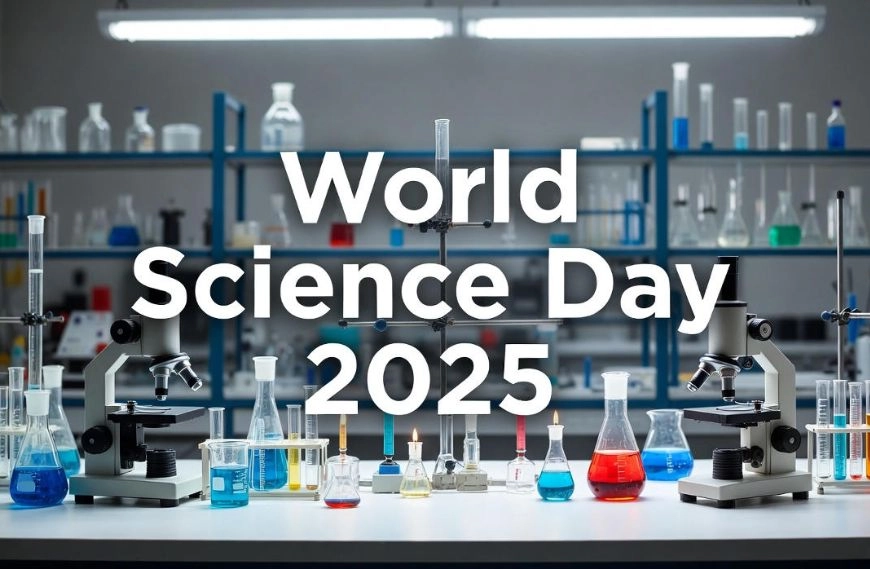
Every year, the world comes together on 10 November to celebrate World Science Day for Peace and Development. This special day highlights the importance of science in building a better, more peaceful, and sustainable world. Established by UNESCO in 2001, it reminds us that science is not just for laboratories, it shapes our daily lives, from clean energy and healthcare to technology and education.
Theme of 2025
The theme for World Science Day 2025 is ‘Science for a Sustainable Future’ . It calls attention to how scientific research and innovation can help solve global challenges such as climate change, public health, and environmental conservation. The focus this year is on encouraging collaboration between scientists, governments, and citizens to create long-term solutions that protect both people and the planet.
Science has always played a key role in human progress. But today, when misinformation and distrust are spreading fast, World Science Day becomes even more important. It helps people understand how science works and why it is based on evidence and reason. The goal is to make science more accessible and ensure that its benefits reach everyone, not just a few.
UNESCO’s mission behind this day is simple: promote peace through knowledge. When people share scientific understanding, they also share trust and cooperation, two things essential for peace and progress.
A global celebration
Across the world, universities, research institutions, and schools mark this day with workshops, exhibitions, science fairs, and public discussions. Many countries organise open science events to involve students and local communities. From Africa to Asia and Europe to the Americas, the day serves as a global reminder that innovation should serve humanity, not harm it.
In India, several educational and research organisations such as the Department of Science and Technology (DST), CSIR, and Vigyan Prasar conduct activities to promote awareness about scientific thinking among students. Science communicators and educators use this occasion to explain how research can improve lives and make society more resilient.
Science for peace
Science has the power to unite people across borders. During global crises like the COVID-19 pandemic, scientists from different nations worked together to develop vaccines and share data. Similarly, in tackling climate change, nations rely on shared scientific knowledge and technology. These examples show how science can be a bridge for peace and international cooperation.
Science in everyday life
From the food we eat to the phones we use, science touches everything. Understanding its importance helps societies make informed decisions. Whether it’s renewable energy, clean water technology, or medical innovation, science drives progress and improves the quality of life for millions.
Despite its achievements, science still faces challenges. Unequal access to education, lack of funding in developing countries, and low representation of women in STEM fields remain global concerns. World Science Day encourages efforts to make science inclusive, ethical, and accessible to all.
Promoting young talent, encouraging women in research, and improving public trust are essential for the next generation of innovators.
World Science Day for Peace and Development is more than a celebration, it’s a call to action. It reminds us that the future of humanity depends on how wisely we use science. As we celebrate the 2025 edition, the message is clear: Science should be for everyone, everywhere, working towards peace, equality, and sustainability.
Subscribe Deshwale on YouTube
