




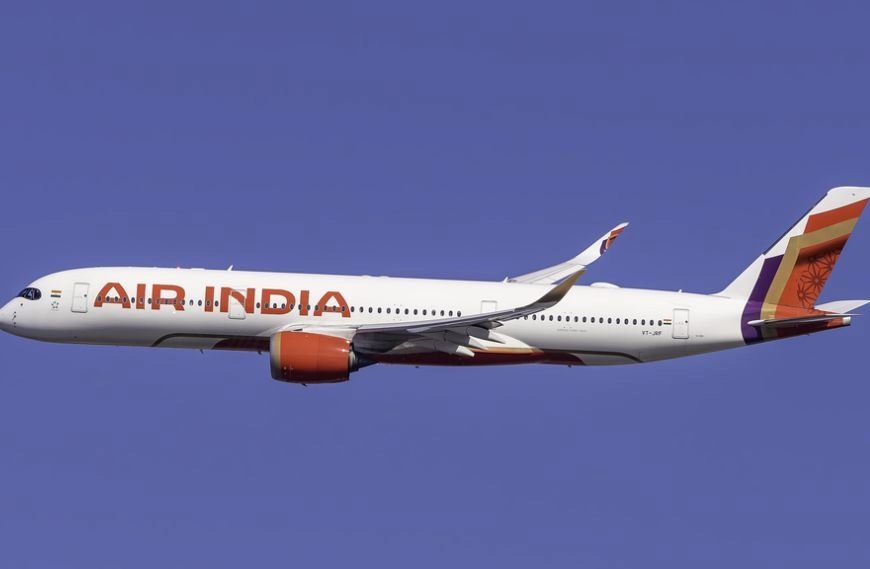
Just a year ago, Air India seemed ready to soar higher than ever. With the much-talked-about merger with Vistara and plans for hundreds of new aircraft, the airline looked set to reclaim its old glory. But as 2025 unfolds, the story has taken an unexpected turn instead of growing bigger, Air India has actually become smaller.
According to recent reports, Air India’s fleet size and domestic market share have both shrunk in the past year. The merger with Vistara, which was expected to make it a strong competitor against IndiGo, has not yet delivered the expected results. In fact, the process of merging two full-service airlines has been slower and more complex than anticipated.
Data shows that Air India’s market share has fallen, while IndiGo continues to dominate Indian skies. The fleet size, too, has reduced slightly as some aircraft have been grounded or retired. This is surprising because Air India had placed one of the world’s biggest aircraft orders over 470 new planes in 2023. But most of these aircraft will only arrive in the coming years, meaning the airline has to make do with its current, ageing fleet for now.
The merger with Vistara, which was expected to create a larger and more efficient airline, is still in transition. Integrating two different teams, operations, and systems has turned out to be far more complicated than it looked on paper. Many employees from both airlines are still unsure about their roles, and aligning service standards has been a major challenge.
Regulatory delays have also slowed down the process. While the merger officially began in 2024, it could take several more months before Air India and Vistara fully operate as a single brand.
Passengers have reported mixed experiences. While Air India has tried to modernise its services, the results are uneven. Some flights offer upgraded seats, in-flight entertainment, and improved meals, while others continue to show signs of the old system. The inconsistency has affected customer perception, especially when competitors like IndiGo and Akasa Air are steadily improving.
This slowdown comes at a time when India’s aviation sector is booming. Domestic travel demand is at record highs, and new airlines are expanding aggressively. For Air India to truly make a comeback, it must speed up its fleet expansion and service improvement.
Industry experts say that the slowdown is temporary. They believe the airline will eventually bounce back once new aircraft arrive and the merger stabilises. But for now, the road to recovery is longer than expected.
Air India’s current challenges highlight how difficult airline mergers can be especially when combining two large, full-service carriers with different cultures and systems. It also shows that brand transformation in aviation takes time, patience, and deep planning.
Despite the turbulence, the Tata Group’s commitment to reviving Air India remains strong. With its long-term investment plans, upcoming aircraft deliveries, and focus on global routes, Air India could still regain its lost momentum just not as fast as everyone hoped.
Subscribe Deshwale on YouTube
