




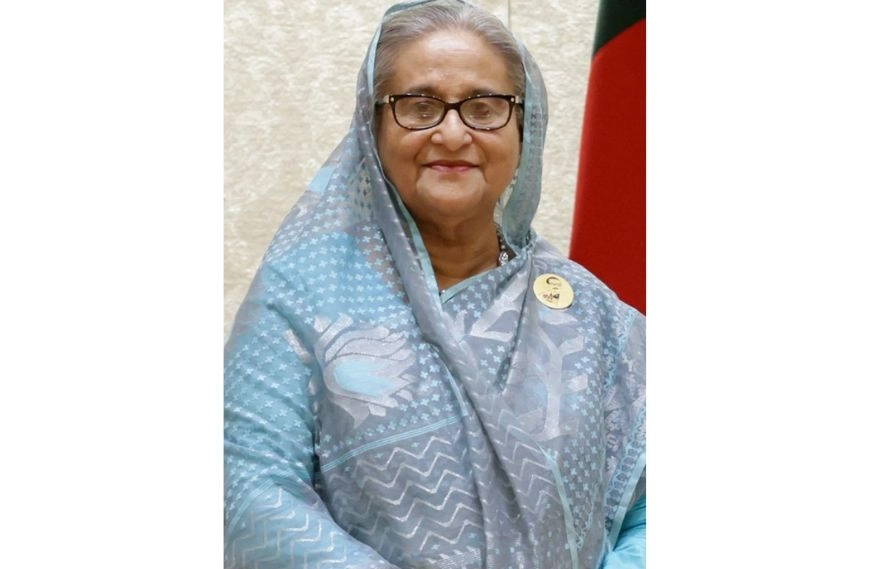
The death verdict against Sheikh Hasina has become one of the most debated political developments in South Asia. It is not just a courtroom decision. It is a moment that has pushed Bangladesh into deeper questions about justice, democracy, and the direction of its future. When a former prime minister faces the harshest possible punishment, it naturally raises doubts, fears, and opinions that go far beyond national borders.
At the centre of this controversy is the charge that Sheikh Hasina used excessive force against widespread student protests in 2024. According to the tribunal, state forces acted violently during these demonstrations, causing several deaths and injuries. The case argues that she allowed or encouraged these actions while she was in office. For many observers, however, the real issue is not only the charges but the way the justice system handled them.
Hasina has rejected the allegations and has described the entire process as politically motivated. From her exile in India, she has repeatedly said she did not receive a fair chance to defend herself. Her party, the Awami League, shares this view, especially since it has already been removed from the electoral process. For many of her supporters, the verdict feels like an attempt to rewrite political power in Bangladesh by using the judiciary as a tool.
This is one of the reasons the international community is uneasy. Governments, rights organisations, and global institutions are concerned about whether the verdict reflects genuine justice or a politically charged atmosphere. Many worry that the trial lacked transparency and did not meet international standards. When the punishment is as irreversible as the death penalty, the demand for clarity and fairness becomes even stronger.
The verdict has also deepened uncertainty within Bangladesh. Instead of bringing closure, it has added more strain to an already divided political environment. The country has been experiencing unrest, mistrust, and rising tensions, and this decision risks widening those cracks. As Bangladesh prepares for elections, the verdict has raised questions about how stable and participatory the political climate truly is.
Beyond politics, the issue has created a diplomatic challenge for India too. Hasina has been staying in India since she left Bangladesh in 2024, and Dhaka has now requested her extradition. India faces a sensitive choice. Returning her could be seen as supporting a highly controversial judgment, while refusing may affect relations with Bangladesh. This shows how the verdict is not just a domestic matter but one with regional implications.
There is still a possibility of appeal, but it can only proceed if Sheikh Hasina returns or is taken into custody. This condition itself has sparked debate about whether the appeal process is realistic. Supporters of the verdict say it offers justice for the families who lost loved ones during the protests. Critics argue that justice must also consider fair procedure and independent courts.
In many ways, the entire issue symbolises the crossroads Bangladesh finds itself at. It is a struggle between accountability and political rivalry, between the demand for justice and the fear of misuse of power. The global concern arises because this case touches fundamental questions about democracy, rights, and the rule of law in a country that plays a key role in the region.
The world is watching not only the fate of one leader but what the situation reveals about Bangladesh’s institutions, its political culture, and the path it will take in the coming years. The verdict has become more than a legal decision. It is a reflection of a nation trying to understand what fairness and stability mean in a time of deep uncertainty.
Subscribe Deshwale on YouTube
