




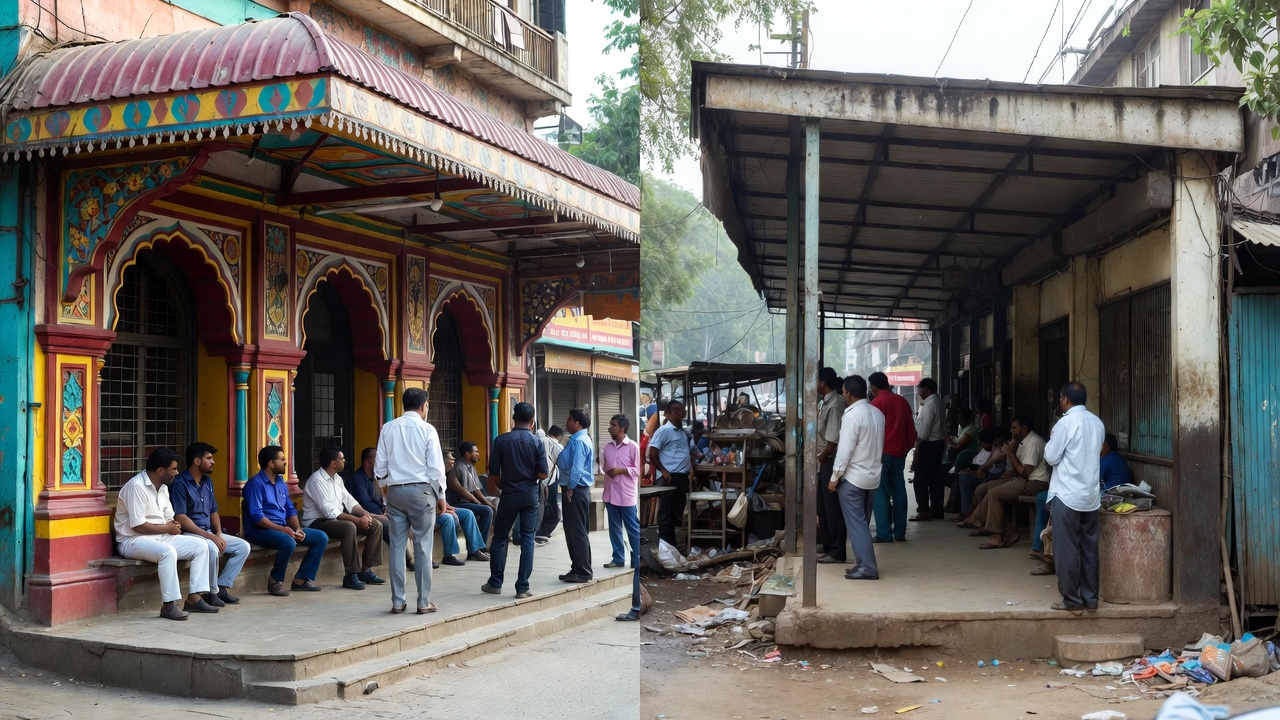
In many Indian cities, bus stops remain dreary, functional structures with little attention to design or aesthetics. Most are simple shelters meant to provide shade or protection from rain, but their drab appearance and lack of thoughtful planning often fail to enhance the commuting experience. While citizens depend on these structures daily, they rarely inspire or uplift. Given the crucial role public transport plays in urban life, it is worth asking whether ornate bus stops in India could improve both civic pride and citizen well-being.
Aesthetically pleasing public infrastructure does more than just catch the eye. Studies from urban design and environmental psychology suggest that thoughtfully designed spaces can positively impact mood and mental health. In the context of daily commutes, where stress levels can be high due to traffic congestion, overcrowding, or delays, visually appealing bus stops could offer moments of calm and respite. Incorporating elements such as artistic façades, comfortable seating, proper lighting, and greenery can transform ordinary wait times into more pleasant experiences.
Beyond the mental impact, ornate bus stops in India can foster a sense of civic responsibility. When citizens see that municipal authorities have invested in the beauty and functionality of public spaces, it reinforces the idea that these areas are valued and worth respecting. Such spaces are less likely to be littered or misused, as people tend to treat attractive environments with greater care. Conversely, poorly maintained, dull structures can become magnets for vandalism, encroachment by hawkers, or general neglect, undermining both utility and civic pride.
However, the push for aesthetic enhancements should be balanced with practical considerations. Bus stops must continue to meet essential requirements: safety, accessibility, and protection from weather conditions. Beautification efforts should not compromise the primary function of these spaces. Moreover, regular maintenance and enforcement against encroachments are critical. An ornate bus stop loses its value if it is overrun by hawkers or poorly cleaned. Taxpayers contribute to municipal services, and they deserve functional and well-maintained public infrastructure that reflects the city’s standards.
There is also a broader philosophical question at play. Should Indian cities prioritise aesthetics in public infrastructure? While many may argue that functional needs take precedence, aesthetics are not a luxury—they reflect a society’s values. For a nation aspiring to global recognition, self-respect, and urban sophistication, investing in visually pleasing public spaces sends a strong signal. It demonstrates that civic life and public experience are important, and that India cares not only about efficiency but also about the quality of daily life for its citizens.
In conclusion, ornately designed bus stops can serve multiple purposes. They can improve mental well-being, instill civic pride, discourage misuse, and enhance the urban environment. When integrated with practical design, adequate maintenance, and enforcement against encroachments, these structures can become small yet meaningful symbols of progress. In cities where people navigate the challenges of modern life daily, even modest investments in the beauty and dignity of public infrastructure can yield lasting benefits. India’s pursuit of stronger cities and a self-respecting society should embrace the idea that aesthetics, functionality, and civic responsibility can go hand in hand.
Subscribe Deshwale on YouTube
