



By: Ananth Venkatesh
Walking into the Indira Gandhi Memorial Museum in New Delhi was an experience that combined history, reverence, and reflection. From the moment I entered the premises, I was struck by how clean and well-maintained the museum was. The landscaping was immaculate, with neatly trimmed lawns and well-manicured pathways that made the entire visit feel peaceful and contemplative.
The museum is housed in the very building where Indira Gandhi lived for many years, including during her tenure as Prime Minister. As I walked through the rooms, I could sense the weight of history. The living room, study, dining room, pooja room, and her official office were all preserved carefully. Each space was arranged to show how she lived and worked, with her books, personal items, and cherished possessions on display.
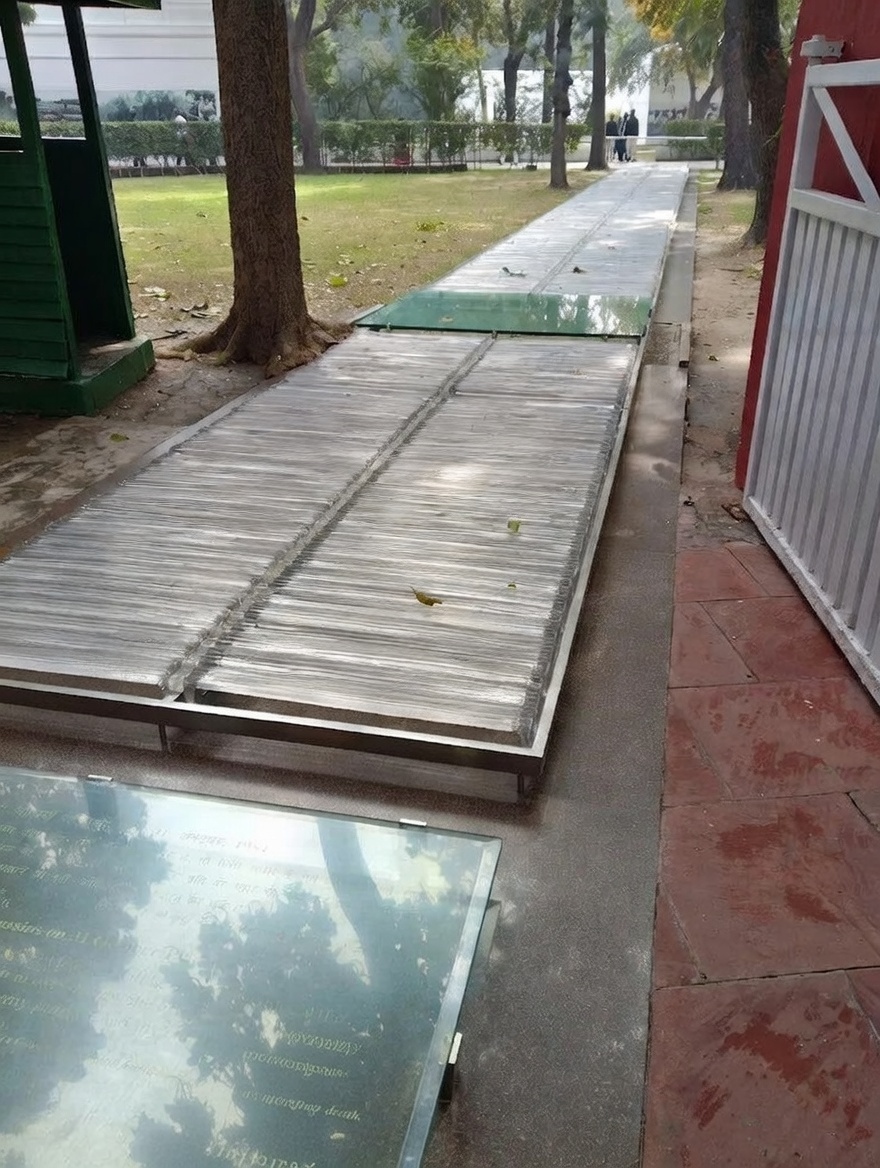
Photos traced her life from childhood to adolescence, adulthood, and her time in office. There were images of her family, her sons and daughters-in-law, and even her grandchildren. Framed newspaper cuttings detailed significant moments of her prime ministership. Snippets of her famous speeches were displayed, offering a glimpse of her public persona and leadership style. I paused for a moment in front of the saree she wore on the day of her assassination. Her handbag and footwear from that day were also on display. The exact spot where she was assassinated had been carefully preserved, with a crystallised path marking her last steps and a glassy spot denoting where she fell. Standing there, I felt a mix of sorrow and respect.
The museum also honours her son, Rajiv Gandhi. His clothes, accessories, and personal items from the day of his assassination in Sriperumbudur in 1991 were displayed. There were framed newspaper cuttings and photographs documenting his childhood, family life, and tenure as Prime Minister. Even the computers and telephones they used were carefully preserved. Walking through these exhibits, it became clear how deeply personal and national history are intertwined in this place.
Security was visible but unobtrusive, allowing visitors to explore freely while maintaining order. The roads leading to the museum were in excellent condition, making access smooth and pleasant. I also noticed a small commercial shop on the premises, offering books and souvenirs, which added a practical touch without disturbing the solemn atmosphere.
The entrance to the museum is free. It was heartening to see many visitors showing genuine respect, although I could not help but reflect on how civic sense varies widely. Some treat such sites with deep reverence, while others might undervalue them if there were an entry fee. Still, the overall experience was moving and educational.
Visiting the Indira Gandhi Memorial Museum is more than a tour. It is a journey through India’s modern political history, a personal look at the lives of two influential Prime Ministers, and a quiet moment of reflection on the sacrifices they made.
Subscribe Deshwale on YouTube
