



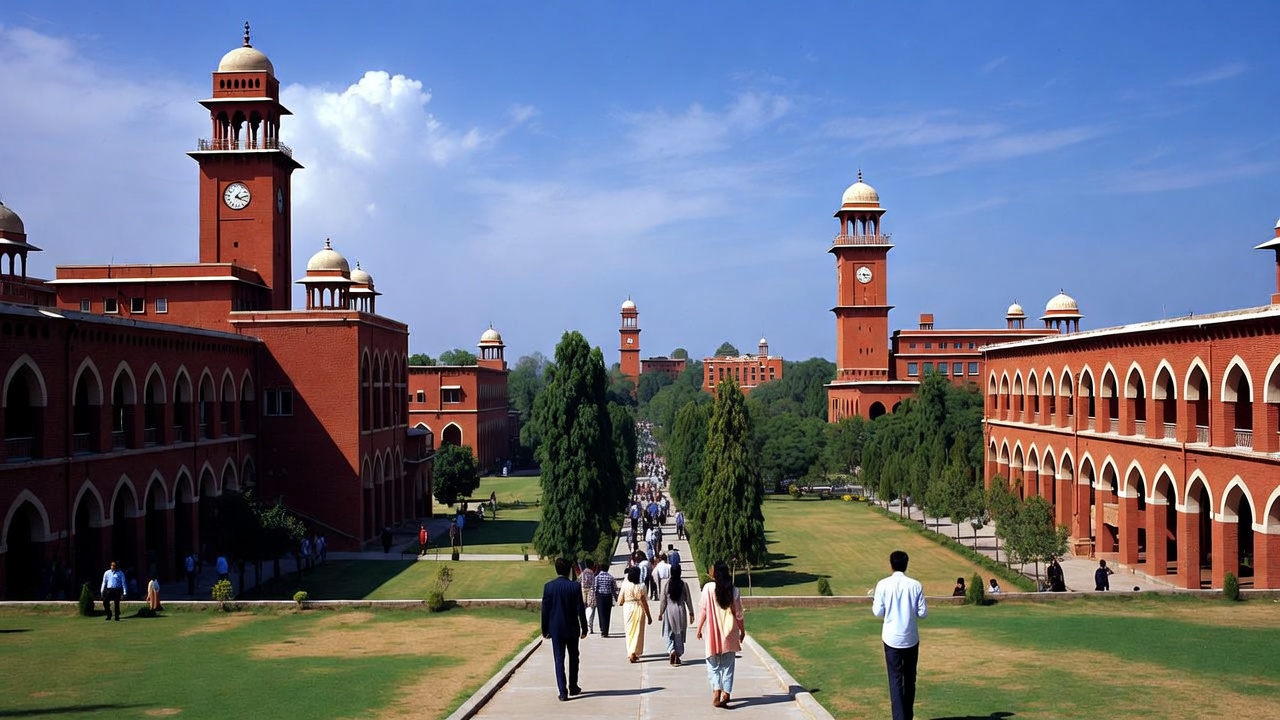
Several leading universities from the United States and the United Kingdom are now opening offshore campuses in Mumbai in areas such as Powai and Vikhroli. This move reflects the growing demand for international-standard higher education within India and aims to cater to students seeking global degrees without leaving the country. The programmes cover a wide range of disciplines, including business management, computer science, engineering, and liberal arts.
One of the main advantages of studying at these Indian campuses is the lower overall cost compared to studying at the home campuses abroad. Tuition fees, admission charges, and accommodation costs are generally expected to be cheaper than the fees charged in the US or UK. This may allow more Indian students to access high-quality education that was previously affordable only to a small segment of society.
Illinois Tech’s online prospectus, for example, declares that the annual fee for the four-year undergraduate programme is Rs 16 lacs and the fee for graduate programmes is Rs 20 lacs annually. Britain’s University of Aberdeen and University of York are some of the Western universities with Indian campuses.
Foreign universities also plan to invite international faculty to teach at these campuses. While some courses may be delivered by visiting professors from the parent universities, the majority of faculty will likely be local hires with Indian or international experience. The faculty’s racial and national makeup is expected to be diverse but will lean towards the host country, given the logistics and cost constraints of relocating large numbers of foreign professors permanently.
The establishment of Indian campuses is partly a response to growing concerns over anti-immigrant sentiment and visa restrictions in traditional study destinations such as the US and UK. Many Indian students face difficulties obtaining long-term visas or work permits after graduation. Studying in India allows students to benefit from a foreign curriculum while avoiding these uncertainties.
From the universities’ perspective, offshore campuses also represent a cost-cutting and expansion strategy. Running a campus in India is cheaper than operating large facilities in the US or UK. These campuses allow foreign universities to reach a larger student base, increase enrolment, and tap into India’s growing education market. However, questions remain about whether the Indian campuses can match the beauty, cleanliness, and spaciousness of their parent campuses abroad. While infrastructure investments are planned, it may be challenging to replicate the exact campus experience of universities like Oxford, Cambridge, or Stanford.
The education offered at these campuses is expected to follow the parent university’s curriculum closely. Courses, syllabi, and evaluation methods will largely mirror those at the home campuses. Students may also have opportunities to participate in short-term exchange programmes or internships abroad, bridging the gap between the offshore and main campuses.
Some experts speculate that the trend of opening Indian campuses is also influenced by geopolitical and socioeconomic concerns in the West. Elite institutions may be hedging against potential economic or social challenges in their home countries, ensuring access to a reliable student base in emerging markets like India.
Another aspect worth considering is the possible influence of Western cultural and political trends. Critics suggest that these Indian campuses could further entrench woke politics and gender politics of the West within India’s student community, further influencing the gender climate in India. Policies, classroom discussions, and campus guidelines may reflect cultural norms from the US and UK, potentially shaping debates on gender, identity, and social issues among Indian students.
Critics, however, caution that offshore campuses may not provide the full immersive experience of studying abroad. Networking, cultural exposure, and campus life in the US or UK are difficult to replicate. Additionally, the quality of teaching, access to research facilities, and faculty engagement may vary between the home and Indian campuses.
In conclusion, the arrival of US and UK university campuses in Mumbai offers Indian students a unique opportunity to access world-class education at lower costs and with fewer immigration risks. At the same time, students should carefully consider the differences in campus life, faculty composition, cultural exposure, and the potential influence of Western social and political norms. The success of these campuses will depend on balancing global academic standards with local realities in India.
Subscribe Deshwale on YouTube
