



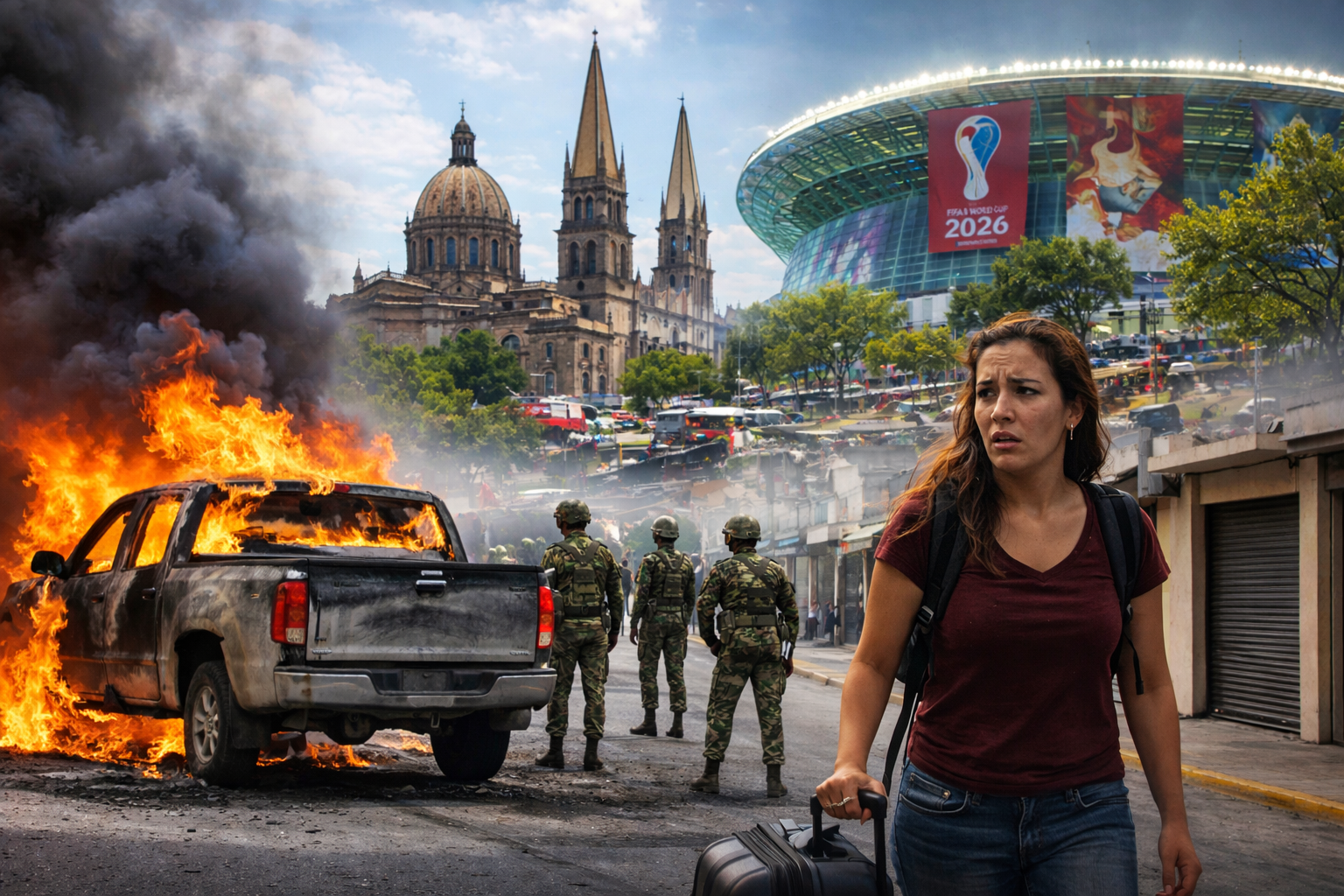
The death of one of Mexico’s most powerful drug lords has thrust Jalisco state back into chaos and exposed the fragile line between security gains and economic pain. Nemesio Oseguera Cervantes, better known as El Mencho, leader of the Jalisco New Generation Cartel (CJNG), was killed in a military raid on February 22, 2026, in Tapalpa, a hilly area about two hours from Guadalajara. According to Mexico’s Defense Ministry, he was wounded in a shootout and died while being flown to Mexico City. Within hours, cartel members launched a coordinated revenge spree. Roads were blocked in more than 20 states with burning vehicles. Supermarkets, banks, and cars went up in flames. Clashes left at least 25 National Guard members dead in post-raid attacks in Jalisco, with total fatalities in the operation and immediate aftermath reported between 62 and 74 people—including suspected cartel members and at least one civilian—per Mexican security officials and major news outlets. A prison break at a low-security facility in Puerto Vallarta freed 23 inmates, authorities confirmed.
Mexican authorities responded swiftly. Some 10,000 troops have been deployed nationwide, including an extra 2,500 to Jalisco, as stated by Defense Secretary Ricardo Trevilla Trejo and Security Minister Omar García Harfuch. Yet the immediate damage to daily life and commerce is clear. Schools closed. Public transport stopped. Many businesses pulled down shutters. Residents in Guadalajara queued for basic supplies at the few open shops. Tourists in Puerto Vallarta sheltered in hotels as plumes of smoke rose over the bay. Travel warnings were issued by the United States, Canada, Britain, and Australia.
Tourism hubs feel the sharpest blow
Guadalajara, host city for four matches at the 2026 FIFA World Cup, suddenly found itself on edge. The city had been counting on the tournament to deliver about one billion dollars in revenue and up to 7,000 new jobs, mostly in tourism and construction, according to pre-event economic projections. Plans were under way to add 12,000 hotel rooms. That momentum now looks at risk amid the unrest. Local reports noted dozens of cancellations in a single day, with some visitors cutting trips short. The image of a World Cup venue turning into a scene of burning barricades is not easily shaken off.
Puerto Vallarta, the state’s crown jewel resort, suffered even more visibly. The town welcomed nearly seven million passengers through its airport last year and posted a 71 per cent hotel occupancy rate in 2025, helping drive Jalisco’s record 33.9 million visitors and 76.6 billion pesos in tourism income. Over the weekend, however, Air Canada, United Airlines, and Aeroméxico cancelled dozens of flights. Hundreds more services to both Puerto Vallarta and Guadalajara were scrubbed or diverted. Tourists described chaotic scenes at airports. Cruise calls were postponed. Short-term rental platforms saw bookings evaporate. Even a few days of paralysis can wipe out millions of pesos in peak-season earnings for hotels, restaurants, and taxi drivers.
The state’s broader tourism economy, already a vital engine, now faces a sudden liquidity squeeze. Prolonged insecurity could pressure real-estate values and deter the winter crowd that sustains many businesses, analysts have noted. Authorities insist calm is returning in most areas, with some flights resuming and officials emphasizing that normalcy is being restored. Yet the message to would-be visitors remains mixed at best.
Transport and business closures widen the damage
Highways that carry goods across western Mexico became arteries of disruption. Trucking associations advised drivers to return to depots or avoid key routes altogether. Burning vehicles blocked stretches in Guanajuato, Michoacán, and beyond. Supply chains for everything from fresh produce to manufactured parts slowed. Factories in Jalisco, an important hub for electronics and auto components, watched delivery windows shrink. Small retailers who rely on daily restocks reported empty shelves.
The ripple effect is hard to measure in the first 48 hours. Economists warn that extended blockades could shave growth off an already cautious national outlook.
Echoes of the past
Mexico has seen this movie before. When Joaquín “El Chapo” Guzmán was recaptured in 2016, Sinaloa saw factional battles and a clear rise in killings. The 2024 arrest of Ismael “El Mayo” Zambada triggered similar internal war, with homicides in Sinaloa jumping sharply in the following months. Earlier takedowns of Los Zetas leaders produced splinter groups and turf fights rather than peace.
Each episode followed a familiar script: immediate retaliation, road chaos, then a period of fragmentation as lieutenants jostled for control. Whether El Mencho’s death repeats that pattern exactly remains to be seen. Succession struggles inside the cartel are already anticipated by experts.
Impact on distant drug markets
On American and European streets, the consequences may prove more subtle. The Jalisco cartel has been a major force in fentanyl and methamphetamine flows. A leadership vacuum could briefly tighten supply lines and push wholesale prices higher for a few weeks, based on patterns from past crackdowns. During earlier disruptions in northern Mexico, outreach workers in parts of the United States reported sudden jumps in street prices and a drop in purity as dealers stretched limited stock. Users sometimes paid more for smaller doses, increasing risks when stronger batches later returned.
Street-level dealers tend to adapt quickly, switching suppliers or diluting products to protect margins. Past episodes suggest the overall trade rarely stops long-term; rival groups simply step in. European markets, which receive much of their cocaine and synthetics via different corridors, may notice little change beyond possible price volatility. The bigger risk lies in renewed cartel infighting that could, in theory, spill into more desperate trafficking attempts at the U.S. border. For now, intelligence officials say monitoring for any surge in shipments will be intense.
Mexico’s president has promised a swift return to normality. Troops are visible on the streets, and some flights have resumed. Yet the episode underlines a stubborn truth: high-profile operations can deliver political wins but rarely deliver lasting calm without addressing deeper issues. For Jalisco, the coming months will test whether the World Cup spotlight can coexist with the shadow of organised crime. Early 2026 tourism data—and whether international fans still book flights to Guadalajara—will reveal part of the story. The rest will be written in quieter boardrooms and travel agents’ offices far beyond Mexico’s borders.
Subscribe Deshwale on YouTube
