



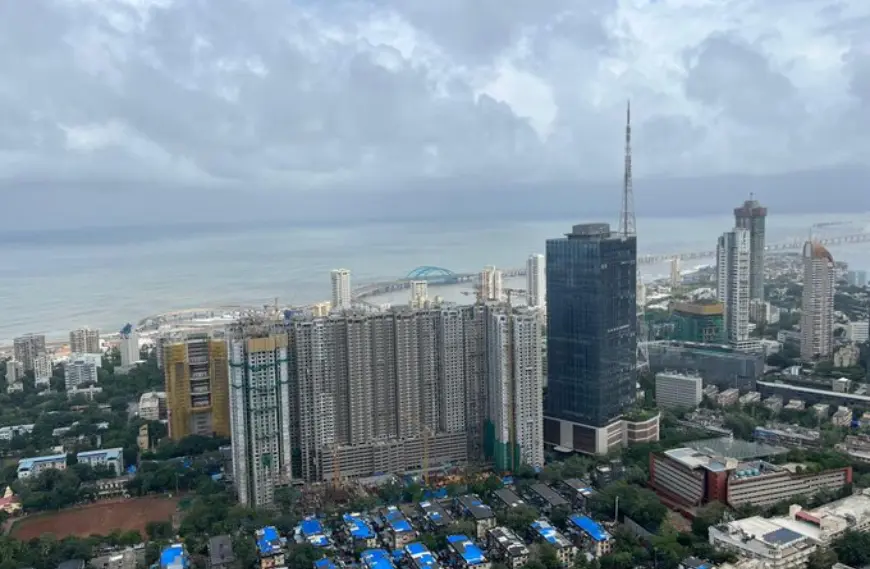
The iconic BDD Chawls of Worli, home to generations of Mumbai families, are slowly giving way to modern high-rise towers. Over 550 families have recently received keys to their new flats as part of the massive BDD Chawl Redevelopment Project, a ₹17,000-crore initiative aimed at upgrading Mumbai’s century-old housing.
While the move represents a significant urban development milestone, it also marks a profound social and cultural shift, reshaping how communities live, interact, and cope with modern city life.
From Close-Knit Chawls to Vertical Living
For decades, chawls offered tight-knit communities, with residents sharing corridors, open terraces, and communal spaces that fostered close social bonds. Children played together in common areas, families knew each other intimately, and festivals were celebrated collectively.
The new 40-storey towers with private flats, elevators, and gated amenities offer comfort, safety, and modern infrastructure. However, residents now face vertical living, which can reduce casual social interactions and community cohesion that chawl life naturally encouraged.
Lifestyle Adjustments and Mental Health
Adjusting to high-rise living is not just physical but also psychological:
- Many elderly residents feel isolated without shared common areas.
- Children and youth must adapt to restricted play spaces and indoor recreation.
- Families moving from 300–400 sq ft chawls to 500 sq ft apartments may experience stress adapting to different layouts and routines.
Resident Nishigandha Bavdekar noted, “We are excited about the new flats, but life here feels different. The corridor chatter, the terrace gatherings, those small joys of chawl life are missing.”
Balancing Modern Amenities and Community Spirit
The redevelopment project promises landscaped podiums, parking, sewage treatment, solar power, and rainwater harvesting, along with MHADA’s 12-year maintenance plan. While these facilities improve living standards, experts emphasize the need to preserve social interaction spaces within high-rises, such as common rooms, playgrounds, and community terraces.
Urban planners argue that modern housing should not only provide infrastructure but also nurture community bonds, mental well-being, and cultural continuity, ensuring residents do not feel disconnected in their new environment.
The Broader Implications
The BDD Chawl redevelopment reflects a wider trend in Mumbai’s urban planning: moving from low-rise, dense communities to vertical, modern housing. While this improves safety, sanitation, and amenities, it also challenges traditional ways of life, requiring policy focus on:
- Integrating shared community spaces in high-rises.
- Supporting residents during the transition period.
- Educating families about vertical living routines and safety.
The shift from chawls to towers symbolizes Mumbai’s urban transformation. For the 550 families who have moved into Wings D & E, the transition is both an opportunity and a challenge: they gain comfort and modern facilities but must adapt to a new social environment.
As one resident summed up, “We now have flats, but the soul of the chawl, the laughter, the gatherings, the familiarity is something we must carry forward ourselves.”
