 Deshwale
Understanding BMC Elections: Everything Citizens Should Know
In brief · AI summary The Brihanmumbai Municipal Corporation (BMC) is Mumbai's local governing body, managing services such as roads, water supply, sanitation, hospitals, and schools. Its elections are held every five years to choose corporators from the city's 227 wards, who make decisions that directly affect citizens' daily lives. Despite their importance, awareness of BMC elections is relatively low.
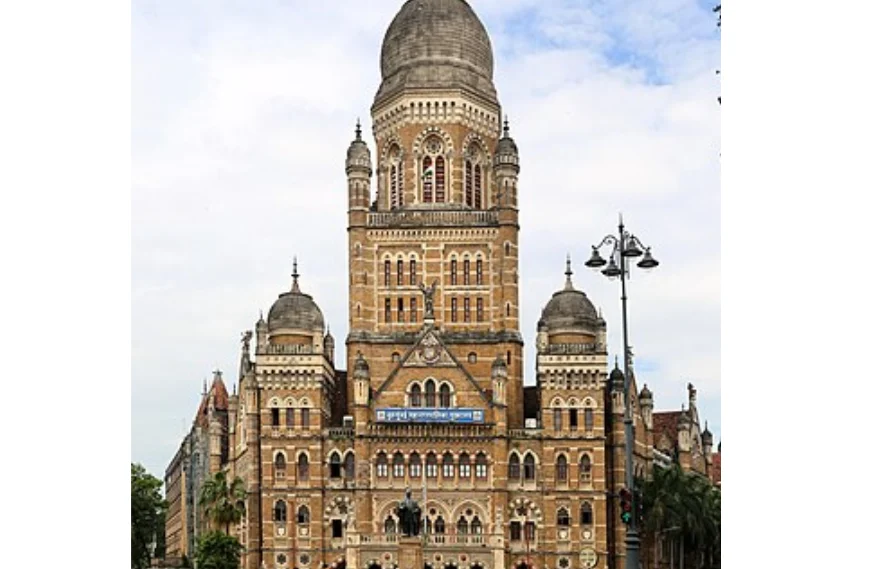
The Brihanmumbai Municipal Corporation (BMC) is the local governing body of Mumbai, the capital city of Maharashtra. It manages the city’s essential civic services, including roads, water supply, sanitation, hospitals, schools, and overall city development. In simple terms, the BMC is responsible for everything that keeps Mumbai running smoothly. Despite its importance, many citizens are unaware of how it functions and why its elections matter.
BMC elections are held every five years to elect representatives called corporators from each of the city’s 227 wards. Each ward elects one corporator, and together they form the BMC. These elected officials make crucial decisions about city infrastructure, public services, sanitation, traffic management, and more. By participating in these elections, citizens have the power to influence how their city is governed and ensure that their concerns are addressed.
The history of municipal governance in Mumbai dates back to 1805, but the BMC as it exists today was formally established under the Bombay Municipal Corporation Act of 1888. Sir Pherozeshah Mehta, widely recognized as the ‘Father of Municipal Government in Bombay,’ played a key role in establishing a structured, democratic system. Over time, the BMC has grown to be India’s richest municipal corporation, with a budget larger than some smaller states, highlighting the importance of its governance for the city’s development.
Over the years, several political parties have won BMC elections, including the BJP, Shiv Sena, Congress, and NCP. Election outcomes in the BMC often reflect the popularity of parties at the local level and can influence state and national politics. However, unlike national elections, BMC elections depend heavily on local issues, candidate credibility, voter engagement, and effective governance, which makes them unique and extremely relevant to the city’s residents.
BMC elections are particularly important because they directly affect daily life. Corporators make decisions about fixing roads, managing traffic, improving public healthcare, building schools, and developing city infrastructure. Citizens can hold these leaders accountable for their work, ensuring that public priorities are addressed. Despite this, awareness about BMC elections is relatively low, and many citizens may not realize how much impact their vote can have on city life.
BMC elections determine who will manage Mumbai for the next five years. They are an opportunity for citizens to choose leaders who can improve services, plan better infrastructure, and make life better for everyone in the city. Understanding the BMC, its history, functions, and the significance of its elections helps ordinary citizens actively participate in shaping the future of Mumbai. These elections are not just a political exercise, they are the foundation of effective city governance.