



Where the Mediterranean sparkles against Lebanon’s coast, Byblos (modern Jbeil) stands proud. This ancient city has lived for over 7,000 years. It is where the alphabet first emerged and changed humanity forever.
A City of Trade and Timbers
Byblos has been lived in since 5000 BCE. It grew with the dawn of sea trade. By the third millennium BCE, it became a hub for Phoenician commerce. Timber, wine, and purple dye left its shores for distant lands. Its name even gave birth to the word “Bible,” because papyrus once travelled through this port to Greece.
Birthplace of the Alphabet
Here, Phoenician scribes crafted the world’s first alphabet. They simplified the symbols of cuneiform and hieroglyphs into easy letters. This breakthrough spread far and wide. It became the parent of Greek, Latin, Arabic, and most scripts we use today. Writing was no longer for elites alone. Knowledge became open to all.
Stones of Gods and Kings
Byblos was home to the Temple of Baalat Gebal, the city’s patron goddess. Kings ruled under her watch, even minting early coins. Egypt carved hieroglyphs here, while Assyrians, Persians, and Greeks left their marks too. Empires came and went, but Byblos never lost its light.
Byblos Today
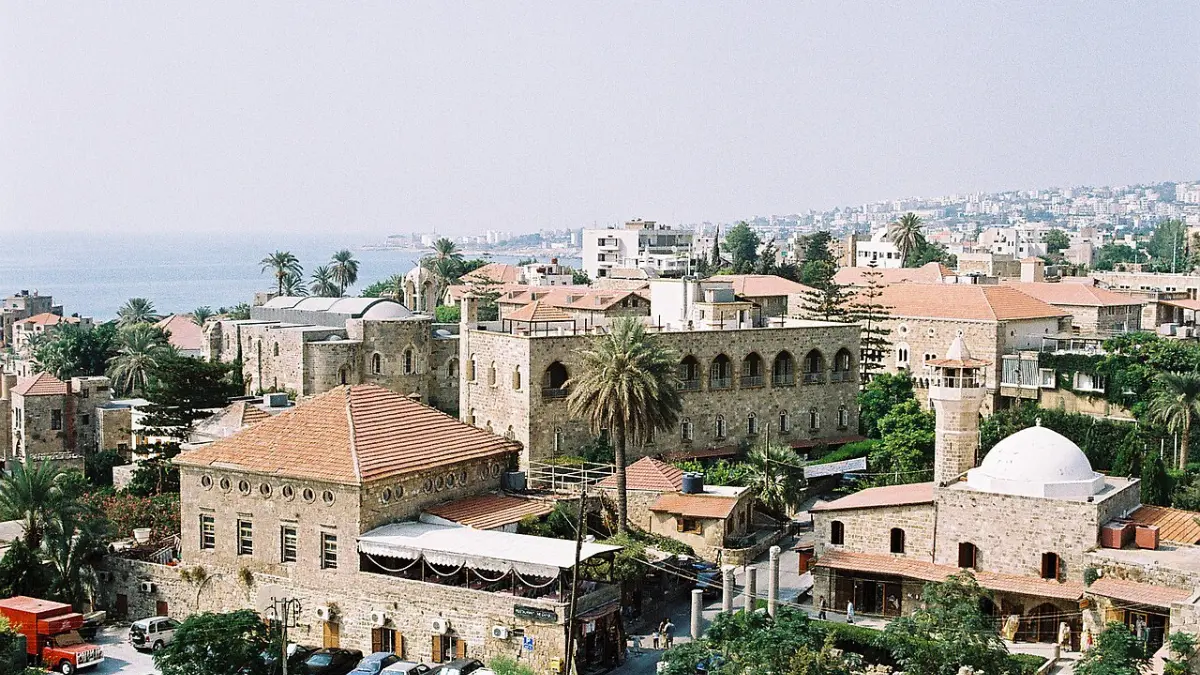
Now, fishermen mend nets in its harbour. Roman columns stand by Crusader fortresses. Markets hum where traders once sold papyrus and purple dye. UNESCO calls it a World Heritage site for its unmatched past.
A Walk Through Time
Byblos is more than ruins. It is a living book, where stones whisper of traders, kings, and scribes. To walk its streets is to step into the birthplace of writing itself.
