




Growth Soars Amid Policy Push
India’s electric vehicle market is on an impressive growth path. In FY 2025, EV sales touched nearly 2 million, reflecting a 17% rise over the previous year. This surge is driven by strong government support and favourable policies. Schemes such as FAME II have been instrumental in encouraging EV purchases across segments. Since its launch, over 1.6 million vehicles have been supported under this scheme, with incentives worth ₹11,500 crore disbursed.
Such policies have not only increased sales but also pushed manufacturers to expand production capacity. As EV adoption rises, India is moving closer to its target of reducing dependence on fossil fuels and cutting emissions significantly.
EV Segments and Market Leaders
Two and three wheelers dominate the Indian EV market. Electric two wheelers account for over 50% of sales while three wheelers hold nearly 36%. These affordable options have encouraged wider adoption among middle income groups and small businesses.
Passenger EVs are also growing steadily. Tata Motors leads the market with popular models such as the Nexon EV and the newly launched Harrier.ev. Other players like MG, Mahindra, BYD and Citroën are competing with their own electric offerings. Fleet operators and cab services are increasingly shifting to EVs, further boosting demand.
Charging Infrastructure Expands, Yet Lags Demand
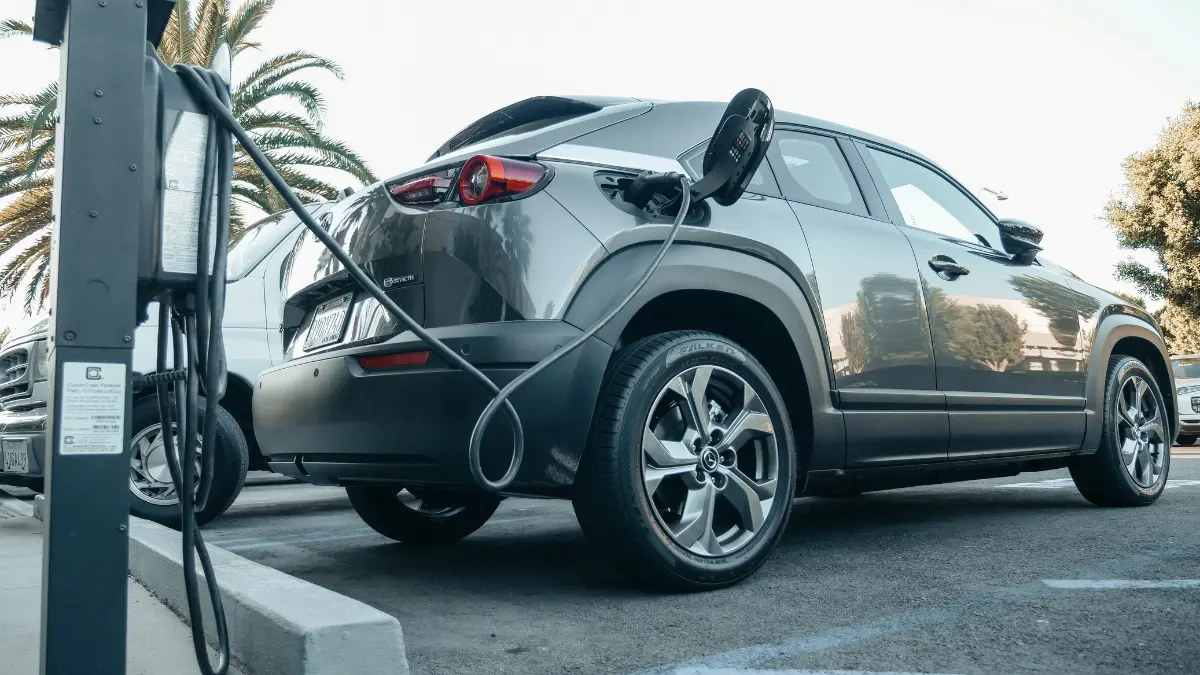
Charging stations are critical to EV success. India has seen a fivefold rise in public chargers since FY 2022. By mid 2025, over 26,000 public charging points were operational across the country. However, this expansion is still inadequate when compared to the rapid increase in EV numbers.
The current ratio stands at one charger for every 235 vehicles, creating challenges for long distance travel. Range anxiety remains a major concern for many potential buyers, particularly in smaller towns and semi urban areas. Addressing this gap is vital for sustaining growth.
Major Charging Initiatives
Automakers and governments are tackling this challenge. Tata Motors aims to expand its charging network to over 400,000 points using its Mega Charger network across 500 sites. This move is expected to reduce wait times for users significantly.
Delhi has introduced plans for fast charging stations every 5 km on main roads. Similarly, Uttar Pradesh has announced the setup of 300 new charging stations under its EV manufacturing policy. Such state level initiatives are critical in spreading EV adoption beyond major metro cities.
State-Level EV Pushes
States are competing to lead in EV adoption and manufacturing. Uttar Pradesh tops the list in registrations, surpassing Delhi and Maharashtra. Its affordable electric rickshaws contribute to 85% of its EV sales. The state has set a target of attracting ₹30,000 crore in investment and creating 1 million jobs through its EV policy.
Tamil Nadu and Karnataka are also emerging as strong EV manufacturing hubs. Their policies offer land subsidies, tax incentives, and infrastructure support. These efforts are attracting global and local companies to set up plants, boosting regional economies while supporting India’s broader EV vision.
Challenges: Range Anxiety and Battery Supply
Despite positive momentum, several hurdles remain. Limited charging stations lead to range anxiety for many users. Urban areas are seeing progress, but rural and semi urban regions lag behind.
Battery supply is another challenge. The global shortage of rare earth magnets recently impacted production for electric two wheelers. India’s battery manufacturing capacity is still developing, though it is growing under the government’s Production Linked Incentive schemes. Building a fully localised supply chain is key to reducing costs and ensuring long term stability.
Auto Expo Momentum and New EV Models
Auto Expo 2025 showcased India’s EV ambition. Automakers unveiled several new models with improved range and advanced features. Tata launched the Harrier.ev, offering a 600 km range on a single charge. Ola, BYD, and Mahindra also presented their latest EV offerings.
Such events generate consumer excitement and attract investments. The growing competition among automakers is expected to drive innovation and bring down costs, making EVs more accessible.
Why It’s Trending Now
The EV conversation is heating up because of visible progress. Policy measures have moved from announcements to action. Charging stations are coming up across states, and vehicle choices are expanding. At the same time, global trends in clean mobility and rising fuel prices add urgency to the shift.
With growing demand and infrastructure development, EVs are no longer just a niche option. They are becoming central to India’s clean energy transition and urban transport plans.
Opportunities for Growth
The global EV market is projected to grow rapidly in the coming decade. India’s own market presents huge potential with its young population and increasing urbanisation. By strengthening its supply chains and building local battery production, India can become a major EV hub.
Moreover, incentives for domestic manufacturing are attracting global players to set up plants in India. This will not only reduce import dependence but also create jobs and spur economic growth. As battery technology improves and costs fall, adoption is likely to accelerate even faster.
India’s electric vehicle market is no longer just a vision. It is growing steadily with sales surging, policies evolving, and infrastructure expanding. However, challenges like charging access and battery supply must be addressed quickly.
If policymakers, manufacturers, and investors work in tandem, India can build a strong EV ecosystem. This will make EVs affordable, convenient, and practical for all. While hurdles remain, the current momentum indicates that EVs in India are more than a trend. They are shaping into a lasting transformation for transport and clean energy.
