




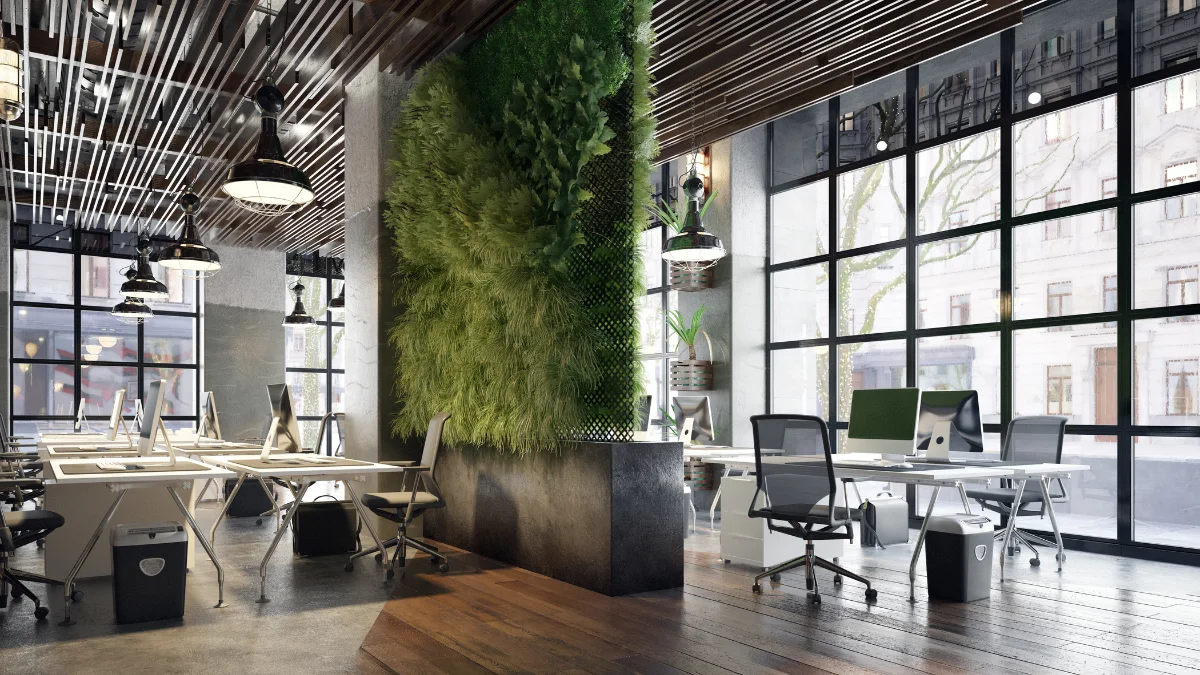
In modern India, work is no longer defined by cubicles, fixed desks, or long commutes. The nation’s rapid economic growth has created a demand for adaptive work environments that match its ambitious vision. Flex Office, a concept gaining momentum across cities like Bengaluru, Mumbai, Pune, and Hyderabad, is transforming how businesses and employees interact with workspace. It is more than just a trend; it represents India’s shift towards flexibility, innovation, and employee well-being.
Flex Office provides businesses with ready-to-use workspaces, including private cabins, meeting rooms, collaborative lounges, and support services, all without long-term lease commitments. This flexibility allows companies to scale up or down according to their needs, saving both time and capital. Unlike traditional office spaces, Flex Office focuses on adaptability, comfort, and technology-driven management to ensure a seamless work experience.
How Flex Office Works
A Flex Office operates on a simple principle: workspaces follow people, not the other way around. Employees book desks, private cabins, or meeting rooms through an integrated digital platform. Access is often available 24/7 via mobile apps or smart cards, making it convenient for hybrid teams or businesses with varying schedules.
Inside a Flex Office, employees find high-speed internet, modern furniture, collaborative zones, and even recreational areas. Administrative tasks, security, cleaning, and utilities are managed by the provider, freeing businesses to focus on core operations. Advanced analytics and space management tools allow operators to optimise occupancy, predict demand, and improve productivity.
Why Flex Office is Growing in India
India has emerged as a global leader in flexible workspaces. The Flex Office model is expanding rapidly due to hybrid work trends, startup culture, and multinational firms seeking scalable solutions. Major urban centres have already seen a significant uptake of flexible offices, and the market is projected to surpass 100 million square feet by 2026.
Businesses choose Flex Office to lower real estate costs, access high-quality infrastructure, and support employee satisfaction. For startups and small companies, it provides a professional environment without large upfront investment. For large enterprises, it offers satellite hubs or flexible zones that complement permanent headquarters. This adaptability is helping India maintain its position as a competitive and innovative workplace destination.
Difference from Coworking and Desk Sharing
Flex Office is often confused with coworking or desk-sharing, but there are key differences. Coworking spaces are generally open, shared environments that promote community networking. Desk sharing, or hot desking, allows employees to rotate desks within a fixed office. Flex Office combines the best of both worlds by providing dedicated private areas while maintaining flexibility in usage and design. It allows teams of all sizes to operate efficiently, giving businesses control over their space without compromising adaptability.
Daily life in a Flex Office is structured yet flexible. Employees can choose spaces that suit the day’s tasks, whether collaborative meetings or focused individual work. Smart booking systems and sensors track desk availability, helping avoid overcrowding and ensuring safety. Additional tools such as virtual reception systems, IT support, and meeting room scheduling enhance convenience. This combination of physical space and digital management makes Flex Office an ideal environment for productivity and innovation.
Flex Office is suitable for a wide range of businesses. Startups and SMEs benefit from cost-effective, scalable infrastructure. Large corporations use it for project teams, R&D units, or hybrid work arrangements. Flex Office allows rapid expansion or downsizing without the traditional constraints of long-term leases, making it especially useful in uncertain business climates.
However, sectors that require high confidentiality, heavy equipment, or specialised infrastructure may find full adoption challenging. In such cases, a hybrid model combining traditional offices with Flex Office spaces often works best.
Technology and Tools Enabling Flex Office
Technology is central to Flex Office operations. Cloud-based management platforms, IoT sensors, and mobile apps enable seamless desk bookings and occupancy tracking. Communication tools like video conferencing software and collaboration apps integrate teams across locations. Analytics tools provide insights into workspace usage, helping operators optimise layouts and support sustainability initiatives.
These technologies not only make daily operations smooth but also help companies make data-driven decisions about workforce and real estate strategy.
Challenges, Considerations and Future
While the benefits of Flex Office are clear, challenges remain. Cultural adaptation is critical, as some employees may prefer assigned desks. High-demand periods can limit space availability, and sensitive industries must consider security and privacy. Cost structures should also be evaluated; long-term heavy occupancy may make traditional offices more economical in some scenarios. Proper planning, clear policies, and employee orientation are essential for successful implementation.
Flex Office is reshaping India’s workplace culture. It reflects a move towards smarter, more adaptive, and employee-focused work environments. The model supports hybrid work, encourages collaboration, and reduces operational burdens. As Indian businesses continue to innovate, Flex Office will play a pivotal role in creating sustainable, scalable, and efficient workplaces.
For employees, it offers freedom, comfort, and a sense of control over their work environment. For employers, it ensures productivity, flexibility, and a competitive edge in talent attraction. Flex Office represents the future of work in India, a future where spaces evolve with people and the nation’s vision for growth is matched by the way we work.
Also read: The Shadow Shift: How Moonlighting Became India’s Workplace Obsession
Subscribe Deshwale on YouTube
