 Deshwale
Controversy on Screen: Why HAQ Is Facing Legal Hurdles
In brief · AI summary The Bollywood film HAQ, inspired by the 1985 Mohd. Ahmed Khan v. Shah Bano Begum case, faces a petition from Shah Bano Begum's daughter, Siddiqua Begum Khan, who argues that it uses her mother's story without consent and seeks a stay on its release scheduled for 7 November 2025. The petition, filed at the Indore bench of the Madhya Pradesh High Court, alleges privacy violation and misrepresentation, while the film's producers say it is only "inspired by" the case and carries a disclaimer that any similarity is "coincidental." The court has reserved its order, so the film's release remains uncertain.
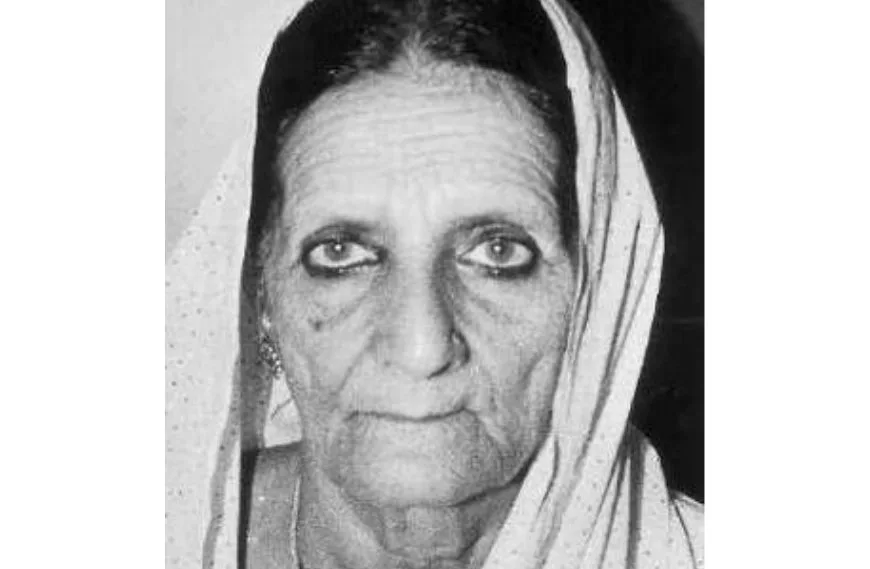
The upcoming Bollywood film HAQ, inspired by the landmark Mohd. Ahmed Khan v. Shah Bano Begum case from 1985, has hit turbulence just weeks before its slated release on 7 November 2025. The film stars Yami Gautam Dhar and Emraan Hashmi, but its journey to the big screen is now tangled in a legal web of allegations and rights contests.
At the heart of the dispute is a petition filed by Siddiqua Begum Khan, daughter of Shah Bano Begum. She argues that the film uses her mother’s personal story without consent and portrays it in a way that distorts events and harms the family’s reputation. The petition, submitted at the Indore bench of the Madhya Pradesh High Court, seeks a stay on the film’s release on grounds of privacy violation and misrepresentation.
During the hearings, the court heard arguments that the teaser and trailer of the film referenced identifiable events and characters linked to Shah Bano’s life namely, her quest for maintenance after divorce and the broader sociolegal impact of her case. The daughter’s legal team argues that even though the film carries a disclaimer claiming it is a ‘fictionalised adaptation’, the resemblance to real persons and their experiences triggers liability under the right to privacy and personality rights.
The film’s producers counter that HAQ is not a strict biopic but a work ‘inspired by’ the 1985 Supreme Court judgement namely the Shah Bano case and a book titled Bharat ki Beti. They point to the presence of a formal disclaimer stating that all characters and events are dramatized and any similarity is ‘coincidental.’
This legal clash brings into sharp relief several important issues: the rights of people whose lives are adapted into films; the line between inspiration and portrayal; the rights of heirs in controlling representation; and how the Cinematograph Act and certification by the Central Board of Film Certification (CBFC) interact with such claims. One key legal question raised is whether the expectation of privacy and personality rights continue after a person’s death and whether their heirs can object to depiction without consent.
The court has reserved its order. Until the bench of Justice Pranay Verma issues judgment, the fate of HAQ’s release hangs in the balance. The case also brings to light how films that draw on real-life events need to navigate both creative freedom and legal safeguards.For the film industry, this is a cautionary tale: the path from inspiration to screening is not just cinematic, it’s legal, social, and personal. The story of Shah Bano, once a landmark for women’s rights in India, is now echoing as a test case for how storytelling meets justice.
Subscribe Deshwale on YouTube