





By: Hiren Gandhi
Hanoi, Vietnam – Vietnam’s most celebrated festival, the Lunar New Year, popularly known as Tet or Tet Nguyen Dan, is often compared to India’s Diwali in terms of cultural significance and familial warmth. For Vietnamese people, Tet represents the festival of lights, new beginnings, family bonds, and fresh hopes – the very essence of their culture, much like Diwali does for Indians. In 2026, Tet falls on 17th February, marking the Year of the Horse, and the celebrations will see people bidding farewell to the old year while welcoming the new one with prayers, joy, and togetherness.
The festival is deeply rooted in family, nature, and hope. Homes are cleaned thoroughly, people wear new clothes, and houses are adorned with peach blossoms (Hoa Dao) and lucky kumquat trees. Families greet each other with the traditional phrase “Chuc Mung Nam Moi” – Happy New Year. A unique tradition during Tet is that every child ages a year on the same day, symbolically allowing the whole family to grow together. Tet has origins dating back thousands of years to the farmers of the Red River Delta and marks both the arrival of spring and the end of the harvest season. While it carries some Chinese influence, Vietnamese people have made Tet distinctly their own, with ancient kings historically celebrating the festival through grand ceremonies.
Tet blends joyful celebrations with sacred rituals. Fireworks light up the skies, dragon dances animate the streets, and flower markets brim with vibrant colours. Families offer fruits and special cakes to ancestors at home altars, pay respects to the Kitchen God, and visit temples seeking blessings for health, prosperity, and happiness. Travel peaks during Tet as families reunite, markets bustle with activity, and the festival gives a significant boost to the economy. At its core, Tet symbolizes hope, renewal, and unity.
The preparations begin weeks in advance, with home cleaning, new clothes shopping, and special dish preparations. New Year’s Eve is celebrated with a family dinner and fireworks, followed by visits to relatives on the first day. Children receive “Li Xi” – lucky money in red envelopes – while the subsequent days are spent enjoying street fairs and dragon dances, fostering an atmosphere of peace and goodwill. Sweets are an integral part of Tet, including Mut Tet (candied fruits), sweet Banh Tet (sticky rice cake with mung beans and banana), coconut candies, and nutty nougat.
Vietnam’s Indian community, numbering around 25,000 across cities like Hanoi, Ho Chi Minh City, and Da Nang, participates actively in Tet festivities. Indian businesses and restaurants thrive here, with over 120 Indian eateries across major cities. Many Indians celebrate Tet alongside their Vietnamese friends, buying flowers, enjoying fireworks, and embracing the festival’s spirit. Hanoi, in particular, maintains strong cultural ties with India, highlighted by institutions like the Swami Vivekananda Cultural Centre and a Bodhi tree gifted by India in 1959 at Trấn Quốc Pagoda. Buddhism, originating from India, continues to link the nations spiritually, with Vietnamese Mahayana traditions reflecting Indian influences.
Beyond culture, India and Vietnam share a robust Comprehensive Strategic Partnership since 2016. Bilateral trade crossed $17.46 billion in 2025, defence cooperation is growing through joint exercises like VINBAX, and tourism flourishes with over 500,000 Indians visiting Vietnam annually.
Tet mirrors many Indian traditions, especially Diwali, in family reunions, ancestor worship, home cleaning and decorations, special foods and sweets, and exchanging greetings or gifts. For Indians living in Vietnam, Tet feels both familiar and heartwarming. As Hiren Gandhi, Secretary of IBF and Brand Ambassador of Namaste Hanoi, notes, Tet is not just a festival but the heartbeat of Vietnam, bringing love, joy, and togetherness. Experiencing Tet allows visitors to feel the universal spirit of family, renewal, and celebration.
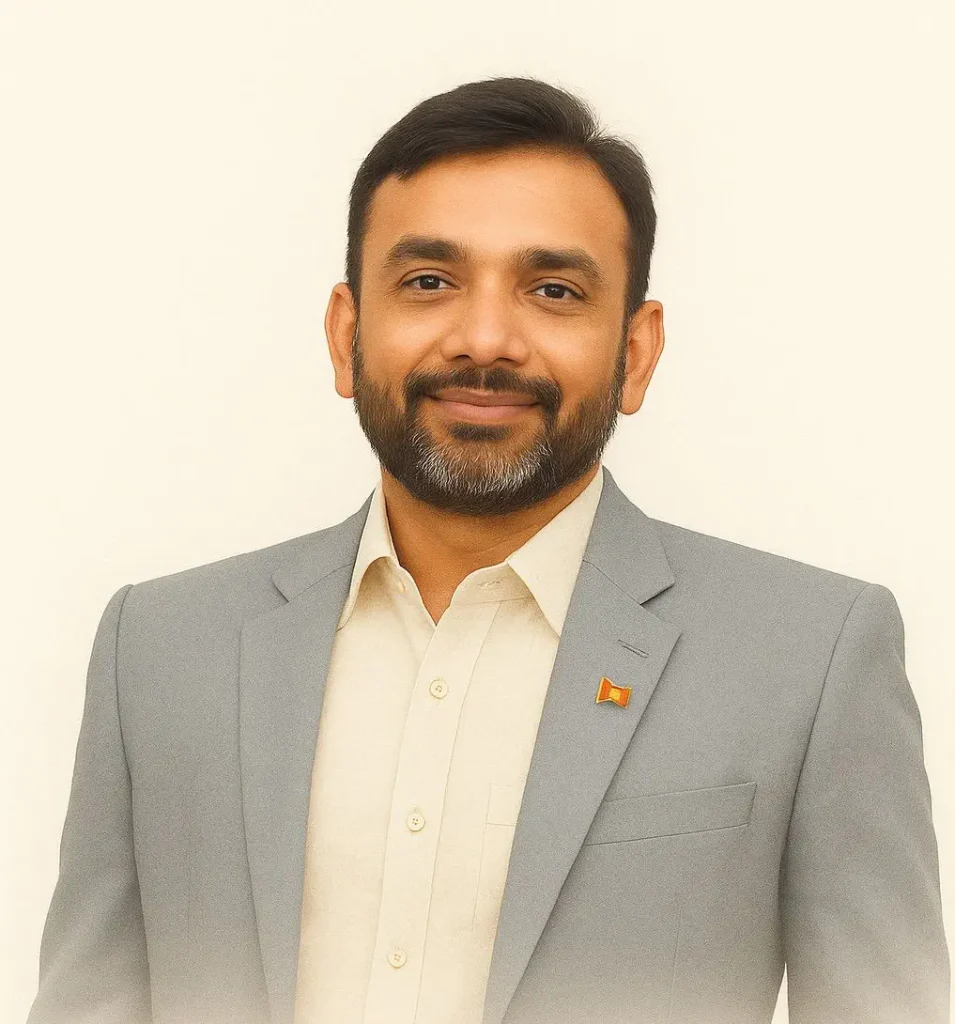
Secretary — InGlobal Business Foundation (IBF)
Director — ReNis Agro International LLP, Ahmedabad, India
Subscribe Deshwale on YouTube
