





Since the fall of Sheikh Hasina in August 2024, Bangladesh has plunged into severe political, economic, and social instability. Streets have erupted in violence, student protests have surged, unemployment has skyrocketed, and the prices of essential goods like food and fuel have soared. However, this visible turmoil only tells part of the story. Behind the scenes, many international players—including the United States, China, Pakistan, and the European textile lobby—are actively engaged, each trying to leverage the crisis to their advantage.
The United States views Bangladesh as a strategic counterbalance to China and continues to support the interim Yunus government politically. China, on the other hand, aims to capitalize on the chaos by increasing its influence over Bangladesh’s ports and infrastructure, thereby exerting pressure on India’s northeastern region and strengthening its Belt and Road Initiative. Pakistan seeks to revive its 1971 mindset by secretly influencing student groups and political factions. Meanwhile, the European textile lobby applies pressure to protect its interests as Bangladesh’s export sector suffers, benefiting competitors like India, Vietnam, and Cambodia.
Amid these complex dynamics, India has maintained a calm, professional, and strong leadership role. India’s primary goal is not to escalate the crisis but to ensure stability in Bangladesh. On the security front, India’s Border Security Force (BSF) has tightened surveillance along the border, and strict measures have been taken to curb illegal crossings. Open communication channels between India and Bangladesh have remained active, fostering mutual trust and cooperation.
Despite economic pressures, India has chosen a measured approach. It has temporarily suspended transshipment relaxations, reviewed power supply contracts, and sent a clear message that while it will not tolerate unrest, it remains open to collaboration. India continues regular dialogue with all key stakeholders in Bangladesh, including the Yunus government, Awami League, Bangladesh Army, business communities, and civil society—giving it unmatched access compared to other global powers.
Several factors make India the strongest and most reliable actor in the region. Geographically, Bangladesh’s stability is crucial for India’s northeastern security. Economically, India supplies 25% of Bangladesh’s essential imports. The countries cooperate closely on counterterrorism efforts and share a long history of mutual support. Unlike others, India emphasizes partnership over dominance.
Looking ahead, India is focusing on long-term stability by advocating for timely and transparent elections, mediating political settlements, revitalizing the garment industry through cooperative policies, ensuring humanitarian supplies continue uninterrupted, and keeping foreign interference in check.
In summary, while many international actors play their strategic games behind the scenes, India stands out as the most composed, effective, and powerful force working to maintain peace and balance in Bangladesh. India’s strong leadership amid the crisis not only benefits Bangladesh but also secures regional stability in South Asia.
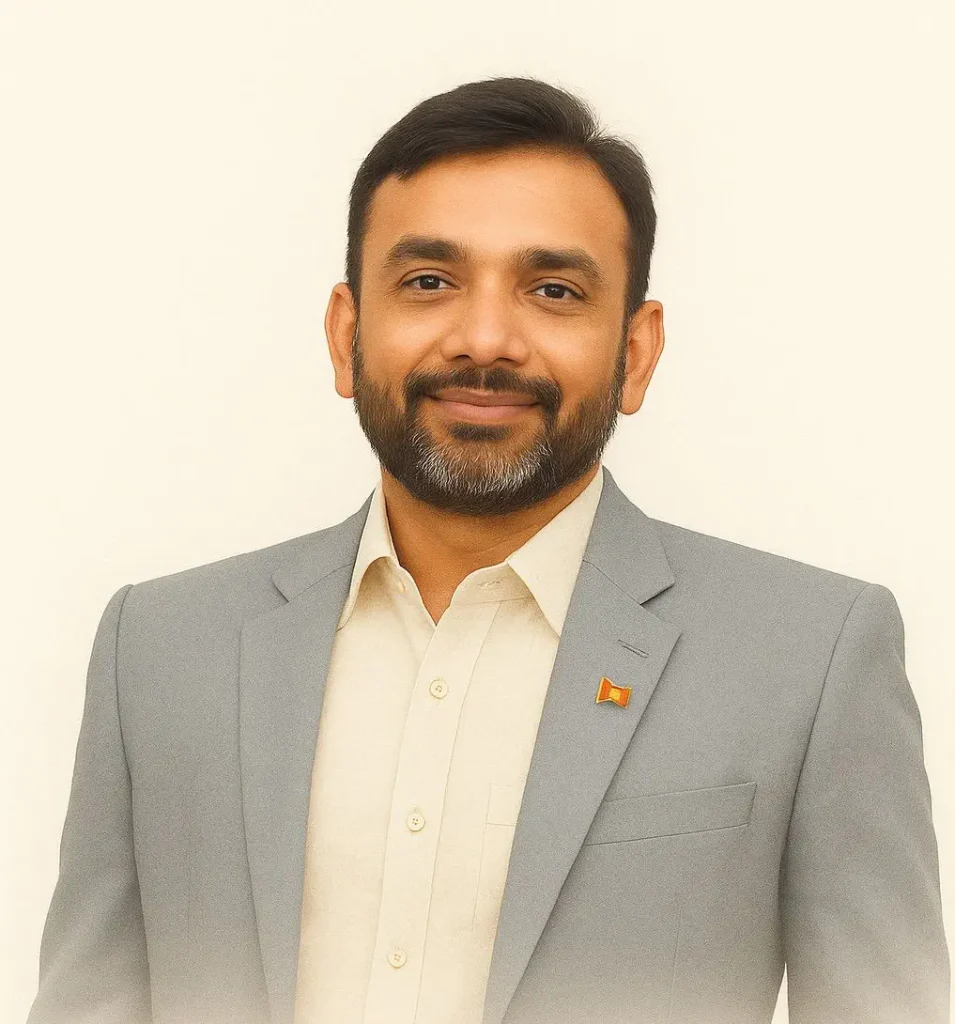
Secretary — InGlobal Business Foundation (IBF)
Director — ReNis Agro International LLP, Ahmedabad, India
Subscribe Deshwale on YouTube
