




She said, “Just add an Indian touch to it and you’re done.”
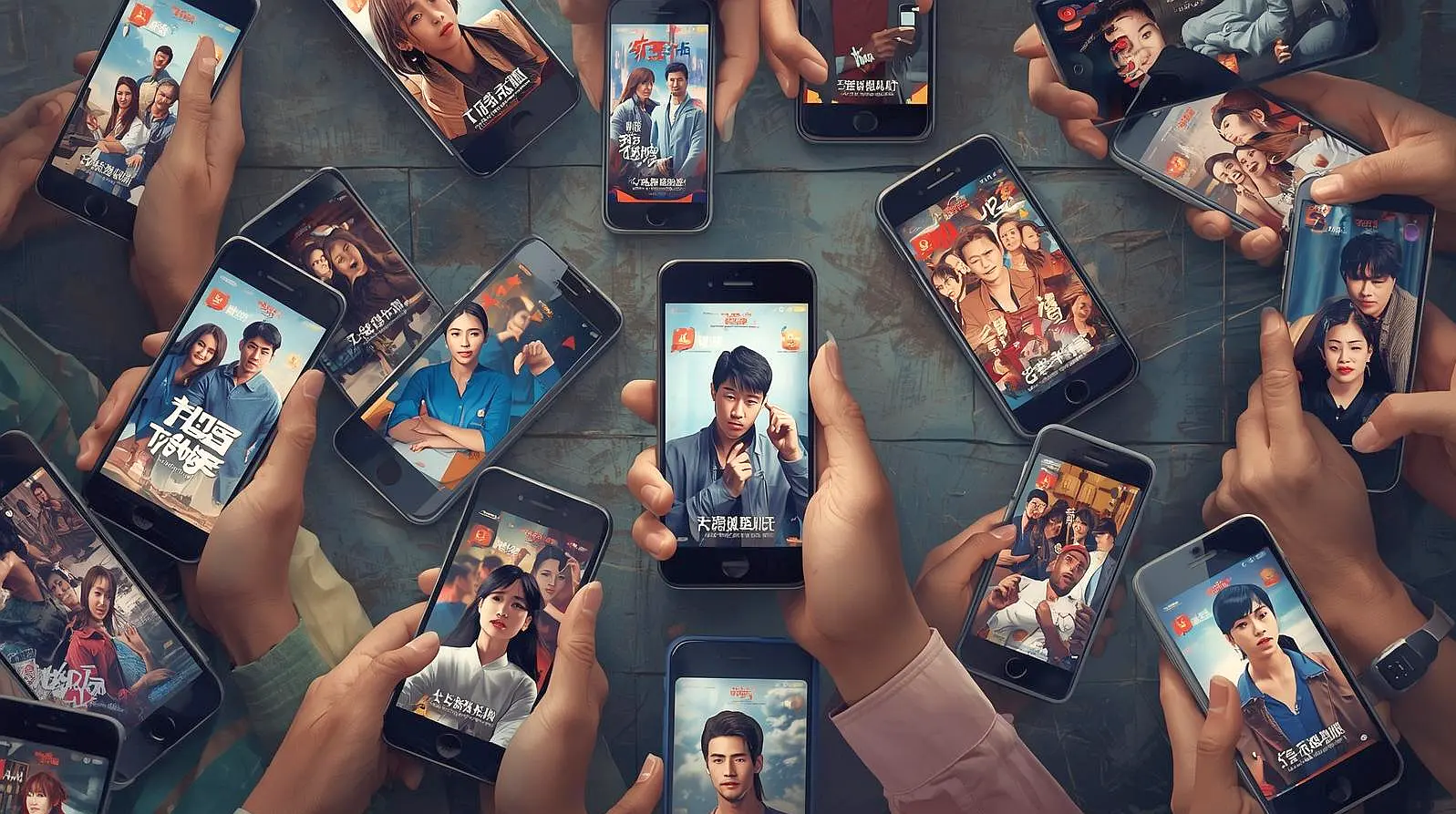
The flood of vertical shows, or microdramas, is rampaging through the entertainment industry like never before. Who would have imagined, just three or four years ago, that capsule-sized episodes, two minutes long, 40–50 in a series, would create such a storm? But it’s happening. Everywhere.
Everyone is either making a vertical show or writing or acting in one. That means a sudden surge of work and opportunities, right? Yes! But the same trend is also snatching creativity away like never before.
The craze began when Douyin, China’s TikTok, triggered an explosion of what they call ‘microdramas’. The scale is staggering: In 2023–24 alone, China’s microdrama industry reportedly crossed ₹25,000 crore in revenue.
Some microdramas in China now earn ₹1–3 crore per day, through subscriptions and in-episode product placements. So TikTok (Global), Korean platforms, Thailand and Vietnam media houses, and even US giants like Snap, Meta Reels, and YouTube Shorts jumped in, aggressively pushing short storytelling formats.
These are now known by many names: short dramas, mini-series, episodic reels, micro-shows, and shoppable storytelling content.
When Indian makers and platforms entered the race to lure viewers, the approach was WRONG from the very beginning. Instead of thinking of what Indians should be served, they simply began copying foreign shows, sometimes by legally acquiring rights, sometimes by ‘smartly borrowing’ without permission.
What are platforms demanding today? “Just add some desi touch, Bharatiya masala… and chhapo-fy the show.”
Then comes the real shock: Producers are expected to shoot an entire vertical series, of 45 episodes, 2-minutes each, in just three days. Yes. Three days flat!
That means a daily output of 30-minutes of finished footage! That’s not just insane, it’s impractical, inhuman, and creatively suicidal.
Compare that with other formats. A big-budget film shoots around 4–6 minutes on a good day. A TV serial, at best, manages 20–22 minutes per day.
And the vertical’s budget?
An average Indian vertical show, all 45 episodes of it – receives just ₹10–15 lakh. If the producer manages to complete the shoot in three days, he may walk away with a profit of only ₹1–3 lakh. If he doesn’t, he loses money.
Isn’t it cruel? Isn’t it too much to ask in the name of content?
Most vertical shows are created in a breathless, frantic rush, shot for 10, 12, even 16 hours a day! Technicians and actors don’t receive a single rupee extra. And how are they convinced?
“Show ke liye itna toh karna hi padega.”
“Teamwork hai. Deadline mein khatam karna padega.”
We Indians are truly bhole-bhale. We stretch ourselves in the name of teamwork.
This flawed working style may have begun when India’s vertical industry took its baby steps, maybe inspired by Chinese efficiency, but we conveniently ignored one fact: China pays for its intensity.
Their production ecosystem is ahead in discipline, planning, scripting, and monetisation.
Ours?
We are winging it, and calling it innovation.
And the Content?
Most Indian vertical shows today are shallow replicas of global content. If you have watched a few, you already know. They lack Indian soul, Indian storytelling, Indian innocence, and Indian finesse.
Another troubling trend: sleaze. Platforms are aggressively running after sexualised content because sex sells, clicks matter, and algorithms reward shock value over substance.
This chaotic, directionless rush is silently damaging India’s vertical entertainment industry. From the beginning, we have forgotten to build our own identity. Instead, we are becoming a budget duplicate of China’s microdrama empire. Earlier, the world was enslaved by China’s manufacturing dominance. Now, we are witnessing a repeat, this time around, in creative content.
Is There a Way Out?
Yes, but it requires courage.
Because right now, many vertical platforms and creators are stuck in pachyderm thinking: slow-moving, heavy-headed, and unwilling to change.
They don’t realise that in the name of entertaining viewers, they are suffocating what could become India’s next major creative and economic export.
A Made-in-India, made-for-India vertical ecosystem rooted in Indian emotion, culture, humour, quirk, storytelling tradition, and creative insight can make us a global leader. Otherwise, China and others will continue laughing, while we continue copying.
So, tell me honestly: Do you agree?
#ott #verticals #microdramas #china #miniseries
Subscribe Deshwale on YouTube
