 Deshwale
Kosovo: The Youngest Nation with an Ancient Soul
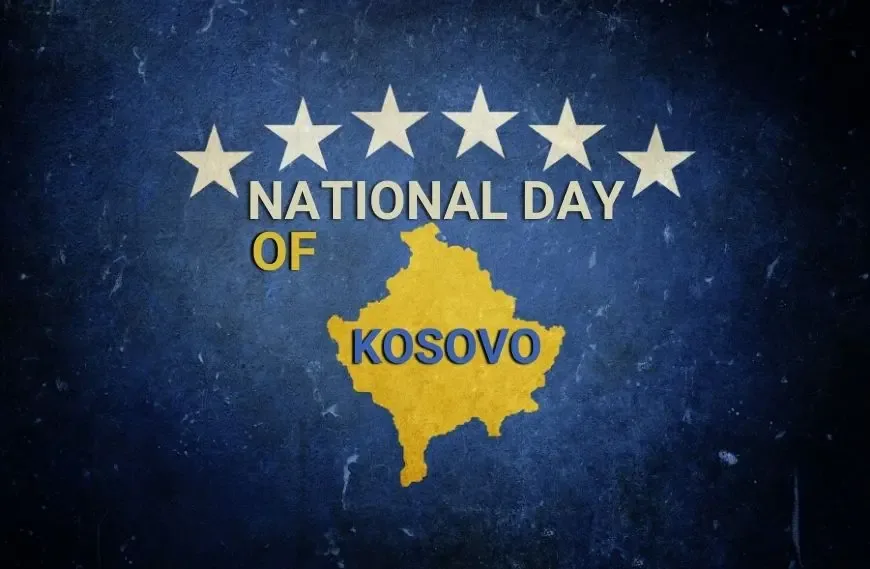
A Nation Born from Struggle, Standing Tall in the Balkans
Nestled in the heart of the Balkans, Kosovo is a land where resilience, hope, and history intertwine. Though it declared independence in 2008, its past spans centuries, shaped by empires, wars, and an unbreakable spirit. With rugged mountains, charming Ottoman-era towns, and a dynamic youth-driven energy, Kosovo is forging a future beyond its past struggles.
Pristina, the capital, reflects this transformation, a mix of history and modern ambition. Ottoman mosques and lively cafés sit alongside bold new symbols like the Newborn monument, a powerful declaration of Kosovo’s evolving identity.
Despite ongoing political challenges: 101 out of 193 UN nations recognize Kosovo, but it remains unrecognised by Serbia, Russia, China, and India, Kosovo is pushing forward. With a booming tech industry, sports success, and strong diaspora support, it is proving that it is far more than just a post-war nation.
A History Shaped by Empires and Rebellion
Kosovo’s history is deeply rooted in the Balkans. In medieval times, it was a crucial part of the Serbian Kingdom and later the Serbian Empire. The Battle of Kosovo (1389) marked the beginning of Ottoman rule (1455–1912), a period that shaped Kosovo’s religious and cultural landscape.
Under the Ottomans, Kosovo saw Islamization, with many Albanians converting to Islam, while Serbs remained Orthodox. Ottoman influence is still visible today in Kosovo’s architecture, cuisine, and traditions.
In the 20th century, after the fall of the Ottoman Empire, Kosovo became part of Yugoslavia (1918). The region faced increasing repression, especially under Slobodan Milosevic (1989–1999), who stripped Kosovo of its autonomy.
The Kosovo War (1998–1999) was a tragic and defining moment. Serbian forces engaged in ethnic cleansing against Albanians, leading to NATO’s intervention. After 78 days of airstrikes, Serbia withdrew, and Kosovo came under UN administration (1999–2008). Finally, on February 17, 2008, Kosovo declared independence.
Today, Kosovo continues working toward full international recognition while seeking EU membership.
Who Lives in Kosovo?
Kosovo is home to 1.8 million people, of which:
- 92% are ethnic Albanians
- 5-6% are Serbs (mainly in the north, near Serbia)
- Smaller communities include Bosniaks, Turks, Gorani, and Roma
Ethnic tensions persist, particularly in Serb-majority areas, but Kosovo is making efforts toward reconciliation and integration.
With nearly 70% of its population under 35, Kosovo is one of Europe’s youngest nations, both in terms of statehood and demographics. This youthful energy is driving entrepreneurship, tech innovation, and cultural revival.
The India-Kosovo Connection: Limited but Growing
India does not recognize Kosovo’s independence, in line with its territorial integrity policy. However, trade and business ties exist, especially in the IT and education sectors.
Kosovo, in turn, has shown interest in India’s digital transformation and economic growth strategies. Bollywood films enjoy surprising popularity in Kosovo, creating an informal cultural bridge between the two nations.
While diplomatic ties remain limited, economic and cultural exchanges continue to grow.
A National Anthem Without Words, Yet Full of Meaning
Kosovo’s anthem, Europe, is unique, it has no lyrics. Composed by Mendi Mengjiqi, it was adopted in 2008 to reflect the nation’s unity without favoring any single ethnic group.
Instead, the melody represents Kosovo’s hope, resilience, and new beginning. It allows every Kosovar, regardless of background, to find their own meaning in it, proving that sometimes, music speaks louder than words.
Kosovo’s Rising Global Presence
Despite its young age, Kosovo is making economic and sporting strides:
- It is a member of the IMF, World Bank, and several European institutions.
- The outsourcing and IT sectors are booming, attracting investment from Europe.
- Diaspora remittances make up over 15% of GDP, helping fuel economic growth.
On the sports front:
- Kosovo’s judo team is world-class, winning Olympic gold medals in 2016 and 2020.
- The national football team now competes in UEFA and FIFA tournaments, gaining international respect.
Despite political hurdles, Kosovo is carving out a name for itself in business, sports, and technology.
Celebrating Kosovo’s National Day
Kosovo’s Independence Day, celebrated on February 17, is more than just a political milestone, it’s a celebration of survival, identity, and hope.
Across the country, parades, concerts, and fireworks mark the occasion. Families gather to reflect on the struggles that led to independence and the bright future ahead.
For Kosovars, this day isn’t just about looking back, it’s about looking forward, proving that even the smallest nations can dream big.
Kosovo may be one of Europe’s youngest countries, but its story is one of timeless resilience. As it builds its future, it stands as a **testament to perseverance, ambition, and the power of national identity.