




When was the last time you chose one brand over another? Chances are, it wasn’t just about the price tag or a flashy advert. More likely, it was because the brand’s story, values, or actions made you feel a connection.
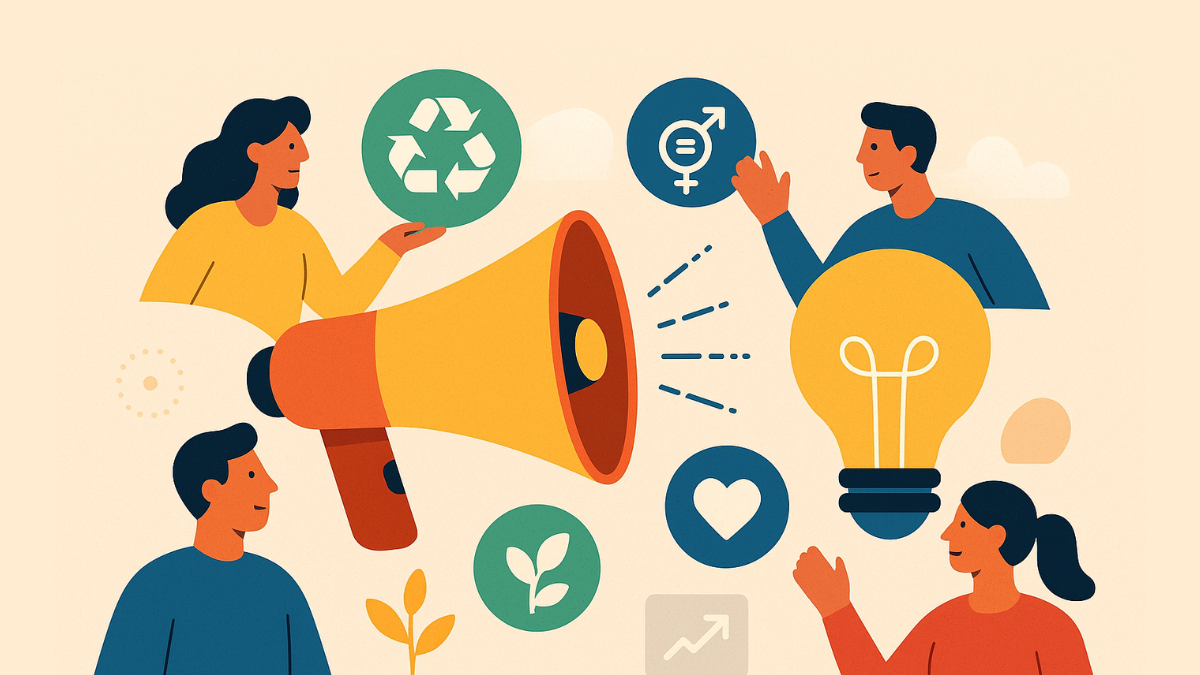
That’s the reality of marketing today. People don’t just want brands that sell. They want brands that stand for something. They want to feel that every purchase is part of a bigger purpose, one that reflects their own beliefs. This is what it means to market with meaning.
The Changing Face of Marketing
There was a time when discounts, catchy slogans, and celebrity endorsements were enough to capture attention. Not anymore. Consumers are sharper, more aware, and quick to call out anything that feels fake.
Yes, quality and price still matter, but now they sit alongside something equally important: values. A brand’s stand on sustainability, inclusivity, or social responsibility can often decide whether someone chooses it or moves on to a competitor. In short, people are buying into ideas as much as they are buying into products.
Building Real Connections
Marketing with meaning is about relationships, not just transactions. It shifts the focus from “How can we sell more?” to “How can we make life better for people?”
When a brand takes steps like reducing waste, supporting local communities, or addressing mental health, it shows it is not only after profits. These actions, though small, make customers feel seen and respected. And when people feel that connection, they stick around.
Technology is a Tool, Not a Substitute
We live in a digital-first world. Technology helps brands reach audiences faster and smarter. But it’s important to remember that technology is just a tool. It cannot replace the human touch.
Algorithms may bring your ad to the right screen, but they can’t create empathy. Analytics may show you trends, but they can’t tell your story. Real connections come from humanity, not code. Brands that rely only on technology risk sounding hollow.
Creativity is Still the Most Human Connector
At the heart of meaningful marketing is creativity. It’s what makes a story memorable and relatable. Creativity brings emotion into the message, and that emotion is what truly connects.
Think of the campaigns that stay in your mind long after you’ve seen them. They probably didn’t just tell you to buy something. They made you laugh, made you think, or gave you hope. That’s creativity at work—and it’s still the most powerful, most human connector.
Authenticity Over Empty Promises
Today’s audiences are quick to spot token gestures. If a brand says it supports sustainability but its actions don’t reflect it, people will call it out.
Meaningful marketing only works when words and actions match. If a business stands for fair trade, its supply chain must prove it. If it speaks about diversity, its own workplace must reflect it. Authenticity isn’t optional, it’s the foundation of trust.
Purpose Creates Lasting Value
Marketing with meaning isn’t about charity. It’s about aligning growth with purpose. Brands that act with responsibility often find themselves gaining more than goodwill. They earn loyalty, pride, and long-term relevance.
Employees want to work for brands they can believe in. Customers want to buy from brands they respect. When purpose and profit move in the same direction, everyone wins.
Why It Matters Now
In uncertain times whether it’s a pandemic, climate crisis, or social unrest, people expect brands to show leadership. They want empathy and responsibility, not silence. Brands that step up are remembered for how they helped, not just what they sold.
This matters even more with younger generations. Millennials and Gen Z value ethics, inclusivity, and sustainability deeply. Brands that ignore these expectations will be left behind.
Marketing with meaning is no longer just a nice idea, it’s essential. Technology may spread the message, but creativity and authenticity are what make it stick.
When a brand chooses to stand for something bigger than sales, it does more than sell. It inspires, it influences, and it endures.
