




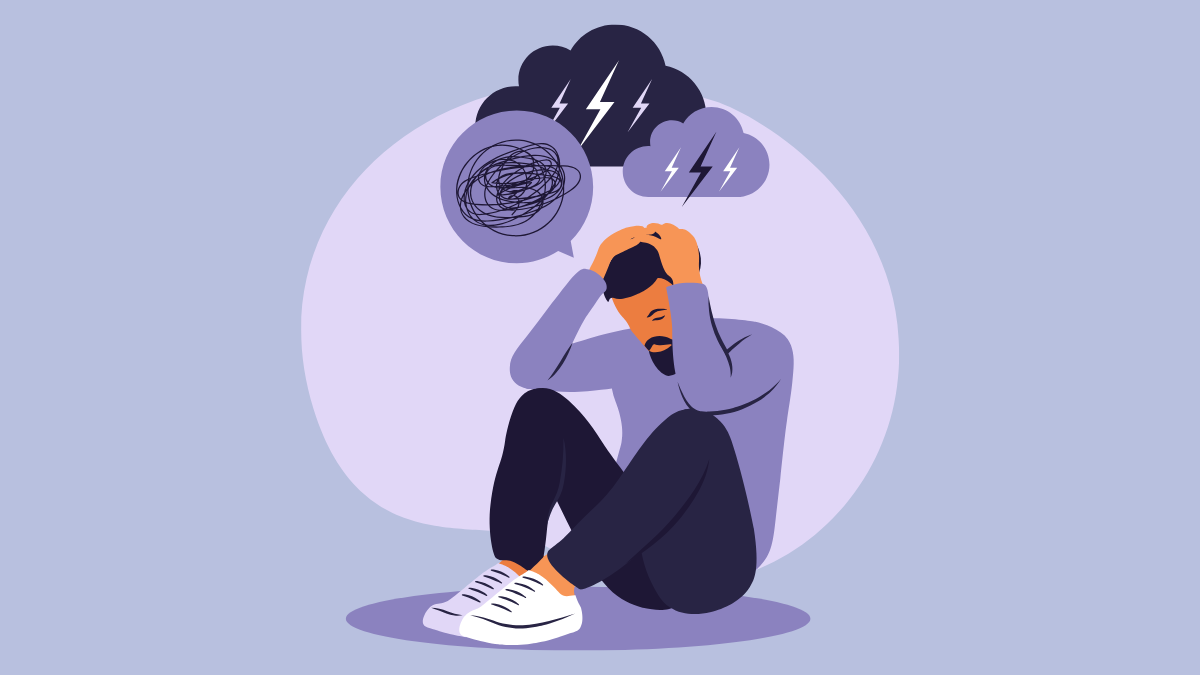
Mental health is just as important as physical health, yet in India, men’s mental well-being is often overlooked. Society expects men to be strong, resilient, and unemotional, leaving little room for them to express vulnerability. As a result, many suffer in silence, battling stress, anxiety, and depression without seeking help. This article sheds light on the mental health struggles of Indian men, the reasons behind them, and what we can do to change the situation.
Why Men Struggle to Talk About Mental Health
From childhood, boys in India are taught to suppress their emotions. Expressions like “Mard ko dard nahi hota” (Men don’t feel pain) or “Ladke rote nahi hai” (Boys don’t cry) reinforce the idea that showing emotions is a sign of weakness. As they grow up, this pressure builds, whether it’s the burden of providing for a family, succeeding in a career, or simply keeping up with societal expectations. The result? Many men bottle up their emotions, leading to serious mental health issues.
Common Mental Health Challenges Among Indian Men
- Depression and Anxiety: The pressure to be the breadwinner, job insecurity, and financial stress contribute to high levels of anxiety and depression among men.
- Substance Abuse: Many men turn to alcohol, smoking, or drugs as an escape from emotional distress, worsening their mental and physical health.
- Suicidal Thoughts: According to the National Crime Records Bureau (NCRB), over 70% of suicides in India are by men. Reasons include financial struggles, loneliness, and lack of emotional support.
- Work-Related Stress: Long working hours, job instability, and the fear of failure make it difficult for men to maintain a healthy work-life balance, often leading to burnout.
Why Men Don’t Seek Help
- Lack of Awareness: Many men don’t realize that what they’re experiencing is a mental health issue that can be treated.
- Fear of Judgment: The stigma around mental health makes men fear being seen as weak or incapable if they seek therapy or talk about their struggles.
- Limited Access to Mental Healthcare: India has a shortage of mental health professionals, making it difficult for men, especially in rural areas, to access help.
- Financial Concerns: Therapy is expensive, and many health insurance plans in India do not cover mental health treatment.
How We Can Support Men’s Mental Health
- Encouraging Open Conversations: Families, workplaces, and communities should create safe spaces where men can talk about their emotions without fear of being judged.
- Mental Health at Work: Employers should offer counseling services, stress management programs, and flexible work hours to reduce job-related stress.
- Affordable and Accessible Therapy: The government and private sector must work towards making mental health services more affordable and available, especially in small towns and villages.
- Using Technology for Mental Health: Online counseling platforms, mental health apps, and anonymous helplines can provide much-needed support to men who find it difficult to seek help in person.
- Teaching Emotional Well-being in Schools: If boys learn early that expressing emotions is normal, they will grow into adults who don’t hesitate to seek help when needed.
How Women Can Help
Women play a huge role in supporting the mental well-being of the men in their lives, whether as mothers, sisters, wives, or friends. Encouraging open conversations, reassuring men that it’s okay to be vulnerable, and simply being there to listen can make a huge difference. Women can challenge stereotypes that label emotional expression as weakness and create an environment where men feel safe to share their feelings. Small acts of kindness, empathy, and understanding can help men feel supported and less alone in their struggles.
Mental health struggles among Indian men are real and urgent. It’s time to move beyond outdated stereotypes and encourage a culture where men can seek help without shame. By raising awareness, improving access to mental healthcare, and promoting open conversations, we can create a society where mental well-being is valued just as much as physical health. It’s okay for men to ask for help because true strength lies in taking care of oneself, inside and out.
