




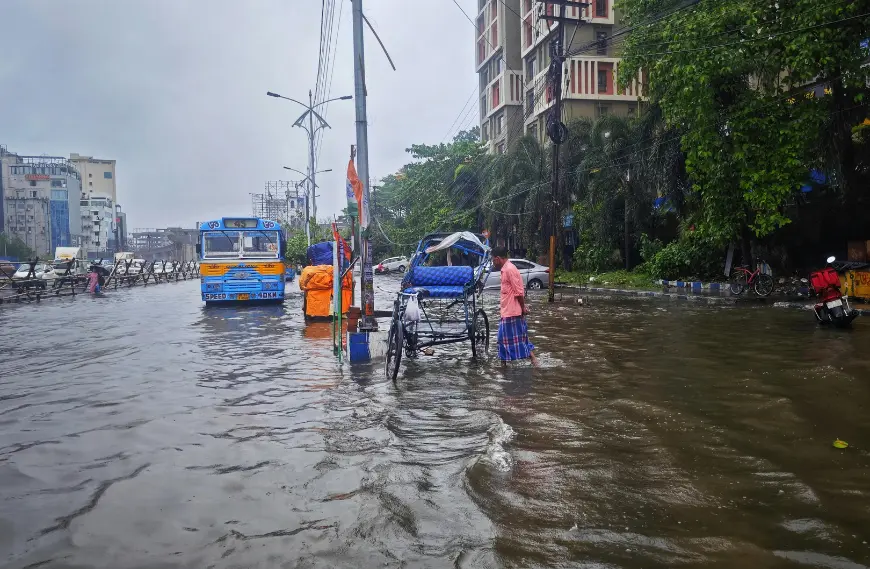
Every monsoon, Indian cities like Mumbai and Bengaluru turn into waterlogged chaos. Floods disrupt lives, damage homes, and hurt livelihoods. Rapid urban growth, climate change, and crumbling infrastructure are to blame. Yet, hope shines through with smart technology and green solutions. Let’s explore why floods hit hard, their toll on communities, and how we can build stronger cities, in line with Deshwale’s call for positive change.
Why Floods Hit Cities Hard
Heavy rains overwhelm cities. In 2024, Mumbai saw 300 mm of rain in six hours, swamping drains. Climate change makes rains fiercer, boosting intensity by 7% per degree of warming. Cities like Bengaluru lose 80% of their lakes to concrete jungles, blocking natural water flow. Clogged drains, filled with trash, make things worse. Chennai’s 2015 floods, for instance, grew deadlier due to blocked canals.
Low-lying cities like Kolkata naturally trap water. In hilly Guwahati, deforestation sends floods downstream. These factors create a perfect storm, leaving streets submerged and families stranded.
The Heavy Toll of Floods
Floods hit hard. Chennai’s 2015 deluge cost over Rs 15,000 crore in damages. Roads, bridges, and metro stations take a beating. Stagnant water breeds diseases like dengue. Kerala saw leptospirosis spike after 2020 floods. Slum dwellers, like those in Mumbai in 2022, lose homes and jobs, struggling to recover.
Nature suffers too. Bengaluru’s lakes choke on sewage, harming fish and plants. Floods also block groundwater recharge, worsening water scarcity. These impacts show we can’t ignore the problem.
Broken Systems Worsen Floods
Old drains can’t cope. Mumbai’s British-era system, built for 25 mm/hr rain, fails in heavy downpours. Delhi’s drains, managed by nine agencies, lack coordination. Gurugram’s weak drains can’t handle road runoff. Urban sprawl is a culprit too. From 2000 to 2015, cities grew 47% while losing 15% of water bodies. Delhi’s Yamuna floodplains, choked by buildings, can’t drain water. Trash management fails as well, Delhi clears a million tonnes of silt yearly, but much flows back into drains.
Tech to the Rescue
Thankfully, technology offers solutions. Satellites from ISRO track rain and water levels, giving early warnings. Ahmedabad uses GIS maps to spot flood-prone areas. Drones, like those from Skylark in Bengaluru, scan places like HSR Layout to plan better drains. IIT Delhi’s system in Barapullah maps flood depths, helping save lives. AI-powered forecasts, like Skymet’s with 6,000 weather stations, warn communities in real time.
Green Fixes and Strong Policies
Nature can help too. Reviving lakes, like Bengaluru’s Jakkur, soaks up water. Mumbai is trying “sponge city” ideas from Shanghai, using green roofs to cut runoff. Communities play a big role. Ahmedabad’s Heat Action Plan, which can work for floods, gets locals involved in alerts. Government steps, like the Smart Cities Mission and AMRUT, fund better drains. Kolkata cleared two million tonnes of silt, proving steady work pays off. But challenges like tight budgets and lax rules need fixing.
A Brighter Future
We can beat urban flooding. Blend tech like drones with green ideas like restored wetlands. Bengaluru’s new Tender S.U.R.E drains, with smart pipes, show a way forward. Strong rules to stop encroachments and better waste cleanup are musts. Everyone, governments, scientists, and you can help. Join local efforts, push for green cities, and let’s turn floods into a chance for safer, stronger communities.
