




By: Prathamesh Amrute
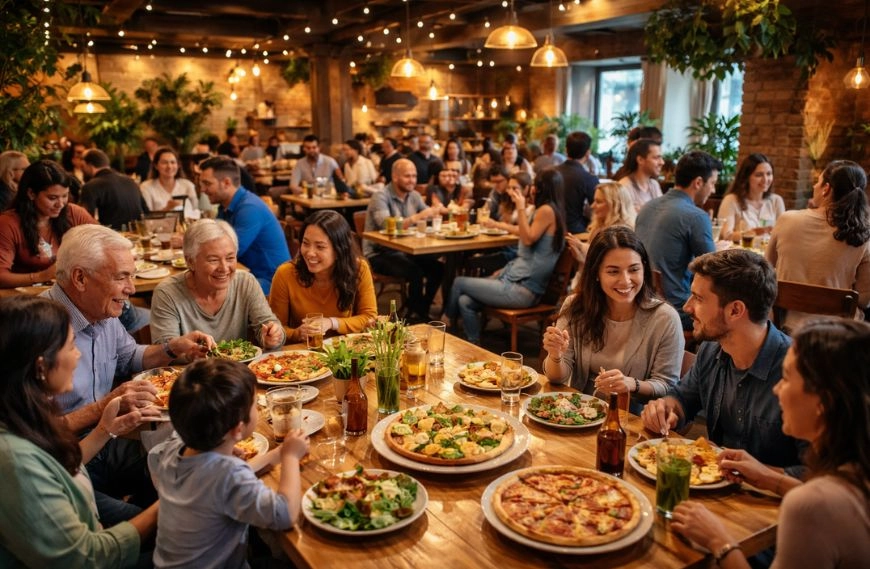
In an era where digital connections often overshadow face-to-face interactions, restaurants remain one of the most enduring anchors of community life. More than places to eat, they serve as cultural touchstones—spaces where social bonds are forged, traditions are celebrated, and local identity is expressed. The modern restaurant is not merely a commercial enterprise; it is a stage where community narratives unfold.
Restaurants have long been synonymous with social gatherings. From family dinners to business lunches, they provide neutral ground where people of diverse backgrounds can meet. Unlike private homes, restaurants offer inclusivity—welcoming anyone who walks through their doors. This accessibility transforms them into democratic spaces of interaction, where conversations spark across tables and relationships deepen over shared meals.
The rise of casual dining and café culture has amplified this role. Coffee shops, bistros, and neighborhood eateries often double as informal meeting places, where students brainstorm, professionals network, and friends reconnect. In many cities, the “third place”—neither home nor office—has become essential to social well-being, and restaurants are increasingly filling that niche.
Restaurants also act as custodians of local identity. A city’s culinary landscape often mirrors its cultural diversity, history, and aspirations. In New Orleans, Creole cuisine embodies centuries of cultural fusion; in Tokyo, ramen shops reflect both tradition and innovation. Even small towns showcase their heritage through local diners or regional specialties, reinforcing a sense of belonging.
For restaurateurs, this connection to local identity is both a responsibility and an opportunity. By sourcing ingredients locally, highlighting regional flavors, or celebrating traditional recipes, they strengthen ties with the community. In turn, patrons feel pride in supporting establishments that reflect their collective story. The restaurant becomes more than a business—it becomes a symbol of place.
From a business perspective, positioning a restaurant as a community hub is a strategic advantage. Loyalty is no longer built solely on taste or price; it thrives on emotional connection. Patrons who view a restaurant as part of their social fabric are more likely to return, recommend it, and defend it during challenging times. Consider the surge of support for local eateries during the pandemic. Communities rallied around their favorite restaurants, ordering takeout, buying gift cards, and donating to staff relief funds. This resilience was not just about food—it was about preserving spaces that represented shared identity and continuity. Restaurateurs who had invested in community engagement reaped the benefits of goodwill when it mattered most.
The physical design of restaurants increasingly reflects their role as community hubs. Open layouts, communal tables, and flexible spaces encourage interaction. Some establishments host book clubs, art exhibitions, or live music, transforming dining rooms into cultural venues. Others integrate technology to foster engagement, offering digital loyalty programs or community forums that extend the restaurant’s presence beyond its walls.
At the same time, restaurants are embracing inclusivity. Menus that cater to diverse dietary needs, accessibility-friendly designs, and family-oriented spaces ensure that everyone feels welcome. This inclusivity reinforces the idea of restaurants as shared spaces, where community diversity is celebrated rather than sidelined.
Looking ahead, the role of restaurants as community hubs will only deepen. As urbanization accelerates and lifestyles grow busier, people will continue to seek spaces that combine nourishment with connection. Restaurants that embrace this dual role—feeding both body and spirit—will thrive. For business leaders, the lesson is clear: restaurants are not just about transactions; they are about transformation. They transform meals into memories, strangers into friends, and neighborhoods into communities. In doing so, they remind us that while technology may connect us virtually, it is the shared table that truly binds us together.
Author Bio: (With a postgraduate degree in Hospitality Management from a leading Toronto based institution, Prathamesh Amrute has cultivated deep expertise in the industry, earning recognition for his ability to blend academic rigor with real world service excellence.)
Subscribe Deshwale on YouTube
