




Swiping Left on Perfection
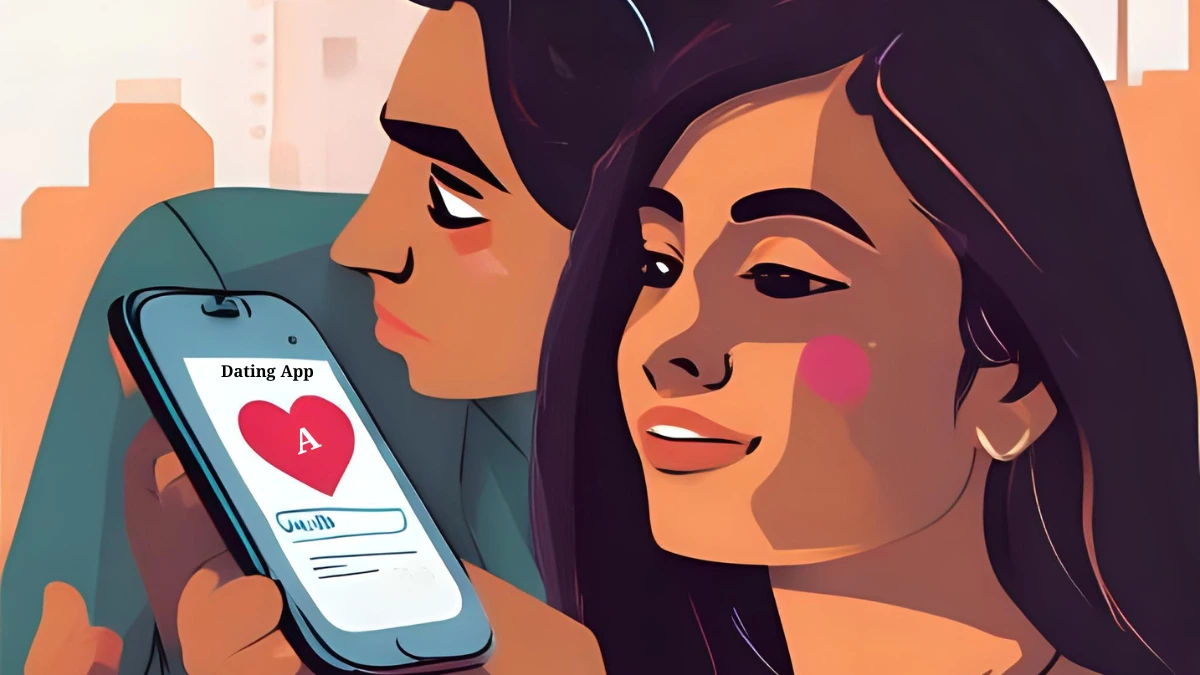
Swipe right and you might find a glossy profile with perfect lighting, a witty bio, and a flawless smile. But today, many young Indians are doing the exact opposite. Enter reverse catfishing, a bold trend where people post raw and unfiltered versions of themselves on dating apps. Think messy hair, sleepy selfies, and honest bios like “I burn toast daily.” In a culture that chases picture-perfect profiles, this shift to vulnerability signals something deeper. It reveals a growing hunger for authenticity.
A Digital Rebellion Against Filters
The term catfishing became popular after a 2010 documentary revealed how people create fake online personas to deceive others emotionally. In India, where dating apps like Tinder, Bumble, and QuackQuack thrive, catfishing is a known threat. According to a 2021 Kaspersky survey, 34% of Indians avoid dating apps due to fear of scams.
Reverse catfishing flips that fear into honesty. Instead of exaggerating or faking, young users are deliberately posting imperfect pictures and downplaying achievements. For many, it is a way of saying, “Love me for who I really am.” As Oscar Wilde famously said, “Be yourself; everyone else is already taken.” For Gen Z, this is not just clever advice. It is a dating philosophy.
Numbers Don’t Lie
A 2025 survey by Indian dating app QuackQuack paints a clear picture. Conducted with 7,463 users aged 18 to 27, it found that 40% of them are embracing reverse catfishing. From Mumbai to Jaipur, young Indians are choosing candid over curated. Bios now focus more on quirks than credentials. One might read, “I talk to my plants,” instead of listing degrees or job titles.
Ravi Mittal, CEO of QuackQuack, described the shift as “a love letter to emotional intelligence.” He noted that 28% of users actively prefer profiles that feel warm, awkward, and human. These are the profiles that do not look like they were AI-generated.
A Generation Tired of Pretending
Why this change? It starts with exhaustion. Gen Z, born between 1997 and 2012, grew up in a world full of filters, fake followers, and impossible beauty standards. Social media perfected the art of faking it. But now, young people are craving something real.
In a 2022 Pew Research survey, 52% of global online daters admitted they suspect scams. In India, dating apps are already seen as an act of rebellion in a society where arranged marriages still dominate. Now, reverse catfishing is taking that rebellion one step further. It invites emotional depth, not just visual appeal.
Anuja, a fitness coach from Bengaluru, shared her experience with India Today: “A less glamorous profile attracts people who want to know me, not just the ‘pretty woman’ in the picture.”
Her words reflect a larger movement. One where being real is more romantic than being perfect.
Not Just an Indian Phenomenon
Globally, reverse catfishing is picking up steam. In the US, a 2022 YouGov poll showed that 1 in 5 young adults knows someone who has been catfished. Influencers on TikTok have responded by promoting profiles that underpromise online and overdeliver in person.
Apps like BeReal and Locket celebrate unfiltered moments. In the UK, Stylist Magazine reported a rise in “photodumps,” casual and chaotic posts that tell authentic stories. But in India, the trend takes on a unique flavour. With over 800 million internet users in 2024, the digital dating scene is not just modern. It is massive. Reverse catfishing might be how this generation makes online romance feel real again.
