




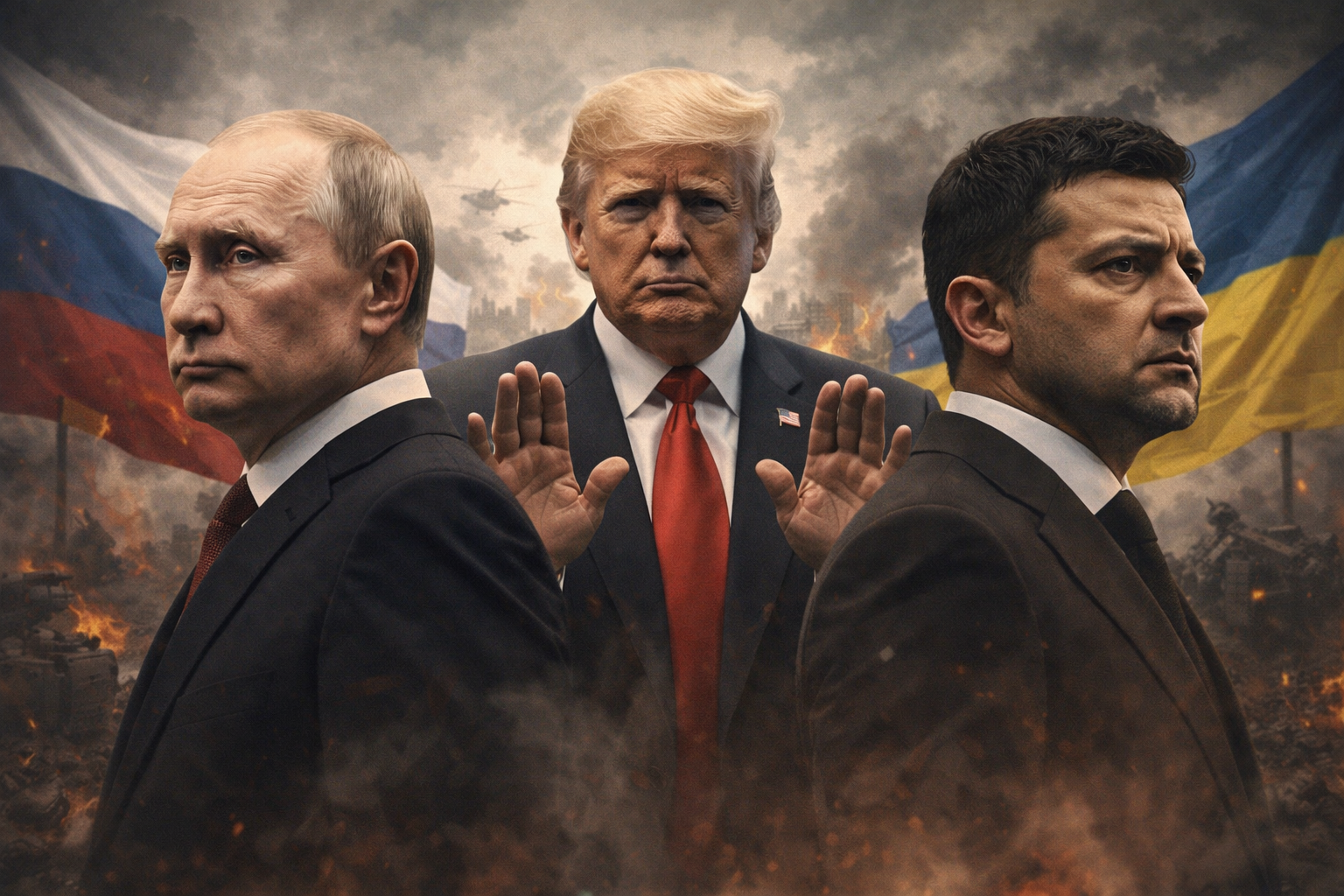
Russian overnight strikes on Ukraine killed at least three people, Ukrainian officials said on Monday, underscoring the continuing intensity of the conflict even as international efforts to broker a settlement gather pace.
In the southern port city of Odesa, a missile strike killed a 35-year-old man and wounded two others, Sergiy Lysak, head of the city’s military administration, said, according to AFP. Emergency crews worked through the night to contain fires and assess damage to residential areas.
Further north in the Kharkiv region, Ukraine’s State Emergency Service reported that a Russian drone attack killed a woman and her 10-year-old son. Three other civilians were injured in the strike, the agency said in a statement posted on Telegram.
The latest casualties highlight the continued toll of a war that has raged since Russia’s full-scale invasion in February 2022. Despite intermittent battlefield gains and losses on both sides, neither Moscow nor Kyiv has shown signs of a decisive military breakthrough.
Against this backdrop, diplomatic activity has picked up in recent months. The United States has proposed a timeline that envisages a potential peace settlement by June 2026. While U.S. officials have framed this as a pragmatic effort to accelerate negotiations, some political analysts have suggested that a deal ahead of the 2026 U.S. midterm elections could also carry domestic political benefits for the incumbent Republican administration.
Trilateral talks involving the United States, Russia, and Ukraine have been ongoing, with the next round scheduled to take place in Miami, according to officials familiar with the process. The precise agenda of those discussions has not been made public.
However, substantial obstacles continue to impede progress toward a durable settlement.
Moscow has insisted that any agreement must formally recognize its control over large parts of eastern and southern Ukraine that it has occupied since 2022. The Kremlin argues that many residents in those territories are Russian-speaking and favor closer integration with Russia.
Kyiv has categorically rejected this position. Ukrainian officials and large segments of the public remain opposed to ceding any occupied territory, viewing such concessions as both illegal and a dangerous precedent that could invite further Russian aggression.
Another major sticking point concerns security guarantees for Ukraine. Kyiv has called for robust, legally binding assurances that would deter future Russian attacks. Western governments have indicated a willingness to discuss such arrangements, but the specifics remain unresolved.
Negotiating these guarantees is likely to prove complex. NATO members, U.S. defense planners, European security officials, and major international financial institutions all have stakes in shaping the final framework, particularly given the potential costs of reconstruction, long-term military support, and regional stability.
Analysts say that while a peace deal in 2026 is not impossible, it would require significant compromises from both sides — compromises that neither appears fully prepared to make at present.
Many observers caution that any settlement involving major territorial concessions by Ukraine could fuel domestic backlash and risk prolonging instability in the region, rather than ending it.
For now, as missiles continue to strike Ukrainian cities and diplomacy struggles to keep pace with events on the ground, the path to peace remains uncertain.
Subscribe Deshwale on YouTube
