




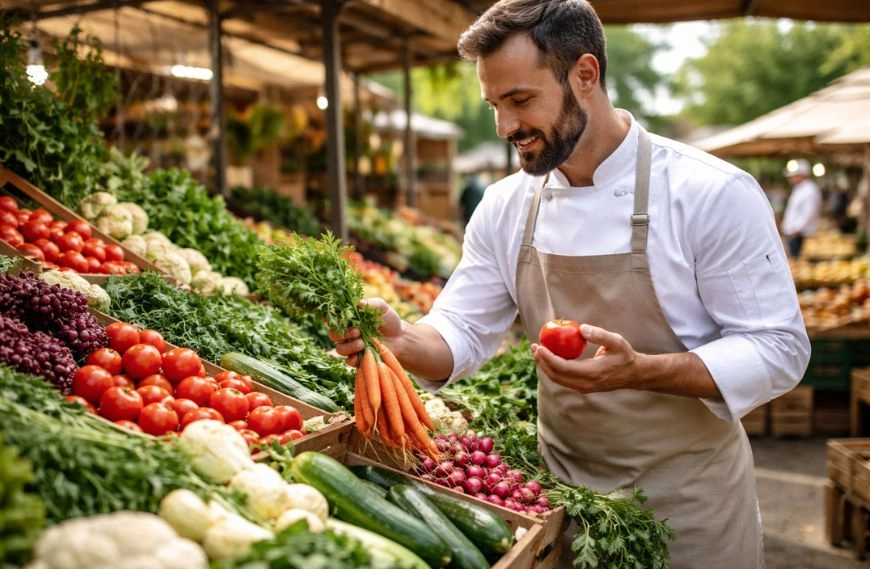
The Benefits of Adapting to Local Produce
By: Prathamesh Amrute
In the ever-evolving restaurant industry, innovation is often measured not just by culinary creativity but by how well establishments adapt to changing consumer expectations and market realities. One of the most compelling strategies gaining traction worldwide is the adoption of seasonal menus built around local produce. Far from being a passing trend, this approach offers tangible benefits for restaurants, customers, and communities alike.
Seasonal menus allow restaurants to showcase ingredients at their peak. Fruits and vegetables harvested in season are naturally more flavorful, vibrant, and nutrient-rich compared to those shipped long distances or stored for months. Diners increasingly value authenticity and freshness, and seasonal menus deliver exactly that.
By highlighting produce when it is most abundant, chefs can craft dishes that feel alive and dynamic. A summer menu might feature heirloom tomatoes and fresh basil, while autumn could bring roasted squash and earthy mushrooms. This constant evolution keeps menus exciting and encourages repeat visits from customers eager to experience what’s new.
Adapting to local produce is not only a culinary decision but also a financial one. Seasonal ingredients are typically more affordable because they are plentiful and require less transportation. This reduces procurement costs and helps restaurants maintain healthier margins. Moreover, sourcing locally minimizes the environmental footprint. Shorter supply chains mean fewer emissions from transportation and less reliance on preservatives. Restaurants that embrace sustainability often find that customers reward them with loyalty, as eco-conscious dining becomes a priority for many consumers.
Seasonal menus foster stronger ties between restaurants and local farmers. By sourcing directly from nearby producers, restaurants support regional agriculture and contribute to the local economy. These partnerships often lead to unique collaborations, such as farm-to-table events or chef-led tours of local farms, which enhance brand storytelling and customer engagement.
For diners, knowing that their meal supports local growers adds an emotional dimension to the dining experience. It transforms a simple dinner into a shared act of community building. Working with seasonal produce challenges chefs to be inventive. Limited availability of certain ingredients pushes them to experiment with new flavor combinations, cooking techniques, and presentations. This creativity often results in signature dishes that define a restaurant’s identity. Seasonal menus also allow restaurants to align their offerings with cultural rhythms. A spring menu might celebrate renewal with light, fresh dishes, while winter menus lean into comfort foods. This alignment with nature’s cycles creates a deeper resonance with customers, making dining experiences feel more meaningful.
From a business perspective, seasonal menus are powerful marketing tools. They provide a natural reason to refresh promotions, launch campaigns, and engage customers. Social media thrives on novelty, and showcasing new dishes tied to the season generates buzz and encourages sharing. Restaurants that emphasize local sourcing and seasonal creativity differentiate themselves in crowded markets. They position themselves not just as places to eat but as destinations for experiences—where menus tell stories of place, time, and community.
As consumer preferences shift toward sustainability, authenticity, and wellness, seasonal menus will become increasingly central to restaurant strategy. Technology is amplifying this trend, with AI-driven platforms helping chefs forecast demand and optimize ingredient use. Yet, at its core, the appeal of seasonal menus lies in their simplicity: celebrating food when it is at its best.
For restaurateurs, the benefits are clear—lower costs, stronger community ties, enhanced creativity, and a compelling brand narrative. For diners, it means fresher flavors, healthier meals, and a deeper connection to the land and people behind their food. In an industry where differentiation is everything, seasonal menus offer a timeless yet forward-looking strategy. By embracing local produce and the rhythms of nature, restaurants can create dining experiences that are not only profitable but also profoundly memorable.
Author Bio: (With a postgraduate degree in Hospitality Management from a leading Toronto based institution, Prathamesh Amrute has cultivated deep expertise in the industry, earning recognition for his ability to blend academic rigor with real world service excellence.)
Subscribe Deshwale on YouTube
