




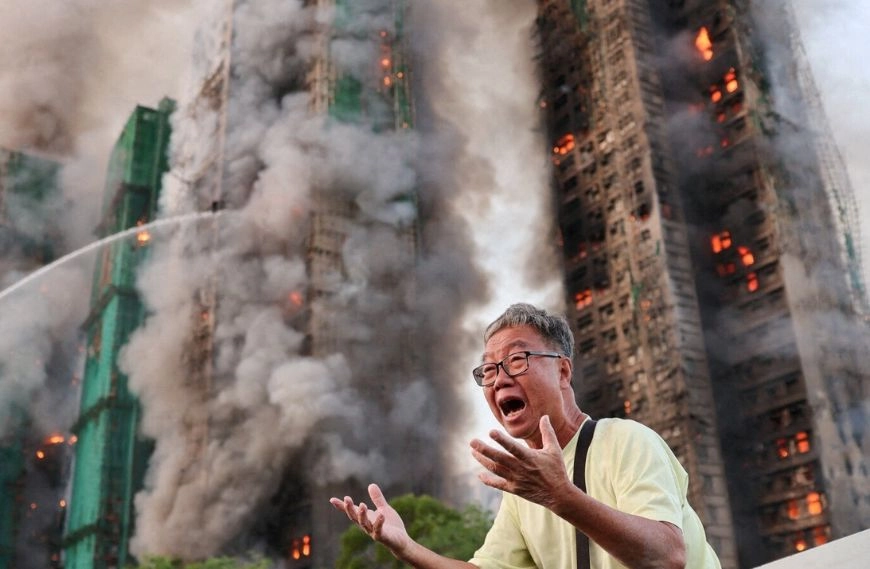
In the wake of a tragic fire at a high-rise housing complex in Hong Kong, much of the attention has been on how bamboo scaffolding may have helped the flames spread. However, for many workers, the danger goes beyond fires. Even before a fire occurs, bamboo scaffolding has long posed serious risks to the people who build, climb, and dismantle it.
Between 2019 and 2024, official figures in Hong Kong recorded at least 22 workers dying in accidents involving bamboo scaffolding. These incidents include falls, collapses, and structural failures that were unrelated to fires. In one 2025 case, a scaffolding collapse at a construction site in Kai Tak left 11 workers injured. In another, a piece of bamboo fell from scaffolding, striking two passersby one on the forehead and the other in the chest. These events highlight that accidents are not rare and underline the broader safety concerns associated with bamboo work.
Despite these risks, bamboo scaffolding remains widely used in Hong Kong, with around 2,500 registered scaffolders active today. It continues to be the preferred option for many contractors because it is cheaper, faster to assemble, and easily adaptable to narrow streets and older buildings. Industry professionals argue that many accidents are due not to the bamboo itself but to lax enforcement of safety procedures. Skilled scaffolders advocate for improved training and stricter inspection regimes rather than banning bamboo outright.
Authorities have started introducing metal scaffolding, particularly in public works, because it is more fire-resistant, stronger, and longer-lasting than bamboo. However, experts warn that switching materials alone will not prevent accidents. Falls, collapses, and other injuries can occur with any type of scaffolding if safety protocols are ignored.
To truly protect scaffolders and construction workers, experts recommend strict enforcement of safety inspections, mandatory use of protective gear such as harnesses and helmets, the replacement of flammable nets with fire-retardant materials, regular training and certification of workers, and a gradual transition to safer materials like metal, especially on high-rise projects.
For decades, bamboo scaffolding has been a cornerstone of construction in Hong Kong and other parts of Asia, valued for its flexibility, low cost, and ease of use. However, the increasing number of accidents, injuries, and deaths shows that these advantages come with significant risks. As urban areas grow taller and more densely populated, worker safety must be a priority. Protecting scaffolders requires not only preventing fires but also ensuring that everyday construction practices do not put lives at risk.
Subscribe Deshwale on YouTube
