



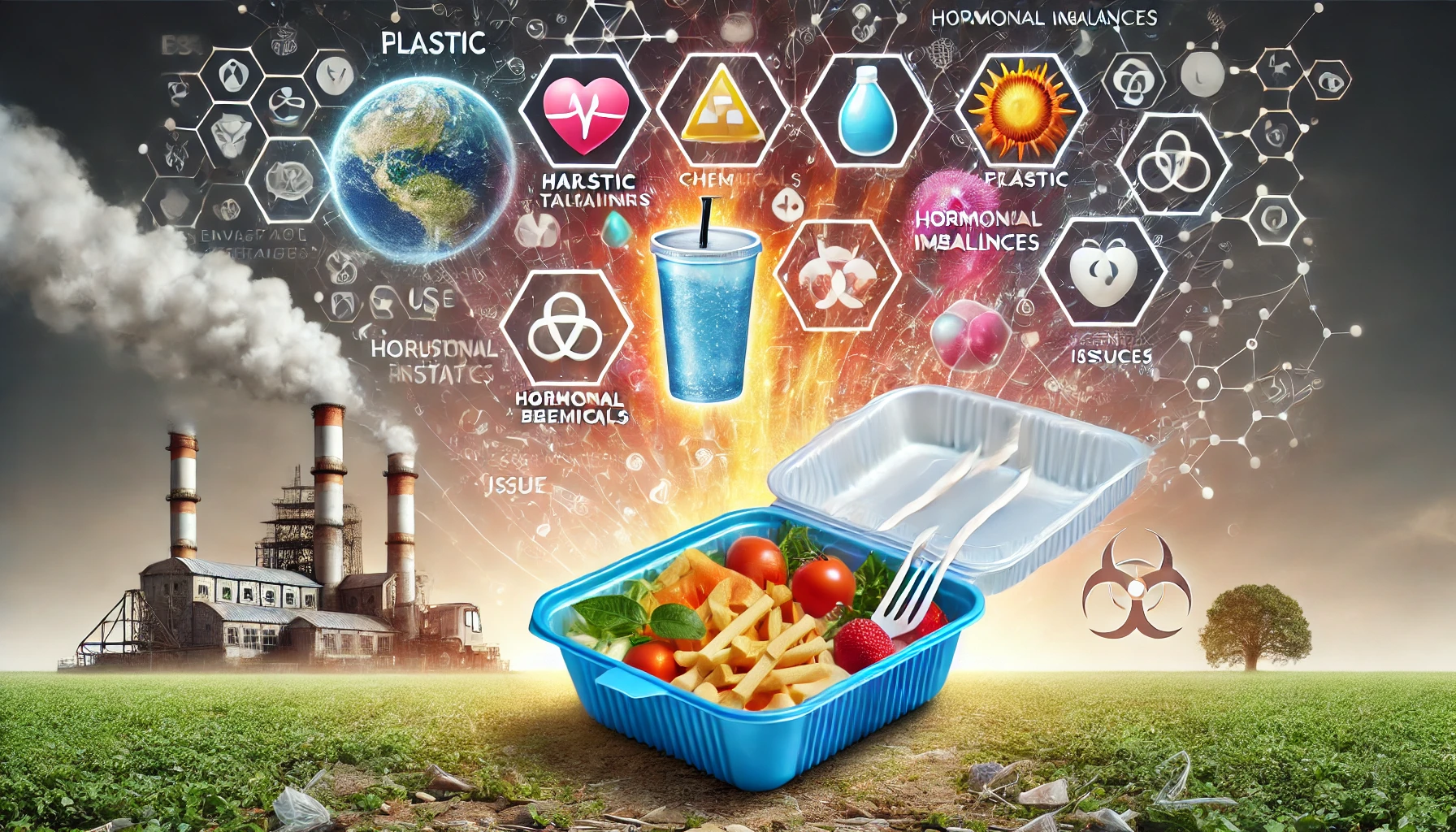
As we all know, Indian mothers have a special attachment to the plastic dabbas that come with food parcels. But the question is, are these plastic dabbas really serving us well, or is it time to break-up with them?
In recent years, plastic takeout containers have become part of everyday life. With more people opting for fast food and takeout, these containers are used by millions daily. But behind the convenience lies a serious health and environmental issue. Plastic, especially when used for food packaging, has many harmful side effects we can’t ignore anymore.
1. Health Risks: A Hidden Poison
Eating from plastic takeout containers may feel harmless. But the reality is too different. These containers often contain harmful chemicals like bisphenol A (BPA), phthalates, and other endocrine disruptors. These chemicals, used to make plastic flexible or durable, can leach into food, especially when heated.
The Danger of BPA: One of the most concerning chemicals is bisphenol A (BPA). BPA is known to disrupt hormones, like estrogen and testosterone. This can lead to fertility issues, developmental disorders, and even increase the risk of certain cancers.
Phthalates and Other Additives: Phthalates, used to increase plastic flexibility, are equally dangerous. They have been linked to reproductive issues, birth defects, and developmental delays in children.
When food is stored or heated in plastic, these chemicals seep into it. Over time, even small amounts of exposure can cause long-term health problems.
2. Environmental Impact: A Global Crisis
Plastic takeout containers aren’t just harmful to humans; they’re devastating the environment. Plastic waste is a leading cause of pollution worldwide. Millions of tons of plastic are produced each year, and much of it ends up in landfills or the ocean.
The Longevity of Plastic: Unlike biodegradable materials, plastic doesn’t decompose easily. It can take hundreds or even thousands of years to break down. During this process, it releases toxic chemicals into soil and water, harming ecosystems.
Marine Pollution: One of the biggest threats plastic pollution severely impacts marine life. Animals often mistake plastic for food, leading to blockages or poisoning. Additionally, as plastic breaks down, it forms microplastics, which marine animals ingest. These microplastics move up the food chain and could even reach humans.
3. Changing Human Habits: A Growing Dependence on Convenience
Plastic containers reflect a larger trend: our reliance on disposable, convenient living. The rise of fast food culture has led to increased plastic use, from containers to utensils and straws.
While these items make life easier, they encourage wasteful habits. Many people no longer consider the long-term effects of their actions. Rather than reusing containers or choosing eco-friendly options, single-use plastic has become the norm.
The Convenience Trap: Grabbing a quick meal in a plastic container is now second nature. The lure of convenience often outweighs environmental concerns. However, more people are beginning to see the impact of this disposable culture and are looking for better alternatives.
4. Plastic as a ‘Slow Poison’
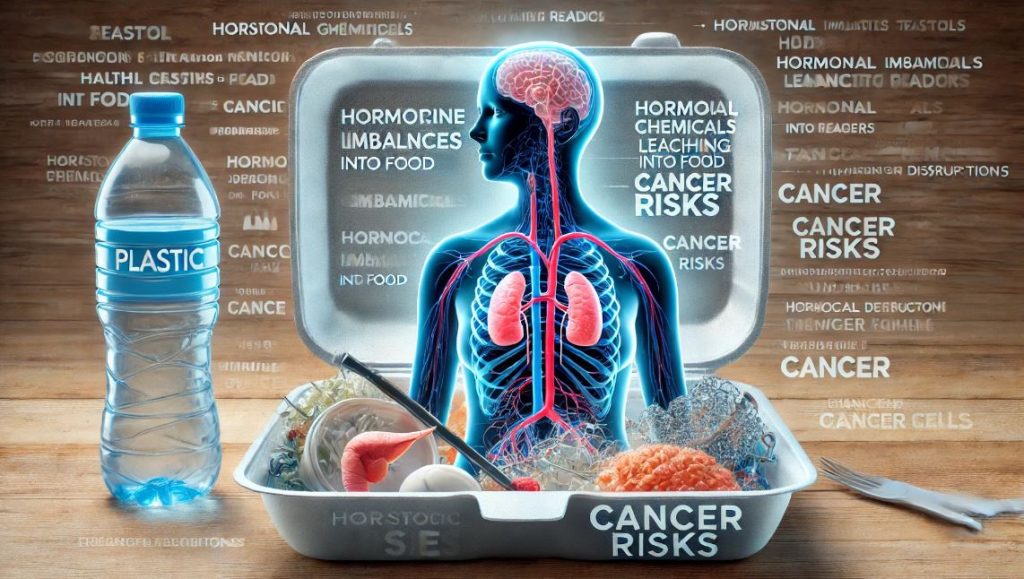
Plastic containers pose a significant risk to health over time. Their chemicals don’t cause immediate harm, but they act like a “slow poison.” The endocrine-disrupting chemicals in plastic accumulate in the body, leading to serious health issues.
Hormonal Imbalances: Studies show that exposure to plastic chemicals can cause hormonal imbalances, which may lead to infertility, early puberty, or metabolic disorders like obesity and diabetes.
Cancer Risk: Some plastic chemicals are linked to cancer. Though occasional exposure may seem harmless, repeated contact with plastic over the years can raise the risk.
As more research emerges, it’s clear that plastic in food storage is a public health crisis we can’t ignore.
5. What Can We Do?
Awareness about plastic’s dangers is increasing and it’s time for action. Both individuals and industries need to make changes. Here are some simple ways we can reduce plastic use:
Switch to Glass or Stainless Steel: Use glass or stainless steel containers instead of plastic. They’re safer and eco-friendly.
Advocate for Change: Support businesses and policies that reduce plastic use and promote recycling.
Reduce, Reuse, Recycle: Start reducing plastic consumption by reusing containers and recycling properly. This can help limit plastic waste.
Spread Awareness: Educate others about the dangers of plastic takeout containers and encourage them to make more sustainable choices.
6. Sustainable Substitutes for Plastic Containers
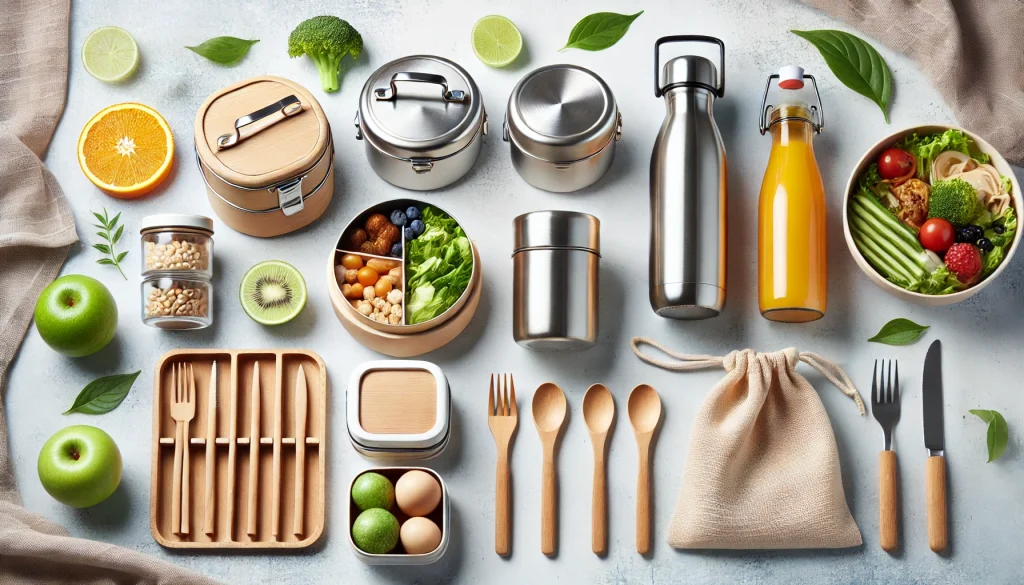
Thankfully, there are many eco-friendly alternatives to plastic. These options are safer for health and better for the planet:
Glass Containers: Glass is a great alternative. It doesn’t leach harmful chemicals, is easy to clean, and can be reused endlessly. It’s microwave-safe and perfect for storing both hot and cold food.
Stainless Steel Containers: Stainless steel is durable, non-toxic, and resistant to corrosion. Many sleek and stylish options are available, including ones with built-in compartments to keep food fresh.
Bamboo or Wooden Containers: Bamboo is renewable and biodegradable. It’s lightweight and sturdy, perfect for hot or cold foods. Bamboo containers come in various styles and sizes, making them a stylish and eco-friendly choice.
Beeswax Wraps: For those looking to avoid plastic entirely, beeswax wraps are an excellent option. Made from organic cotton infused with beeswax, these wraps are reusable, washable, and naturally anti-bacterial.
Silicone Food Storage Bags: Silicone is a durable, reusable material that can replace plastic bags. It doesn’t leach harmful chemicals and is both microwave and freezer-safe.
Edible Packaging: One innovative solution is edible packaging made from seaweed or rice. These biodegradable wraps dissolve in water and are completely safe to eat, offering a zero-waste alternative.
By switching to these alternatives, you can reduce plastic consumption and make a positive impact on both your health and the environment. Whether you’re cooking at home or grabbing takeout, these substitutes offer a sustainable option without compromising convenience.
Plastic takeout containers may seem harmless, but they come at a hidden cost to your health and the environment. The chemicals in plastic pose serious health risks, and the containers themselves contribute to pollution. By becoming aware of these dangers and making conscious choices, we can reduce our reliance on plastic, protect our health, and create a cleaner, safer planet for future generations.
