



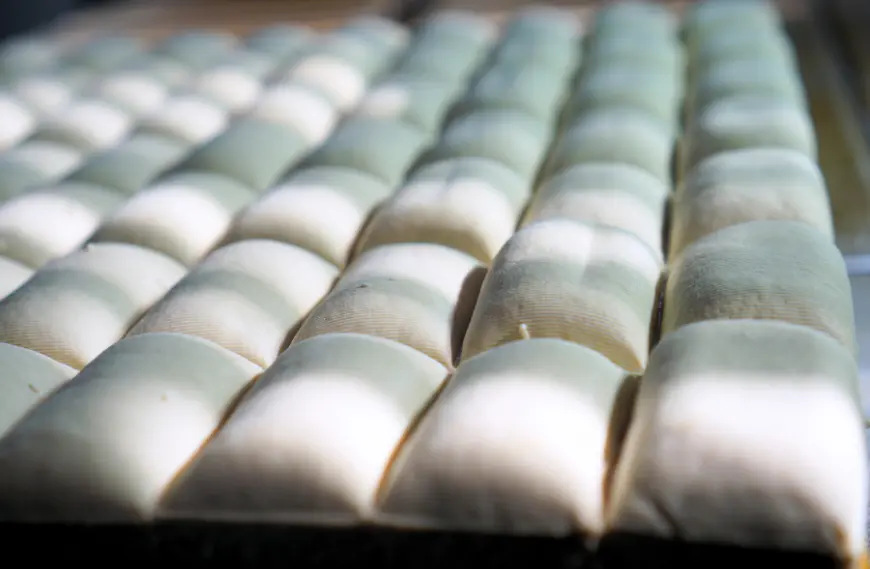
A shocking revelation has emerged from Karnataka, where food safety authorities tested 163 paneer samples, and only four were deemed safe for consumption. This raises serious concerns about food quality and public health.
Majority of samples found unsafe
Authorities conducted tests on paneer from various sources, including local markets and branded suppliers. Out of the 163 samples, an alarming number failed to meet safety standards. The presence of harmful chemicals, poor hygiene, and possible adulteration have been identified as key issues.
Health risks from contaminated paneer
Consumption of adulterated dairy products can lead to food poisoning, stomach infections, and long-term health complications. Experts warn that harmful substances like synthetic milk and starch in paneer can cause severe digestive issues and even organ damage in extreme cases.
How to identify fake paneer
Since contaminated paneer poses serious health risks, consumers must learn to differentiate between genuine and fake paneer:
Water Test – Drop a small piece of paneer into boiling water. If it melts quickly or turns into a powdery substance, it is likely adulterated.
Texture Check – Genuine paneer is soft yet firm, while fake paneer may feel too hard or rubbery due to added starch.
Iodine Test – Add a few drops of iodine solution to a paneer piece. If it turns blue, the paneer contains starch and is not pure.
Smell and Taste – Fresh paneer has a mild milky aroma and slightly sweet taste. If it smells sour or feels too chalky, it could be contaminated.
Oil Test – Rub a small portion of paneer between your fingers. If it leaves an oily residue, it may contain synthetic milk or harmful additives.
Authorities step up investigations
In response to these findings, officials have promised stricter inspections and penalties for violators. Consumers are urged to buy paneer from reliable sources and remain vigilant about food quality.
What consumers can do
To avoid health risks, buyers should check for freshness, avoid paneer with an unusual texture or smell, and prefer trusted brands. Boiling paneer before consumption can also reduce the risk of contamination.
This discovery highlights the urgent need for improved food safety regulations and consumer awareness. The government is expected to take further action to prevent such alarming lapses in food quality.
