



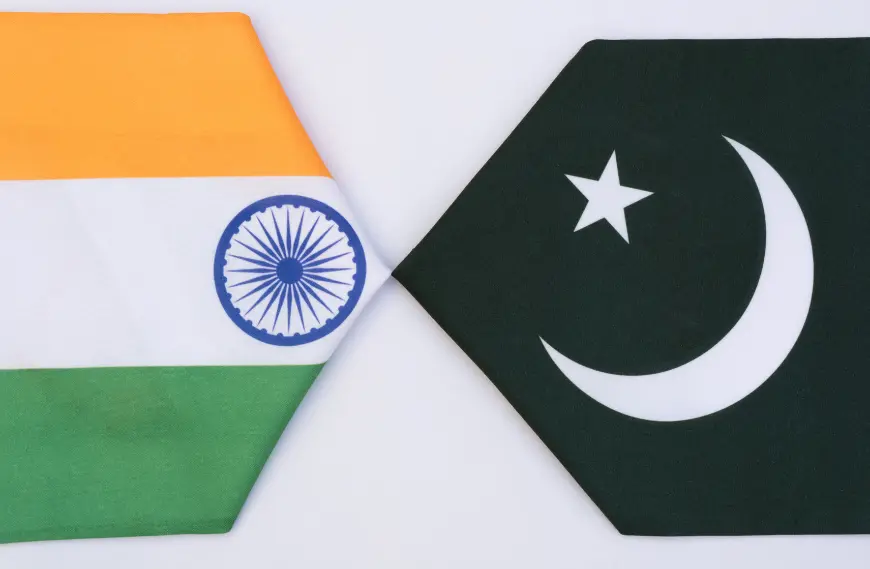
India has stepped up enforcement to block Pakistan-origin goods from entering its markets via third-country routes, such as the UAE and Singapore. This move plugs a significant trade loophole being exploited since the 2019 trade suspension.
Background: trade ban post-Pulwama
Following the Pulwama terror attack in 2019, India suspended bilateral trade with Pakistan. It also imposed 200% customs duty on goods originating from Pakistan. Direct trade came to a near halt.
However, Pakistan-based exporters found a backdoor. Goods like dates, textiles, spices, and cement were routed via third countries. They were often repackaged or relabelled to avoid detection.
New enforcement measures
Indian customs have now been directed to closely scrutinise certificates of origin. Any product found to be of Pakistan origin, even if shipped through another country, will not be allowed. Officials say this move is aimed at tightening national security and protecting domestic markets. The directive has already impacted the import of dry fruits and textiles routed via Dubai.
How the loophole worked
Importers used Free Trade Agreements (FTAs) with third countries. Goods would enter India claiming preferential treatment. Traders would present false documentation, avoiding the high tariffs on Pakistan goods. Authorities now suspect large-scale misuse of this route. This not only undermined the trade ban, but also resulted in revenue losses for India.
Impact on traders
Importers in Delhi, Mumbai, and Hyderabad are already facing delays. Shipments suspected of mislabelling are being held at ports. Customs has been instructed to use advanced tracking and verification tools. India’s Directorate General of Foreign Trade (DGFT) has also been asked to issue additional notifications to curb future misuse.
This move signals India’s zero-tolerance stance on backdoor trade. It may trigger diplomatic pushback, especially from trading hubs like the UAE, but India is firm on enforcing origin-based import rules.Analysts believe this could lead to a reduction in specific dry fruit imports, especially during the festive season, and a boost for local producers.
