 Deshwale
Bermuda Triangle Mystery: Unravelling the Enigma
In brief · AI summary The Bermuda Triangle, a region in the North Atlantic between Miami, Bermuda, and Puerto Rico, has long been linked to unexplained disappearances of ships and planes, including Flight 19 in 1945. Scientists attribute most of these incidents to human error, wild weather, rogue waves, gas bubbles, and tricky currents. The U.S. Coast Guard and Lloyd's of London agree that the area is not uniquely dangerous.
A sea that swallows secrets
Imagine sailing through a vast stretch of ocean where ships vanish and planes drop from the sky without a trace. That’s the Bermuda Triangle mystery, a region in the North Atlantic between Miami, Bermuda, and Puerto Rico. Spanning roughly 500,000 to 1.5 million square miles, this area has gripped people’s imaginations for decades with tales of unexplained disappearances. Is it aliens, ancient tech, or just nature playing tricks? Let’s dive into the stories, myths, and facts to uncover what’s really going on.
Where it all began
The Bermuda Triangle mystery kicked off in the 1950s. A 1950 article by Edward Van Winkle Jones in the Miami Herald first hinted at strange vanishings. Then, in 1952, George Sand’s piece in Fate magazine mapped out the triangle and listed cases like Flight 19. By 1964, Vincent Gaddis coined the term “Bermuda Triangle” in Argosy, sparking a frenzy. Books by Charles Berlitz and Richard Winer in the 1970s added fuel, blending spooky tales with real events. But were these stories overblown?
The big disappearances
Some real incidents keep the Triangle’s legend alive. Let’s look at the most famous ones.
Flight 19: The Lost Squadron
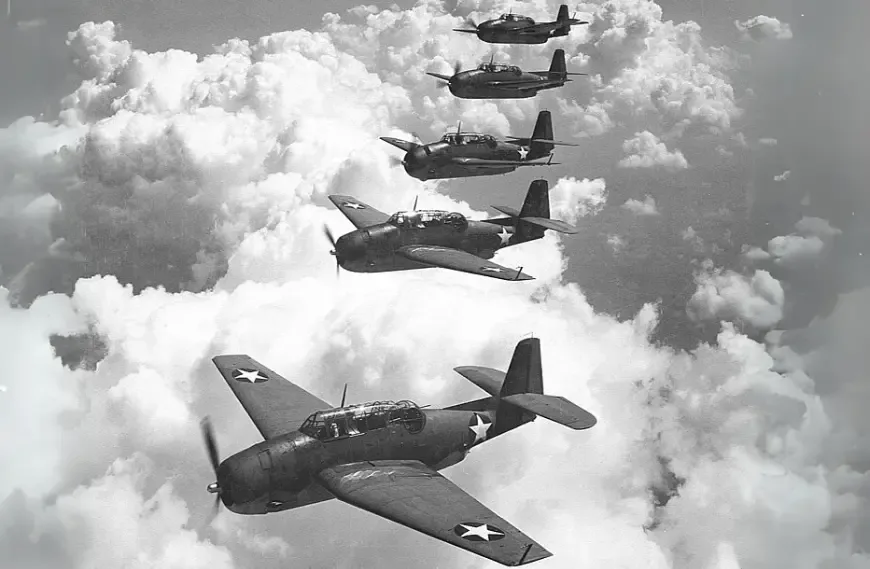
On 5 December 1945, five U.S. Navy bombers, known as Flight 19, took off from Florida for a training run. Led by Lieutenant Charles Taylor, the pilots got lost, radioing that their compasses were acting up and the ocean looked “wrong.” They never returned. A rescue plane sent after them also vanished, possibly due to a fuel leak explosion. The Navy blamed Taylor’s navigational errors, but the mystery lingers.
USS Cyclops: The Navy’s Biggest Loss
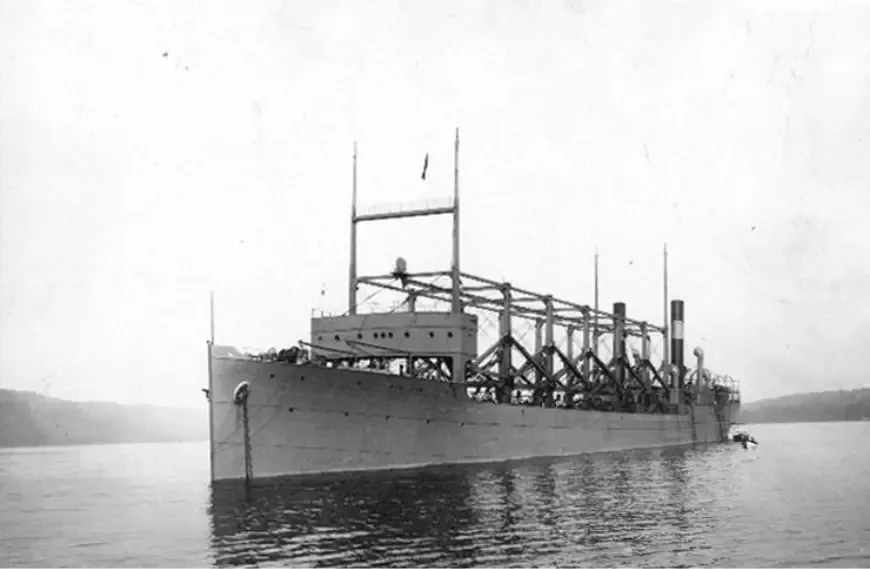
In March 1918, the USS Cyclops, a massive Navy ship with 306 crew, sailed from Barbados to Baltimore. It disappeared without a distress call. No wreckage was found. Some think it sank in a storm or broke apart from overloading. It’s still the U.S. Navy’s largest non-combat loss of life.
Carroll A. Deering: The Ghost Ship
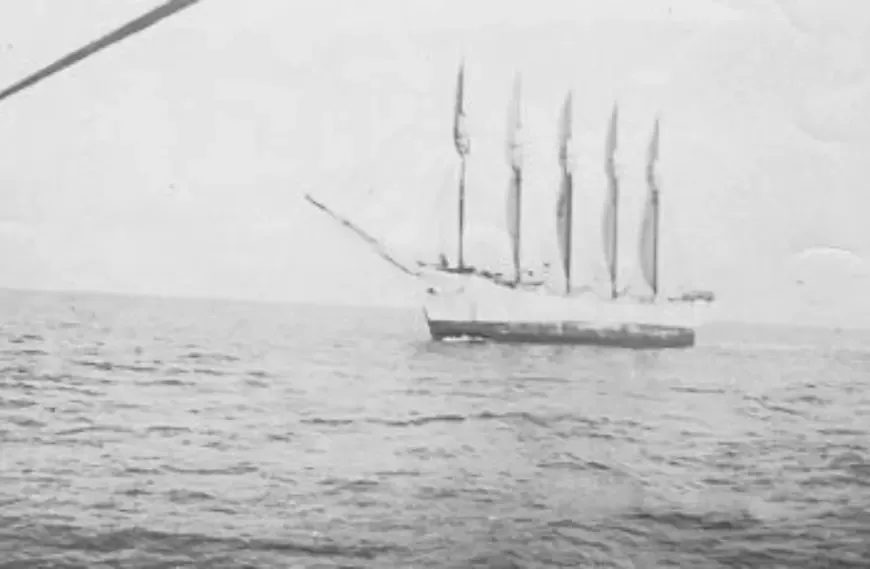
In January 1921, the schooner Carroll A. Deering was found abandoned off North Carolina. The crew, their belongings, and navigation gear were gone. The FBI looked into piracy and smuggling but found no answers. The ship’s eerie fate keeps it tied to the Triangle.
Star Tiger and Star Ariel: vanished planes
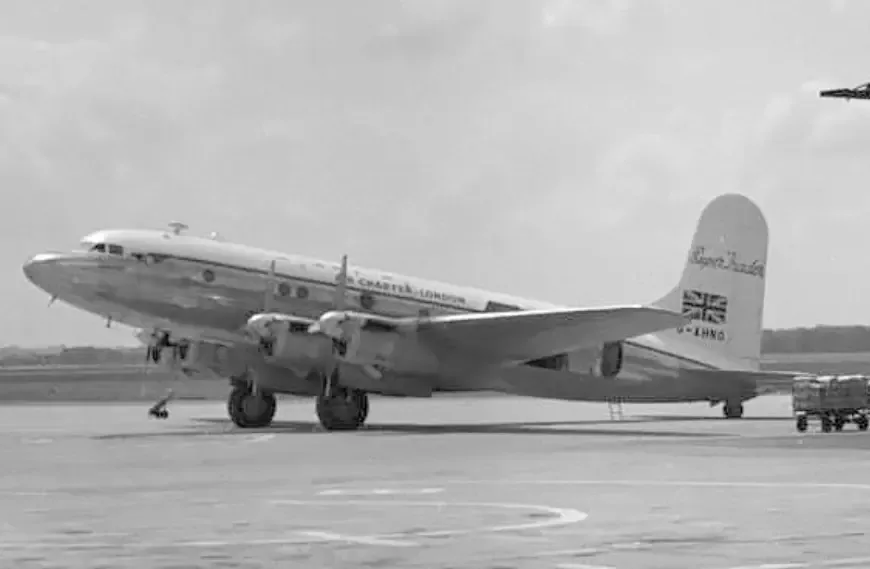
In 1948 and 1949, two British passenger planes, Star Tiger and Star Ariel, vanished in the Triangle. One was flying from the Azores to Bermuda, the other from Bermuda to Jamaica. Both were at their range limits, and experts suspect equipment failures or pilot errors. No wreckage ever turned up.
Connemara IV: swept away
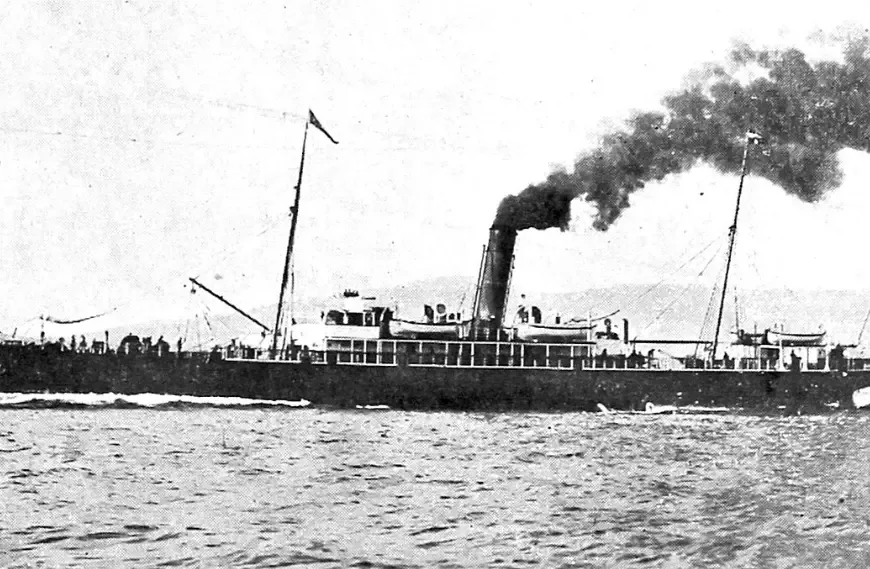
In 1955, the yacht Connemara IV was found drifting near Bermuda, empty. Some claimed the crew vanished mysteriously, but records show it broke free during Hurricane Janet. Nature, not the supernatural, was likely at play.
Wild theories and spooky tales
The Bermuda Triangle mystery has sparked some outlandish ideas. Charles Berlitz suggested the lost city of Atlantis, hidden under the sea, uses ancient tech to zap ships and planes. Others point to the Bimini Road, a rock formation off the Bahamas, as proof of Atlantis. Scientists say it’s just natural stone. Some folks swear aliens are snatching vessels, inspired by films like Close Encounters of the Third Kind. Then there’s talk of time warps, with pilot Bruce Gernon claiming a weird fog made his plane jump 100 miles in minutes. These stories are fun but lack solid proof.
What science says
Scientists aren’t buying the spooky stuff. They’ve got solid explanations for most disappearances.
Human mistakes
People mess up. In Flight 19, Lieutenant Taylor got confused and led his squadron astray. In 1958, yachtsman Harvey Conover sailed into a storm and lost his boat. Human error is a big factor.
Wild weather
The Triangle is a hotspot for hurricanes and sudden storms, driven by the Gulf Stream. These can sink ships or down planes, especially before modern weather tech existed. A 1986 shipwreck, the Pride of Baltimore, was hit by a freak wind burst.
Monster waves
Recent studies suggest rogue waves—huge, unexpected walls of water—could swallow ships whole. A 2018 documentary showed how storms in the Triangle might create these 100-foot beasts. Planes, though, aren’t affected by waves.
Gas bubbles
Some think methane gas bubbles from the ocean floor could reduce water density, sinking ships fast. Lab tests back this up, but the U.S. Geological Survey says no major gas releases have happened in the Triangle for 15,000 years.
Tricky currents
The Gulf Stream acts like a river in the ocean, dragging debris far from where ships or planes go down. This could explain why wreckage, like the Douglas DC-3 in 1948, is rarely found.
Debunking the myth
Skeptic Larry Kusche tore into the Bermuda Triangle mystery in his 1975 book, The Bermuda Triangle Mystery: Solved. He found many stories were exaggerated. For example, a ship Berlitz claimed vanished in the Triangle actually sank in the Pacific. Kusche also showed disappearances often happened in storms, not calm seas. The U.S. Coast Guard and Lloyd’s of London agree: the Triangle isn’t uniquely dangerous. A 2013 study by the World Wide Fund for Nature didn’t list it among the world’s riskiest waters. Even the U.S. Navy says it’s not a special zone.
Why we’re hooked
The Triangle’s pull comes from mixing real tragedies with wild fiction. Berlitz’s book sold 20 million copies, cementing the mystery in pop culture. Shakespeare’s The Tempest might even draw from a 1609 Bermuda shipwreck. Movies and TV keep the story alive, feeding our love for the unknown. Who doesn’t want to believe in a sea that hides secrets?
What’s happening now
Recent cases, like a 2015 cargo ship lost in a hurricane, get linked to the Triangle, but nature’s usually the culprit. In 2016, underwater craters off Norway sparked methane bubble theories, but scientists said they’re unrelated. Studies on rogue waves and compass quirks offer answers, yet no single idea explains everything. The mystery endures because we love a good puzzle, even if science says it’s not that special.
The real story
The Bermuda Triangle mystery is more myth than magic. Real tragedies, like Flight 19 and the USS Cyclops, happened, but storms, currents, and human slip-ups explain most of them. Kusche and scientists have shown the Triangle isn’t a death trap—it’s just a busy patch of ocean. Still, its grip on our imagination won’t let go. As we learn more, the mystery might fade, but its place in our stories is here to stay.