 Deshwale
Boeing 787 Crashed in Ahmedabad Had Technical Issues Through Its Service Life, US Safety Group Claims
In brief · AI summary A US-based safety group, the Foundation for Aviation Safety, has told the US Senate that the Boeing 787 that crashed in Ahmedabad, registered VT-ANB, had recurring electrical, software and other technical faults throughout its service life. The group said these issues stemmed from engineering, manufacturing, maintenance and quality-control shortcomings and urged investigators to consider them alongside pilot actions. Boeing deferred comment to India's Aircraft Accident Investigation Bureau, while the Civil Aviation Ministry and Air India did not respond.
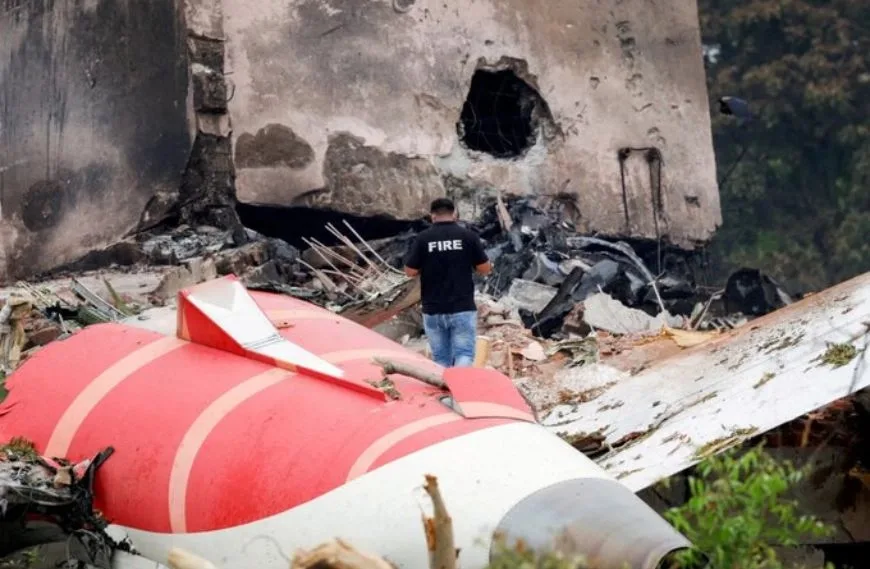
A US-based aviation safety organisation has raised concerns over the Boeing 787 aircraft that crashed in Ahmedabad, alleging that the plane experienced recurring technical faults throughout its operational life. The Foundation for Aviation Safety (FAS) submitted a detailed report to the US Senate, highlighting system failures dating back to the aircraft’s first day with Air India.
According to FAS, the aircraft, registered VT-ANB, suffered from repeated electrical and software malfunctions, wiring damage, circuit breaker trips, power outages, and overheating of key components. The group suggested that these issues stemmed from a combination of engineering, manufacturing, maintenance, and quality-control shortcomings.
The foundation drew comparisons with the early investigations into the Boeing 737 MAX crashes, noting that preliminary reports emphasizing pilot error may overlook longstanding mechanical and systemic issues. FAS also analysed over 2,000 system failure reports from Boeing 787s worldwide, covering roughly 18% of the global fleet, and claimed these incidents represent only the tip of the iceberg.
The aircraft in question was manufactured in 2011, entered commercial service in February 2014, and remained in operation for 11 years. FAS cited several incidents during its service, including a fire in the primary power panel in January 2022 and faults in the landing gear indication system in April 2022, which required the replacement of multiple critical components.
Boeing has deferred comment, directing inquiries to India’s Aircraft Accident Investigation Bureau (AAIB), while the Civil Aviation Ministry and Air India declined to respond. The group urged investigators to consider these historical technical faults alongside pilot actions to ensure a comprehensive understanding of the crash.
FAS emphasised that similar electrical system failures have been observed in other Boeing 787s operated by Air India and international carriers in the US, Canada, and Australia, suggesting broader safety implications for the aircraft type.
Subscribe Deshwale on YouTube