 Deshwale
The Fall of a Dream: The Boeing 787’s Shattered Legacy in Ahmedabad
In brief · AI summary Air India Flight AI171, a Boeing 787 Dreamliner bound for London, crashed into a medical college hostel in Ahmedabad on Thursday, 12 June 2025, shortly after takeoff from Sardar Vallabhbhai Patel International Airport. The death toll was initially reported as 294 and later revised to 269, and only one person, Vishwash Kumar Ramesh, survived. India's Aircraft Accident Investigation Bureau, together with Boeing and the US National Transportation Safety Board, is investigating the cause, and the black box was recovered on 13 June.
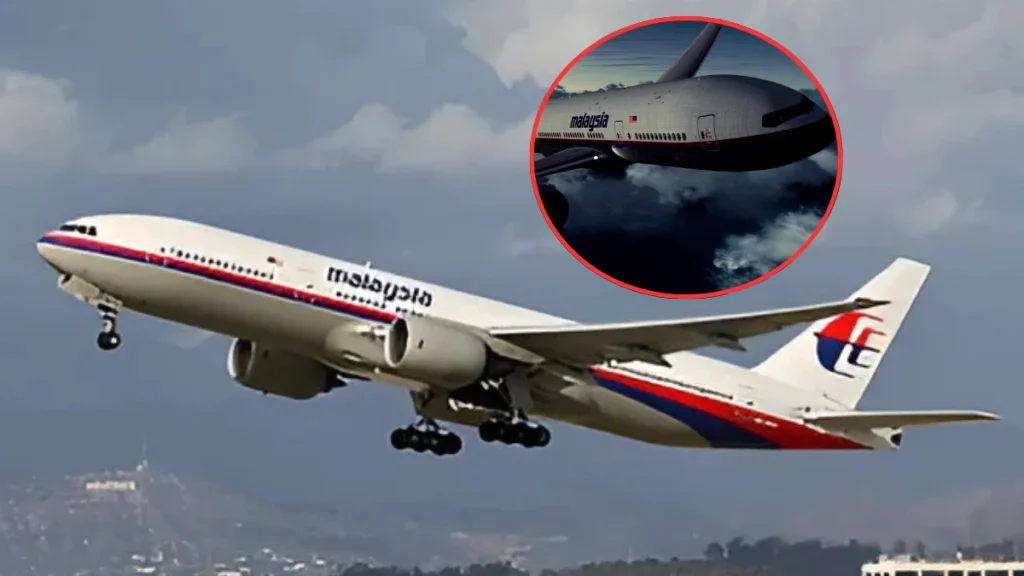
The Boeing 787 Dreamliner soars above India’s vibrant cities, a marvel of modern engineering. Its sleek carbon-fibre body gleams under the sun, promising efficiency and safety. For over a decade, it flew without a single fatal crash, a beacon of trust in the skies. Yet, on Thursday, 12 June 2025, this symbol of innovation plummeted into Ahmedabad’s heart, claiming over 240 lives. Air India Flight AI171, bound for London, became the Dreamliner’s first fatal tragedy. In India, where aviation fuels dreams of progress, this crash shook the nation. What does it mean when a celebrated plane fails? How does its fall ripple through a country soaring toward modernity? This is not just a magic trick; it’s a reflection on trust, ambition, and the fragile line between triumph and tragedy.
The Dreamliner was born to redefine flight. Introduced in 2011 by Boeing, it promised fuel efficiency and passenger comfort. Its composite fuselage, lighter than traditional metal, cut fuel use by 20%. Larger windows and mood lighting eased long journeys. Air India, embracing this marvel, flew 34 Dreamliners by 2025, per Cirium data. The plane’s range, up to 13,530 km, linked Delhi to New York, Mumbai to Sydney. In India, where distances are vast and aspirations vaster, the 787 became a lifeline. It carried families to reunions, students to universities, and executives to global deals. Its safety record was flawless, with over 1,100 Dreamliners worldwide logging millions of hours without a fatal incident, per Boeing’s 2025 safety report. Until Ahmedabad, it was the plane that never failed.
The crash of Flight AI171 was a wound to India’s soul. The Boeing 787-8, registered VT-ANB, took off from Sardar Vallabhbhai Patel International Airport at 1:38 pm. Moments later, it issued a “Mayday” call, unanswered by air traffic control. The plane, carrying 230 passengers and 12 crew, slammed into a medical college hostel in Meghaninagar. Flames erupted, smoke choking the sky. Only one survivor, Vishwash Kumar Ramesh, a British-Indian, emerged from the wreckage near an emergency exit, per Reuters. The death toll, initially reported as 294, was revised to 269, including five medical students, per The New York Times. The tragedy struck Gujarat, Prime Minister Narendra Modi’s home state, amplifying its emotional weight. Modi called it “heartbreaking beyond words” on X.
What made this crash so shocking? The Dreamliner’s safety record was its crown. Unlike Boeing’s 737 MAX, tainted by fatal crashes in 2018 and 2019, the 787 had dodged such scars. Experts like John Cox, a former pilot, noted its robust design, with redundancies to prevent single failures, per The New York Times. Yet, video footage showed the plane descending nose-up, landing gear down, an odd posture for takeoff, per Reuters. Was it pilot error, mechanical failure, or something else? The black box, recovered on 13 June, holds clues, per The Guardian. India’s Aircraft Accident Investigation Bureau, with Boeing and the US National Transportation Safety Board, now probes the cause. Answers may take months, but the questions burn now.
India’s relationship with aviation is unique. Air travel is not just transport; it’s a symbol of progress. Since JRD Tata flew the first airmail in 1932, aviation has woven India’s diverse tapestry closer. Air India, reborn under Tata Group in 2022, aimed to rival global carriers. Its 787 fleet, including the crashed VT-ANB, delivered in 2014, was central to this vision. With 41,000 flight hours and 8,000 cycles, it was a workhorse, not a relic, per Cirium. Yet, the crash exposed vulnerabilities. India’s airports, like Ahmedabad’s, handle surging traffic—1,500 daily flights pre-Covid, per DGCA. Monsoons, fog, and congested skies test pilots daily. The 2020 Kozhikode crash, killing 21, highlighted runway risks. Could Ahmedabad’s “table-top” runway have played a role?
The Dreamliner’s fall also casts a shadow on Boeing. The company, once a titan, has stumbled. The 737 MAX crashes, killing 346, exposed software flaws and lax oversight. Whistleblowers like Sam Salehpour, in 2024, alleged fuselage gaps in 787s could cause fatigue over time, per CNBC. Boeing denied immediate risks, but deliveries halted in 2020–2022 for fixes. John Barnett, another whistleblower, claimed shoddy practices at the 787’s South Carolina plant before his death in 2024, per The New York Times. These red flags, though not directly tied to AI171, fuel doubt. Boeing’s shares fell 5% post-crash, per Reuters. In India, where trust in institutions is hard-earned, such lapses sting deeply.
For Indian passengers, the Dreamliner was more than a plane. It was a promise. Its large windows framed views of the Ganges at 30,000 feet. Its quiet cabin hushed the chaos of Delhi’s streets. Families boarding in Ahmedabad trusted it to carry them safely to London’s embrace. The crash shattered that trust. Social media erupted, with posts on X questioning Boeing’s quality and speculating on sabotage, though unproven. One user, @IntelTrackerIN, noted dual engine failure’s rarity—1 in 10 million hours. Yet, the plane’s GEnx engines, built by GE Aerospace, had faced icing issues in 2013, per CNBC TV18. Was this a freak failure or a deeper flaw? The investigation will tell.
The human cost haunts most. The hostel, home to medical students, was a cradle of India’s future. Students eating lunch—lentils, cabbage, bread—faced a fireball, per The New York Times. Survivor Vishwash Ramesh, speaking to his brother in Leicester, couldn’t explain his survival, per Reuters. Families in Gujarat and beyond mourned, their grief echoing India’s collective loss. The crash, India’s deadliest since 1996, stirred memories of past tragedies, like the 1988 Ahmedabad crash killing 133. Yet, this was different. The Dreamliner was meant to be infallible. Its fall feels like a betrayal, not just of technology but of hope.
Pilots, too, carry this weight. Indian pilots, like Captain Sumit Sabharwal and co-pilot Clive Kunder, navigate unique challenges. Monsoons demand precision; crowded airspace tests focus. Training at academies like Raebareli’s is rigorous, costing ₹30–40 lakh, per DGCA. Yet, no training prepares for a plane’s sudden descent. The “Mayday” call suggests the crew fought to the end. Their story, like the black box, awaits its telling. In India, pilots are heroes, carrying 1.2 million passengers daily, per 2024 aviation data. This crash tests their resilience, reminding us of their humanity.
The Dreamliner’s legacy now hangs in balance. Its fuel efficiency and range changed aviation, but Ahmedabad marks a scar. Boeing faces scrutiny, with CEO Kelly Ortberg pledging support, per CNBC. Air India grounded its 787 fleet, a cautious move. India’s aviation, set to be the world’s third-largest by 2030, per IATA, must rebuild trust. Passengers will board again, but with hesitation. The crash, like a monsoon storm, exposed cracks in a system strained by growth. Airports need upgrades; oversight must tighten. India’s dreams of global connectivity depend on it.
The sky over Ahmedabad is quiet now. The wreckage, cleared by firefighters, leaves a void. The Dreamliner, once a symbol of progress, is now a question mark. Its fall reminds us that even marvels can fail. Yet, India’s spirit endures. From the ashes of tragedy, the nation will rise, as it always has. Next time you fly, look out the window. See the land below—rivers, fields, dreams. The sky is still ours, but it demands respect. The Dreamliner’s story, like India’s, is not over. It’s a chapter, written in courage, loss, and hope.