 Deshwale
BSF Announces Changes to Border Retreat Ceremonies After Pahalgam Terror Attack
In brief · AI summary The BSF has scaled down its border retreat ceremonies at Attari, Hussainiwala, and Sadki following the Pahalgam terror attack, dropping the customary handshake between guard commanders and keeping the gates closed during the retreat. The move comes alongside India's closure of the Integrated Check Post at Attari and its order for Pakistani nationals to leave India by April 27.
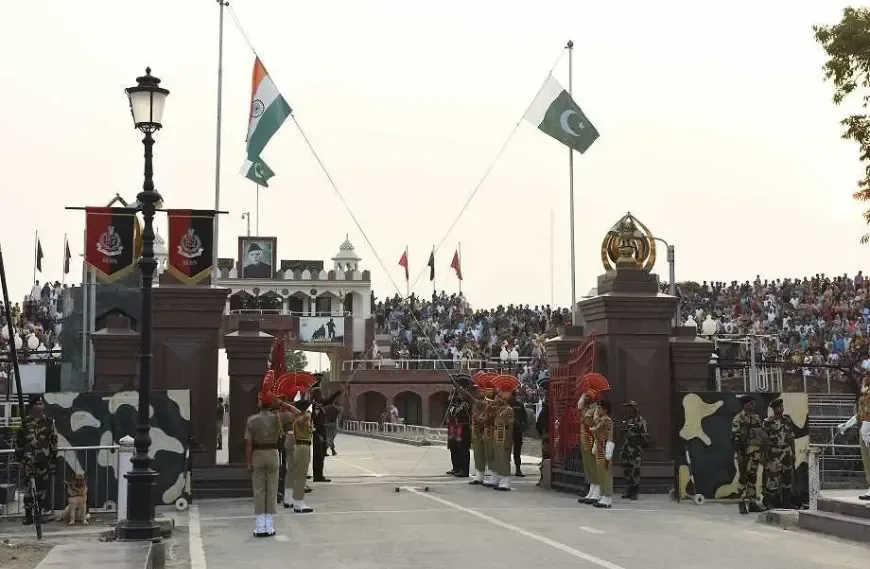
In a significant move following the recent terror attack in Pahalgam, the Border Security Force (BSF) has decided to scale down the traditional border retreat ceremonies at Attari, Hussainiwala, and Sadki. The announcement, made on Thursday, reveals that while the ceremonies will still take place, certain symbolic aspects will be altered to reflect India’s serious stance on cross-border hostilities.
The BSF’s statement on X explained that the ceremony will now exclude the customary handshake between the Indian Guard Commander and their Pakistani counterpart. Additionally, the gates will remain closed during the retreat, underscoring India’s determination to send a strong message regarding peace and provocations. These changes are seen as a response to the growing concerns over security following the attack in Pahalgam, which left several civilians dead.
The announcement also followed India’s decision to close the Integrated Check Post (ICP) at the Attari border. This action comes as part of a broader series of measures in response to the Pahalgam attack, which also included asking all Pakistani nationals to leave India by April 27. Pakistani nationals on medical visas have been given an extension until April 29 to depart.
The border retreat ceremony at Attari, one of the most well-known ceremonies between India and Pakistan, has been a daily ritual since 1959. Known for its energetic marches, high kicks, and the lowering of flags before sunset, the ceremony attracts tens of thousands of spectators. Historically, in 2010, the ceremony was softened to reduce tensions, with handshakes and the exchange of sweets during festivals like Eid and Diwali. However, the recent changes reflect a shift in tone, with greater emphasis on security and the seriousness of the current diplomatic climate.
While the Attari border remains the focal point for the ceremony, similar events also take place at Hussainiwala and Sadki in Punjab. However, the Attari ceremony holds the most significance and attention.